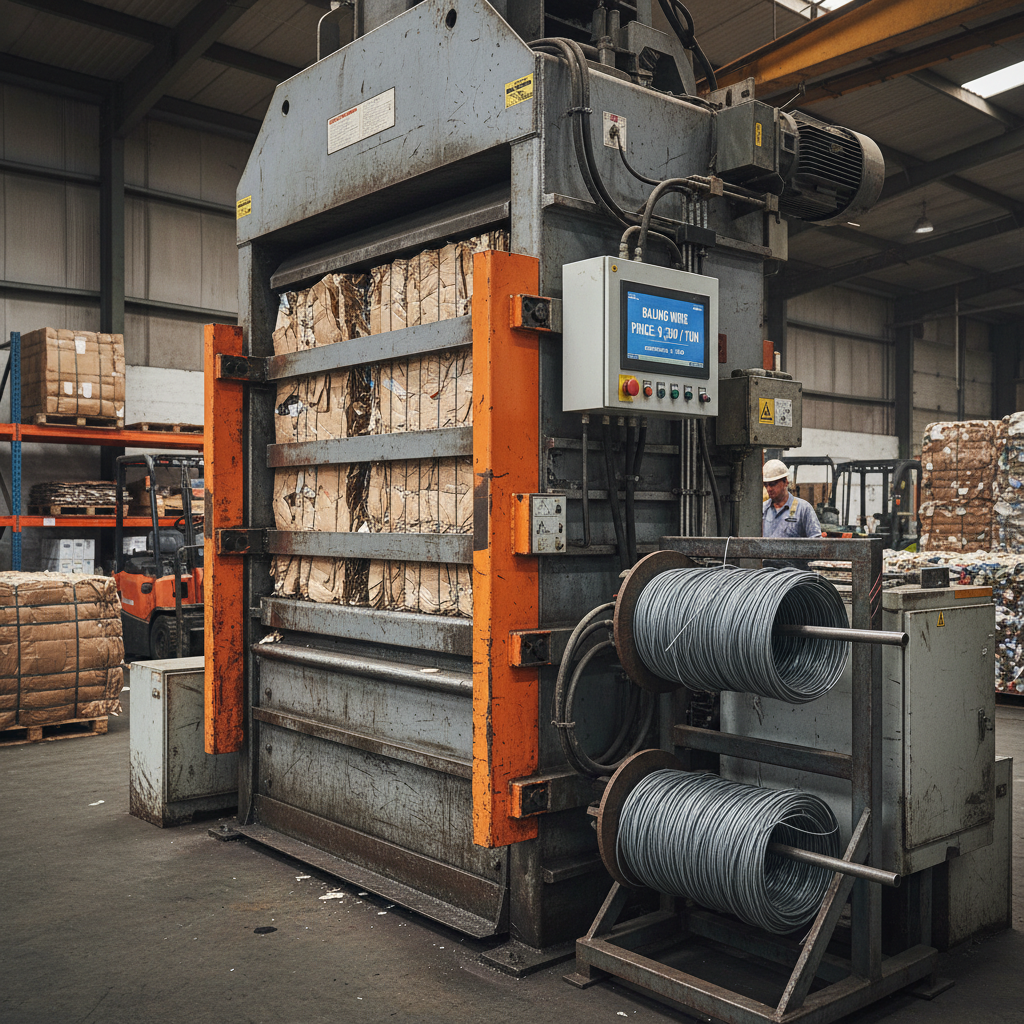
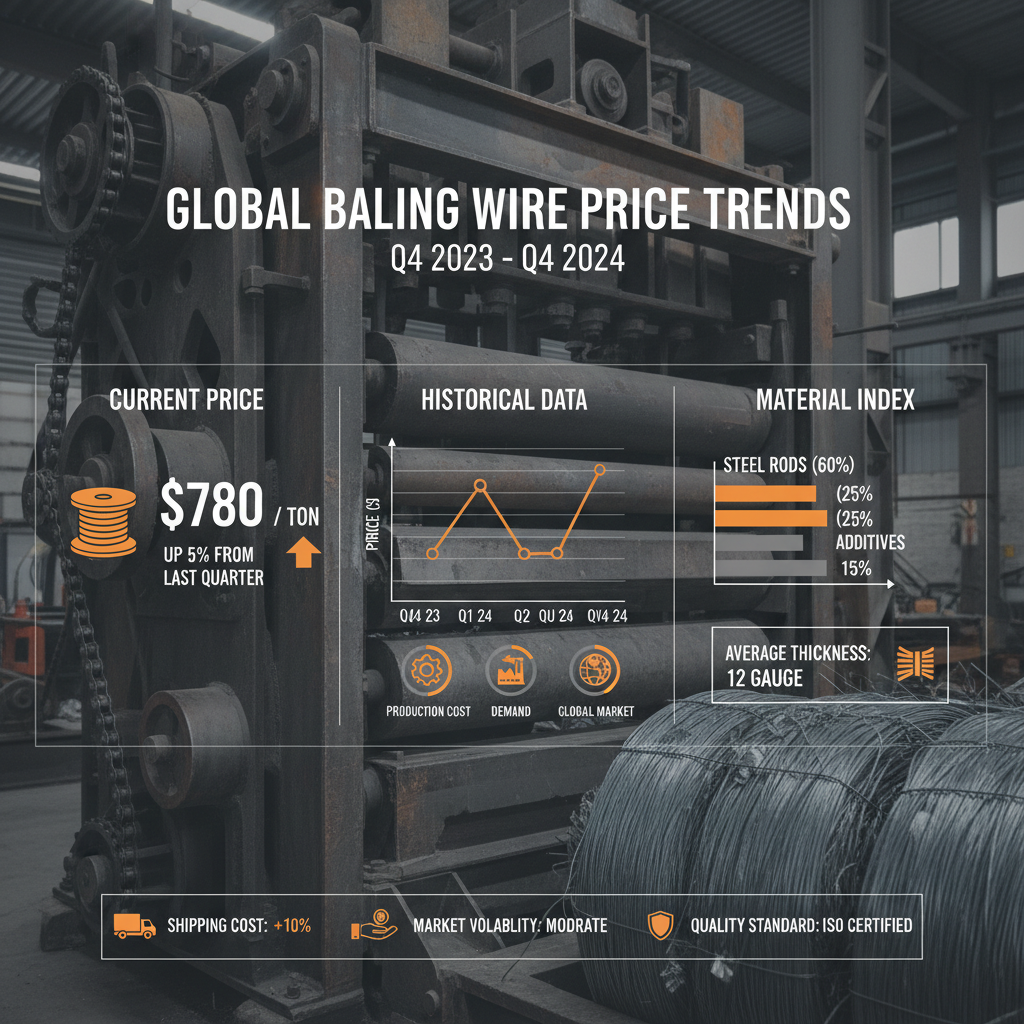
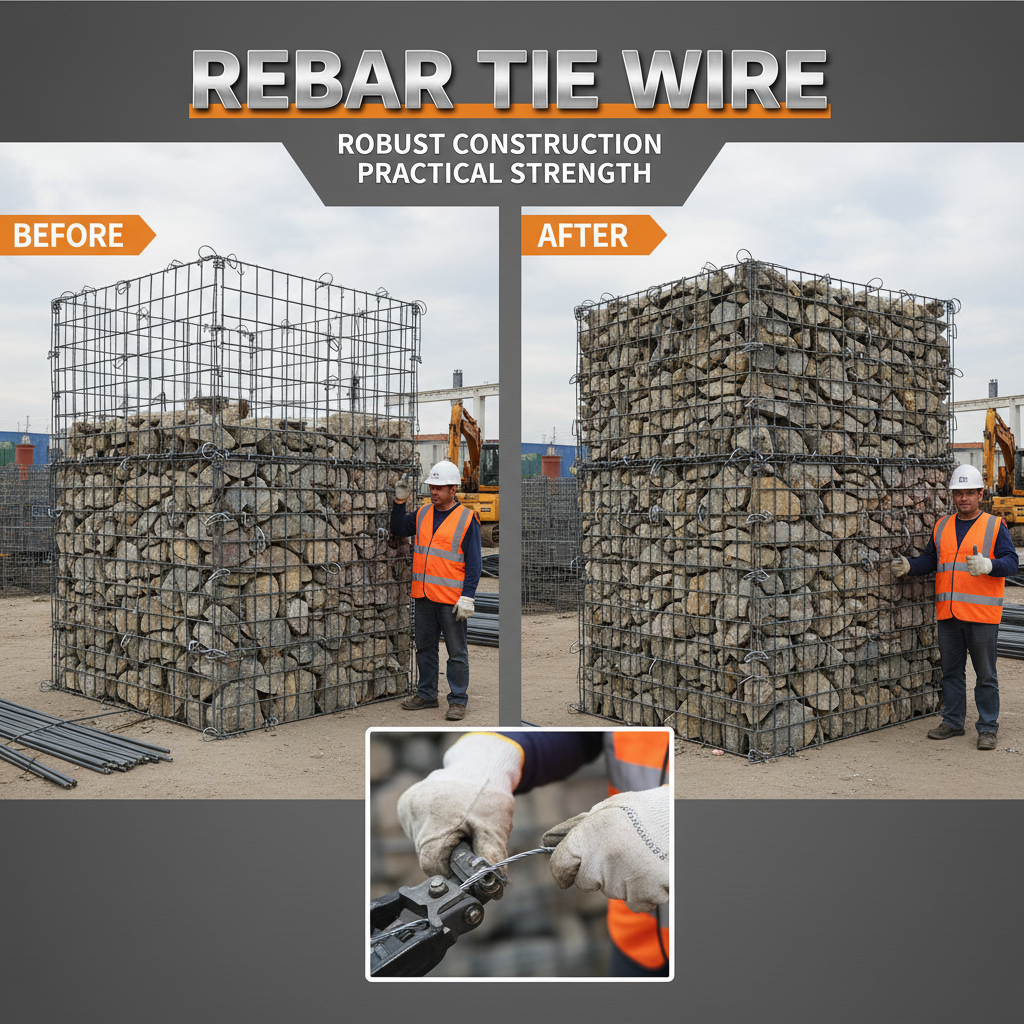
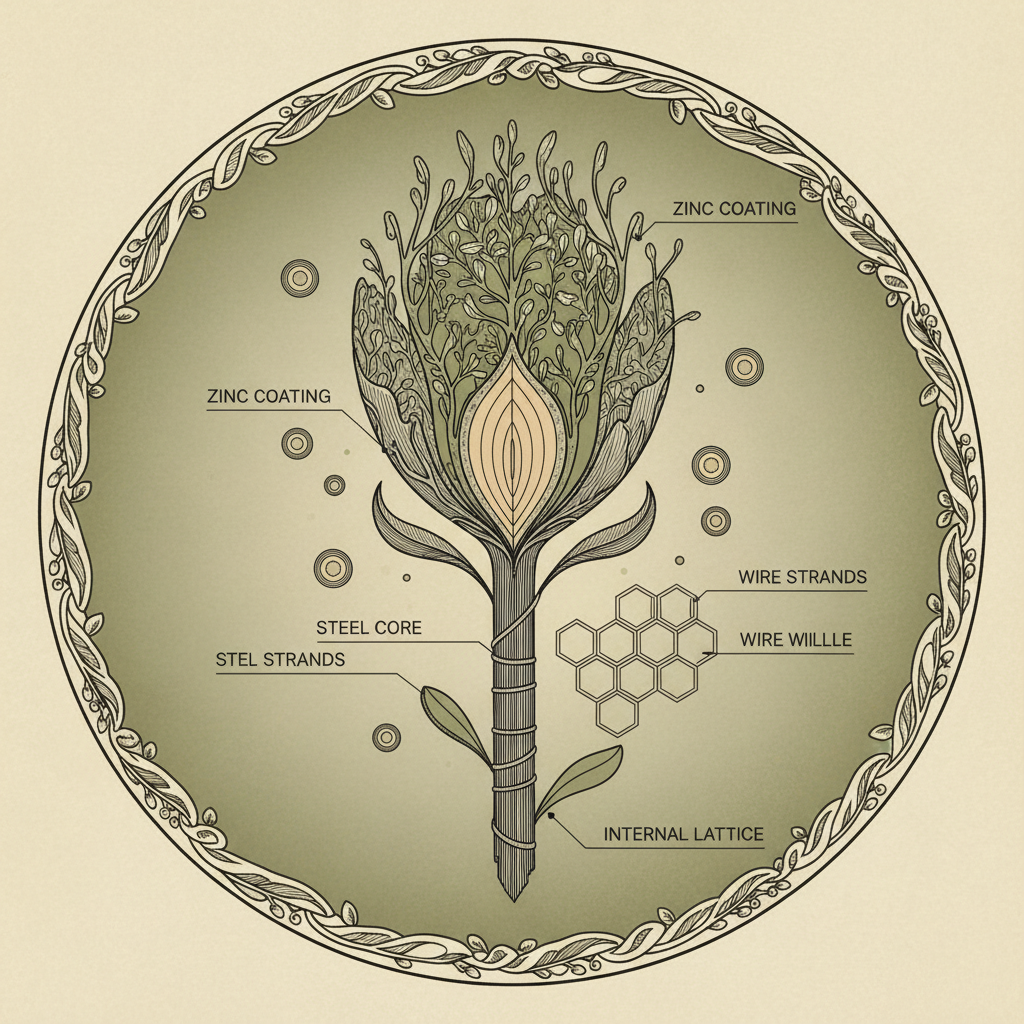
Baling wire price is a crucial factor in numerous industries, impacting operational costs and overall efficiency. From agricultural sectors needing to bundle hay and straw to recycling facilities processing scrap metal, the affordability and quality of baling wire directly influence profitability. Understanding the dynamics of baling wire price isn’t just about procurement; it's about optimizing processes, ensuring worker safety, and contributing to sustainable practices. The fluctuating costs of raw materials, manufacturing processes, and global supply chain dynamics all play a significant role in determining the final baling wire price.
The global demand for baling wire is consistently driven by the need for efficient waste management and agricultural practices. Developed nations focus on recycling initiatives, increasing the need for robust and cost-effective baling solutions. Simultaneously, developing economies rely on baling wire for agricultural purposes, solidifying its importance in food production and storage. According to data from the ISO, effective waste management and agricultural efficiency, both reliant on affordable baling solutions, are key indicators of sustainable economic growth.
Beyond economic implications, the baling wire price significantly affects humanitarian efforts. In disaster relief operations, baling wire is often used for creating temporary shelters and securing essential supplies. Access to affordable, high-quality baling wire ensures aid organizations can effectively respond to emergencies and provide vital support to affected communities. Therefore, monitoring and understanding the factors influencing baling wire price is not simply a matter of business, but also a consideration of global well-being.
Introduction to baling wire price
The price of baling wire isn’t a static figure; it's a dynamic value influenced by a complex interplay of factors. These factors range from the cost of raw steel and zinc to the manufacturing processes employed and the prevailing market conditions. Understanding these variables is critical for businesses seeking to manage their operational budgets effectively and secure the best possible value when purchasing baling wire. baling wire price fluctuations can significantly impact the bottom line.
Effective baling wire price management goes beyond simply finding the lowest price. It involves considering the wire’s tensile strength, corrosion resistance, and compatibility with the baling equipment being used. Investing in higher-quality baling wire, even at a slightly higher initial price, can often lead to long-term cost savings through reduced downtime, fewer wire breaks, and increased bale density.
Defining Baling Wire Price
Baling wire price refers to the cost per unit weight (typically per ton or per pound) of wire specifically designed for use in baling presses. This wire is used to compress recyclable materials like cardboard, plastic, aluminum, and agricultural products into dense bales for efficient storage and transportation. The price is determined by the inherent cost of the materials used in its construction – primarily steel – as well as the zinc coating applied for corrosion resistance.
The connection to modern industry is direct. Efficient recycling and waste management are cornerstones of sustainable industrial practices. Baling wire facilitates these processes, enabling businesses to reduce landfill waste and recover valuable resources. The price of baling wire, therefore, impacts the economic viability of recycling operations.
In humanitarian contexts, baling wire’s affordability is crucial. Relief organizations often use it for constructing temporary shelters and securing emergency supplies. A lower baling wire price allows these organizations to allocate more resources to direct aid, maximizing their impact in crisis situations.
Key Factors Influencing baling wire price
Several key factors influence the baling wire price. First, the cost of raw materials, primarily steel, is a major determinant. Global steel prices fluctuate based on supply and demand, geopolitical events, and energy costs. Secondly, the thickness (gauge) of the wire significantly impacts the price; thicker wire is more expensive but offers greater strength and durability.
Thirdly, the zinc coating level plays a crucial role. Higher zinc content provides enhanced corrosion resistance, which is essential for outdoor applications or environments with high humidity, but adds to the manufacturing cost. Fourth, the quantity purchased affects the price; bulk orders typically receive discounted rates. Finally, transportation costs and supplier margins also contribute to the final baling wire price.
These factors are interconnected. For example, rising steel prices necessitate adjustments to the baling wire price, potentially influencing businesses to seek alternative wire gauges or negotiate better bulk discounts. Understanding these dynamics empowers informed procurement decisions.
Global Applications of Baling Wire
Baling wire finds extensive application across diverse global industries. In agriculture, it’s vital for bundling hay, straw, and silage for livestock feed, particularly in regions like the American Midwest and parts of Europe. Recycling facilities worldwide rely on baling wire to compress materials like cardboard, plastic, and aluminum cans, reducing volume for efficient transportation to processing plants.
The waste management sector in urban centers across North America, Europe, and Asia heavily utilizes baling wire to manage municipal solid waste. Moreover, in developing nations, baling wire is increasingly used in informal recycling sectors, providing livelihood opportunities and promoting resource recovery.
In post-disaster relief operations, baling wire serves as a versatile material for constructing temporary shelters, securing tarpaulins, and reinforcing damaged structures, proving invaluable in humanitarian crises across affected regions like Southeast Asia and Africa.
Baling Wire Price Comparison by Type
Advantages of Optimizing baling wire price
Optimizing baling wire price offers several tangible benefits. Lower procurement costs directly improve profitability, especially for high-volume users like large recycling facilities and agricultural operations. Furthermore, selecting the appropriate wire gauge and coating ensures optimal bale density, reducing transportation costs and maximizing storage efficiency.
Beyond cost savings, using high-quality baling wire enhances worker safety. Reduced wire breakage minimizes the risk of injuries during baling operations. Moreover, sustainable sourcing of baling wire, including recycled content, promotes environmental responsibility and enhances a company’s brand image. baling wire price should factor in sustainability.
Future Trends in Baling Wire
The future of baling wire is likely to be shaped by several emerging trends. Increasing demand for recycled materials will drive innovation in wire manufacturing, with a greater focus on using recycled steel and developing more sustainable coatings. Automation in baling processes may also influence wire design, potentially leading to specialized wire types optimized for robotic systems.
Digitalization will play a role, with the integration of IoT sensors in baling presses to monitor wire tension and predict breakage, enabling proactive maintenance and reducing downtime. Furthermore, government regulations promoting circular economy principles will likely incentivize the use of eco-friendly baling wire solutions.
Challenges and Solutions in Baling Wire Procurement
One common challenge is price volatility due to fluctuations in steel and zinc markets. Solutions include establishing long-term contracts with suppliers to secure stable pricing and diversifying the supply base to mitigate risk. Another challenge is ensuring consistent wire quality, as inconsistencies can lead to downtime and operational inefficiencies.
To address this, rigorous quality control measures and supplier audits are essential. Furthermore, navigating complex import/export regulations and tariffs can be challenging, particularly for international procurement. Partnering with experienced logistics providers and customs brokers can streamline this process.
Finally, balancing cost with sustainability is a key challenge. While recycled wire may be more expensive, its environmental benefits can outweigh the price premium in the long run. A thorough life cycle cost analysis is crucial when making procurement decisions.
Summary of Challenges and Solutions for Effective Baling Wire Procurement
| Challenge |
Impact on Baling Wire Price |
Solution |
Implementation Cost (1-10) |
| Steel & Zinc Price Volatility |
Directly increases baling wire price |
Long-term contracts, supplier diversification |
5 |
| Inconsistent Wire Quality |
Downtime, operational inefficiencies, increased cost |
Rigorous QC, supplier audits |
7 |
| Import/Export Regulations |
Increased costs, delays |
Experienced logistics partners |
6 |
| Balancing Cost & Sustainability |
Potential for higher upfront cost |
Life cycle cost analysis |
3 |
| Supply Chain Disruptions |
Limited availability, price spikes |
Maintain safety stock, dual sourcing |
4 |
| Lack of Market Transparency |
Difficulty in comparing prices |
Utilize price comparison platforms |
2 |
FAQS
Several factors contribute to baling wire price fluctuations. The primary driver is the cost of raw steel, which is affected by global market conditions, supply and demand, and geopolitical events. Zinc prices also play a role, as it's used for corrosion resistance. Manufacturing costs, transportation expenses, and supplier margins also contribute to the final price.
Businesses can mitigate price volatility by establishing long-term contracts with suppliers to secure stable pricing. Diversifying the supply base can also reduce risk. Additionally, exploring bulk purchasing options often results in discounted rates. Careful inventory management and exploring alternative wire gauges or materials can further help manage costs.
While a higher-quality baling wire may have a higher upfront cost, it can deliver long-term benefits. Increased tensile strength reduces wire breakage, minimizing downtime and maximizing bale density. Better corrosion resistance prolongs the wire's lifespan, and enhanced safety features protect workers. These advantages often translate into overall cost savings.
Yes, there is a considerable price difference. Stainless steel baling wire is the most expensive due to its superior corrosion resistance and durability. Galvanized wire offers a good balance of price and performance. Standard steel wire is the least expensive but offers limited corrosion protection. The appropriate choice depends on the application and environmental conditions.
The gauge of baling wire directly impacts its strength and price. Thicker wire (lower gauge number) is stronger and can handle heavier loads, but it’s also more expensive. A thinner wire (higher gauge number) is cheaper but may break more easily, leading to downtime and inefficiencies. Selecting the appropriate gauge for the specific baling application is crucial.
Yes, there's a growing market for baling wire made from recycled steel, reducing the environmental impact. Some manufacturers are also exploring alternative coatings to zinc for improved sustainability. Choosing these options aligns with circular economy principles and demonstrates environmental responsibility, although they may come at a slight price premium.
Conclusion
Understanding the factors influencing baling wire price is paramount for efficient operations across diverse industries. From raw material costs and manufacturing processes to global supply chain dynamics and evolving sustainability concerns, a holistic perspective is crucial. Proactive procurement strategies, including long-term contracts, supplier diversification, and quality control measures, can mitigate risks and optimize costs.
Looking ahead, the future of baling wire will be shaped by increasing demand for recycled materials, automation in baling processes, and digitalization. By embracing innovation and prioritizing sustainable practices, businesses can ensure a resilient and cost-effective supply of baling wire while contributing to a circular economy. Visit our website at Wire Mesh Pro to learn more about our baling wire solutions and pricing.

 Phone:
 Email: