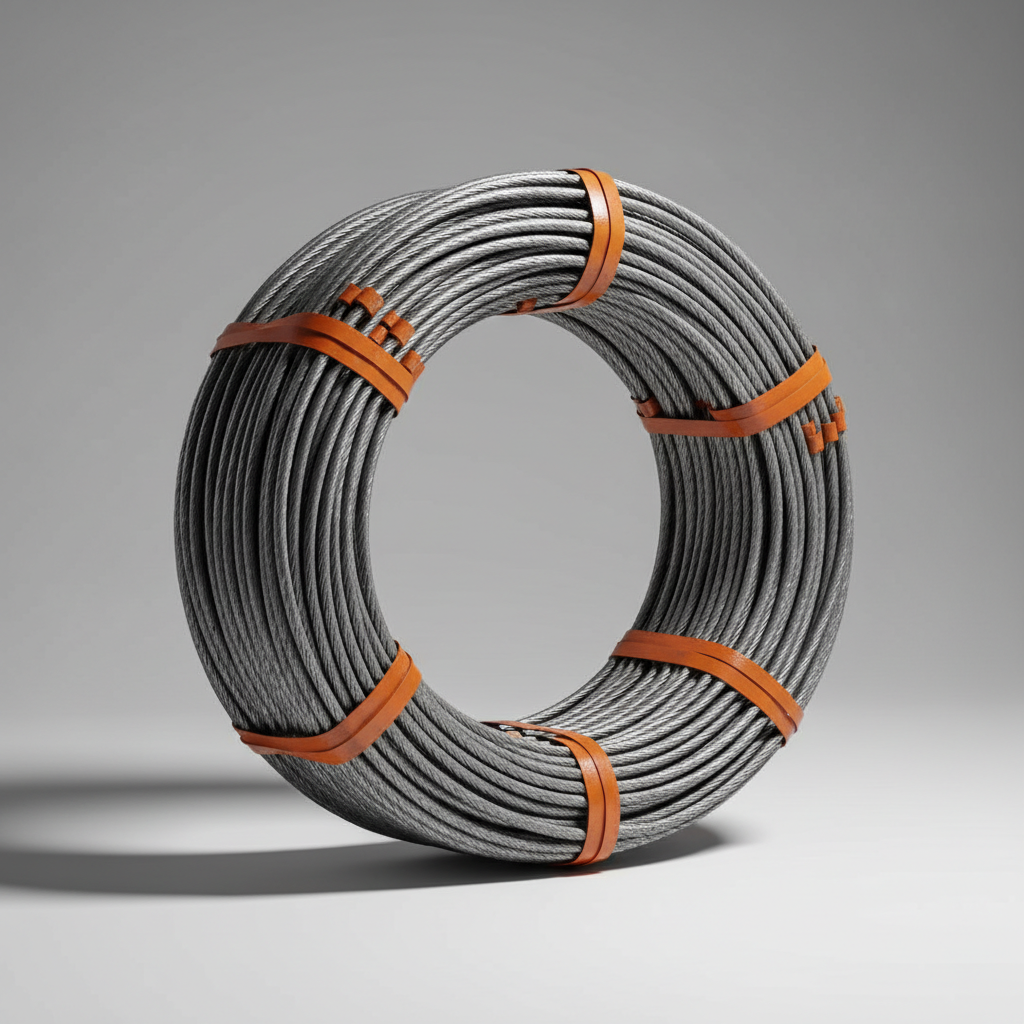


Wire shirt hangers wholesale refers to the bulk procurement of specialized metal hangers designed for industrial garment support and packaging. These products are typically manufactured from high-grade galvanized or steel wire, ensuring a balance between structural rigidity and weight efficiency for commercial laundry and retail logistics.
For many textile and recycling companies, the challenge lies in finding hangers that can withstand heavy loads without deformation while remaining cost-effective. Poor quality bulk hangers often lead to garment damage or operational delays, making the selection of high-tensile materials a critical procurement priority.
This guide provides a technical analysis of wire shirt hangers, covering material specifications, procurement standards, and industrial application scenarios to help buyers make informed decisions based on tensile strength and corrosion resistance.

1Industrial Standards for Wire Hangers

In the wholesale market, wire shirt hangers must adhere to strict mechanical standards to ensure they do not slip or bend under the weight of commercial garments. The primary focus is on the gauge of the wire and the quality of the coating, which prevents rust during long-term storage in humid warehouse environments.
Anping Shengsen Wire Mesh Products Co., Ltd. utilizes ISO9001 quality management systems to maintain consistency across bulk orders, focusing on the stability of the wire's diameter and the strength of the twists.
Understanding these standards allows procurement managers to differentiate between low-cost, fragile options and durable, professional-grade hardware that reduces long-term replacement costs.
2Core Material and Technical Specifications
The effectiveness of a wire hanger depends heavily on its material composition. Most industrial hangers use steel bar wire or galvanized wire to ensure a high tensile strength, typically ranging from 350 to 1200 N/mm², depending on the specific load requirement.
The manufacturing process involves precision drawing and bending. A double loop twist is often preferred for high-stress applications, as it provides superior stability compared to a single loop twist, preventing the hanger from unfolding under tension.
Additionally, the length can vary from 6 to 30 feet in bulk rolls or pre-cut bundles, allowing facilities to customize their packaging and bailing processes for maximum efficiency.
3Practical Application Scenarios
Beyond simple garment hanging, these wire products are extensively used in binding and bailing operations. Industries such as cotton packing and waste paper recycling rely on high-strength wire to secure large volumes of materials for transport.
In the retail sector, wholesale wire hangers are essential for rapid inventory deployment. The ability to maintain garment shape while minimizing storage space is a key operational advantage for high-volume distributors.
The versatility of these metal products extends to the construction of basic frameworks for temporary displays and industrial organizers, where the ease of bending and rigidity of steel are highly valued.
4Performance Analysis and Load Capacity
Analyzing the load-bearing capacity of wire hangers involves measuring the point of plastic deformation. High-carbon steel wires provide a higher threshold, meaning they return to their original shape after being stressed, which is vital for reusable wholesale systems.
When comparing standard wire to premium galvanized options, the latter shows a significant increase in longevity. Corrosion resistance is not just about aesthetics but about maintaining the structural integrity of the wire over years of use.
wire shirt hangers wholesale Performance Metrics
The data indicates that optimizing the wire gauge and coating process leads to a superior balance of weight and strength, reducing the total cost of ownership by minimizing breakage rates in fast-paced environments.
5Procurement and Selection Criteria
When sourcing wire shirt hangers wholesale, buyers should prioritize the supplier's certification and production capacity. A manufacturer with ISO14001 certification ensures that the galvanizing process meets environmental standards, which is increasingly important for corporate compliance.
Key evaluation factors include the consistency of the wire thickness and the smoothness of the finish. Rough edges or inconsistent galvanization can lead to fabric snags and customer complaints in the garment industry.
Packaging options, such as 60 to 250 pieces per bundle, should be aligned with the facility's handling equipment to avoid waste and improve unloading speed from pallets.
6Sustainability and Material Trends
The industry is shifting toward more sustainable metal products. The use of recyclable steel wire reduces the environmental footprint of garment logistics. Efficient galvanizing techniques now allow for thinner yet more protective layers, reducing zinc consumption.
Innovation in wire drawing technology has enabled the creation of alloys that offer higher strength-to-weight ratios. This allows wholesale buyers to reduce shipping costs by utilizing lighter wires that maintain the same load capacity.
By integrating R&D with production, companies like Anping Shengsen are developing materials that better serve the evolving needs of the global textile and recycling industries.
7Comparison of Wire Types for Bulk Orders
Choosing the right wire type requires a trade-off analysis between cost and performance. While basic steel wire is the cheapest, it lacks the longevity required for industrial environments where moisture is present.
Galvanized wire offers the best middle ground, providing a protective zinc layer that prevents rust. For extreme conditions, hot-dipped galvanization is superior to electric galvanization due to the thicker coating layer.
| Wire Material | Best Use Case | Main Strength | Primary Limitation |
|---|---|---|---|
| Low Carbon Steel | Indoor short-term | Low Cost | Rapid Rusting |
| Electro-Galvanized | Retail Display | Smooth Finish | Moderate Life |
| Hot-Dipped Galv. | Industrial/Outdoor | Max Corrosion Resistance | Higher Cost |
| High Tensile Steel | Heavy-Duty Bailing | Extreme Strength | Lower Flexibility |
| Stainless Steel | Medical/Premium | No Oxidation | Very High Price |
| Alloy Steel | Specialized Tools | Custom Properties | Complex Sourcing |
Ultimately, the selection should be driven by the specific operational environment and the intended lifespan of the product to maximize the return on investment.
Frequently Asked Questions
Conclusion
Selecting the right wire shirt hangers wholesale requires a deep understanding of material science and operational needs. By focusing on wire gauge, tensile strength, and the quality of galvanization, businesses can ensure their logistics chain remains efficient and their garments are protected from damage.
For procurement teams seeking reliable, high-performance metal wire products, reviewing technical specifications and supplier certifications is the best way to ensure long-term value. Detailed product information and solutions can be explored at www.wiremeshpro.com.