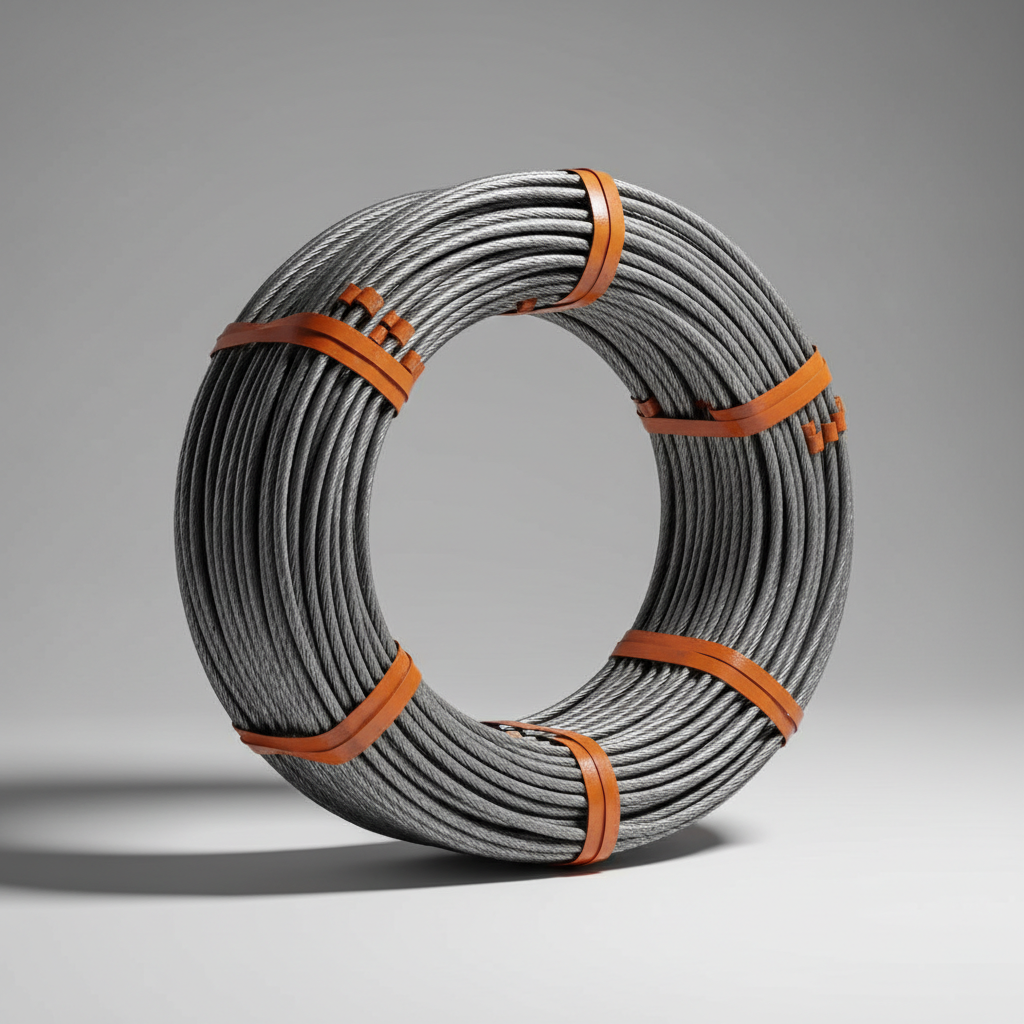
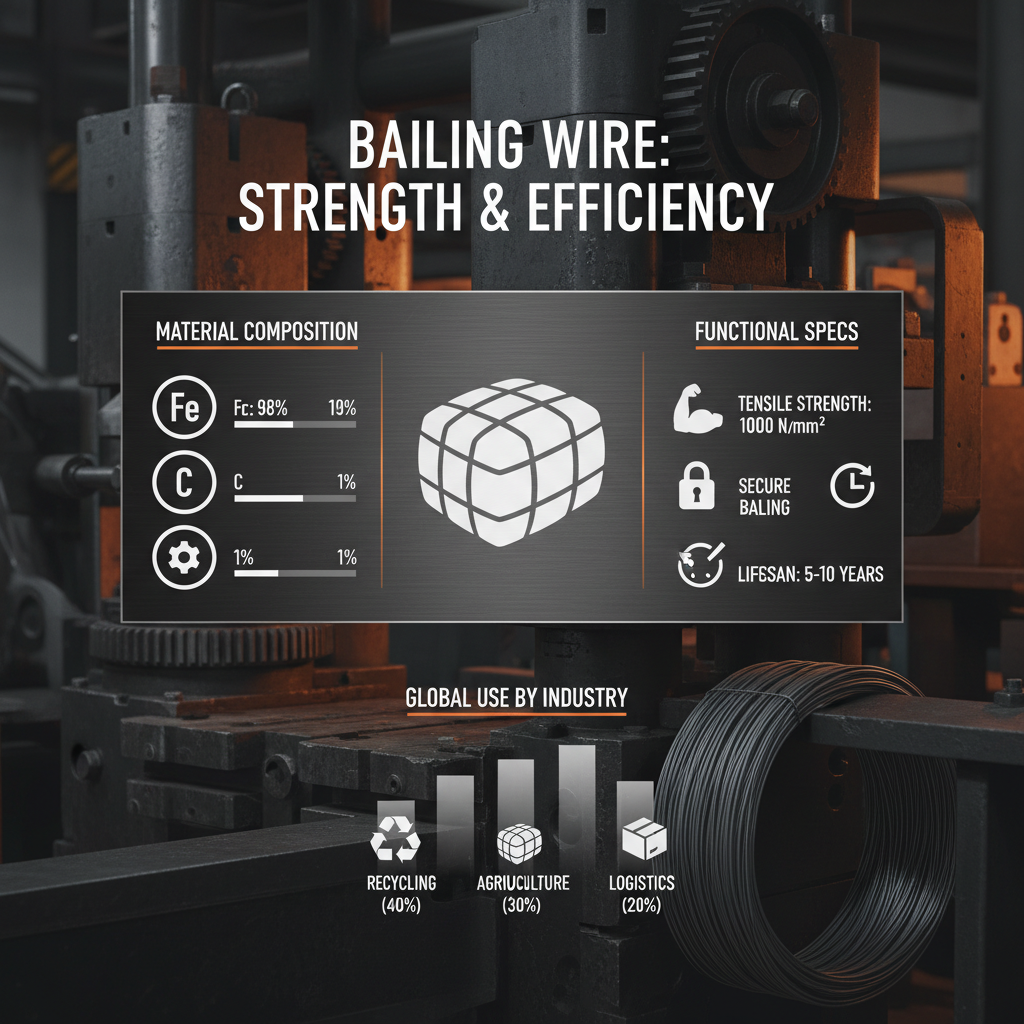
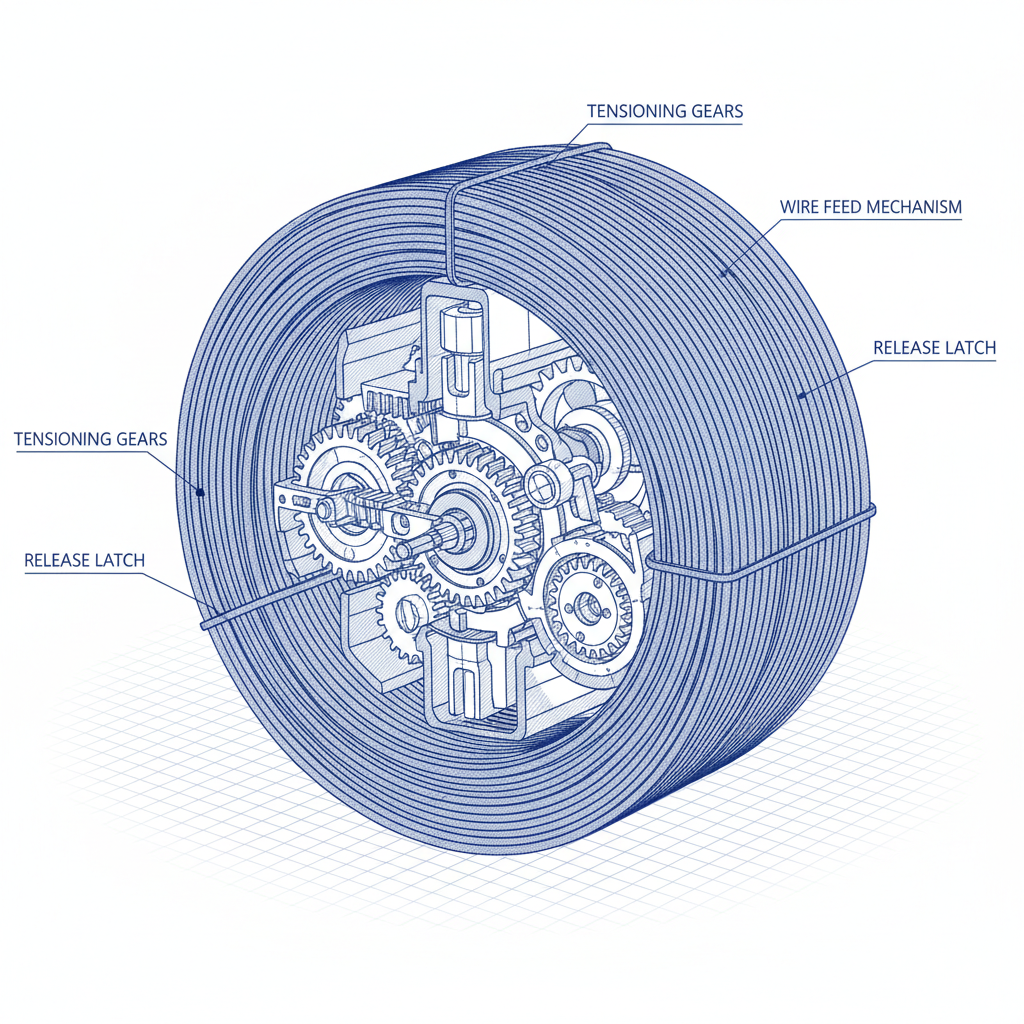
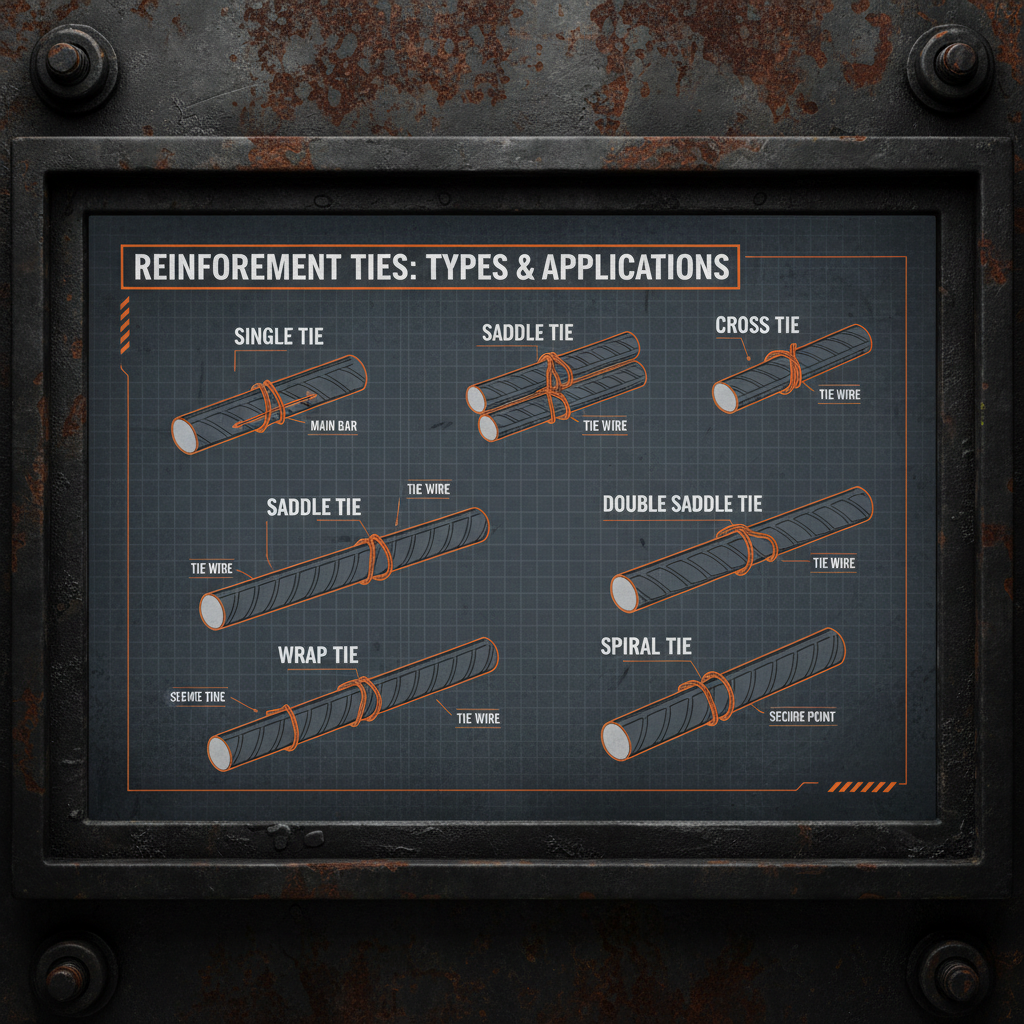
Bailing wires, seemingly simple strands of metal, play a surprisingly vital role in a multitude of industries and applications globally. From securing cargo during transport to providing crucial support in construction and disaster relief, these versatile wires underpin logistical operations and contribute significantly to infrastructure resilience. Understanding the properties, applications, and evolving innovations surrounding bailing wires is crucial for professionals in supply chain management, construction, and emergency response.
The global demand for bailing wires is intrinsically linked to economic activity, industrial output, and the frequency of natural disasters. According to the UN's World Humanitarian Data Hub, the need for rapid deployment materials, including securing components facilitated by bailing wires, has increased by 15% in the last decade due to escalating climate-related crises. This underscores the critical function bailing wires serve in maintaining continuity and stability in a rapidly changing world.
Furthermore, the efficient and reliable nature of bailing wires directly impacts cost-effectiveness within various sectors. Their robust design and ease of use contribute to reduced labor costs and improved operational efficiency, making them an indispensable component for businesses aiming to optimize their processes and deliver value.
The Significance of Bailing Wires
Bailing wires aren’t merely fasteners; they are fundamental components in ensuring the secure handling and transport of a vast range of materials. Their strength, flexibility, and cost-effectiveness make them a preferred choice in applications spanning agriculture, waste management, and heavy industry. Properly selected and applied bailing wires contribute directly to worker safety and prevent material loss during transit.
The continued relevance of bailing wires stems from their ability to adapt to evolving industry needs. Innovations in material composition and wire forming techniques are continually enhancing their performance characteristics, solidifying their position as a critical element in modern logistical systems.
Defining Bailing Wires
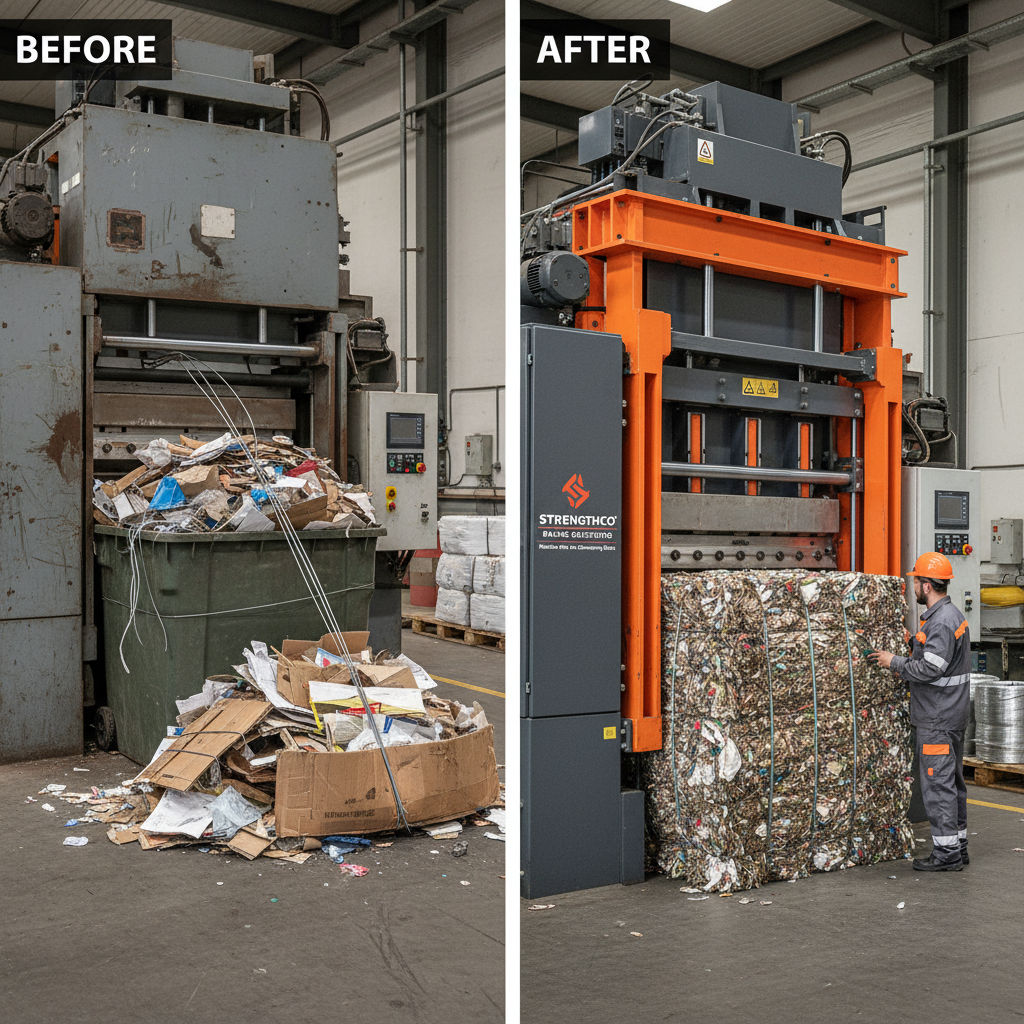
Bailing wires are strong, pliable lengths of metal, typically steel, used to bind materials together tightly. They are commonly employed to secure bales of recyclable materials (like paper, plastic, and aluminum), compress waste for efficient disposal, and bundle goods for shipping. The term "bailing" originates from the practice of creating compact, manageable bales for easier handling and transport.
In modern contexts, bailing wires extend beyond traditional agricultural applications. They are essential in construction for securing scaffolding and reinforcing structures, and in disaster relief for creating temporary shelters and securing essential supplies. Their inherent strength and adaptability make them a critical resource in challenging environments.
The connection to humanitarian needs is particularly profound. In post-disaster scenarios, rapid deployment of bailing wires allows for quick stabilization of damaged buildings, creation of safe zones, and secure transport of aid supplies – often acting as a lifeline for affected communities.
Core Characteristics of Bailing Wires
Several key characteristics define the effectiveness of bailing wires. Firstly, tensile strength is paramount, ensuring the wire can withstand significant pulling forces without breaking. Secondly, ductility – the ability to be bent and formed without fracturing – enables wires to conform to the shape of the materials being bound.
Corrosion resistance is another crucial property, especially for outdoor applications or environments exposed to moisture. Galvanized steel and stainless steel bailing wires offer enhanced protection against rust and degradation. Finally, consistency of diameter and material composition are vital for reliable performance and consistent binding strength.
These properties aren't simply inherent; they are carefully engineered through specific alloying processes and manufacturing techniques. Selecting the appropriate bailing wire for a given application requires a thorough understanding of these core characteristics and their implications for performance and longevity.
Key Performance Indicators of Bailing Wires
Evaluating the performance of bailing wires requires considering several key indicators. These metrics allow for accurate comparison between different wire types and ensure suitability for specific applications. A core KPI is Breaking Strength, measured in pounds or kilograms, representing the maximum load the wire can bear before fracturing.
Another critical indicator is Elongation, expressed as a percentage, which measures the wire's ability to stretch before breaking. Higher elongation values indicate greater ductility. Furthermore, assessing the Corrosion Resistance, often through salt spray testing, determines the wire's longevity in harsh environments.
Bailing Wire Performance Comparison
Global Applications and Use Cases
The applications of bailing wires are remarkably diverse and geographically widespread. In the agricultural sector, they are extensively used to bind hay bales and secure livestock fencing in regions like the American Midwest and Australia. In Europe and North America, bailing wires are critical for managing recyclable waste materials in municipal recycling facilities.
In post-disaster relief operations, organizations like the Red Cross and FEMA rely heavily on bailing wires for establishing temporary shelters, securing debris, and creating safe pathways. Similarly, in remote industrial zones of developing nations, bailing wires serve as a cost-effective solution for securing materials and equipment during infrastructure projects.
Advantages and Long-Term Value
The benefits of utilizing bailing wires extend beyond immediate functionality. Their affordability makes them a highly cost-effective solution compared to more complex fastening systems. Furthermore, the relatively low environmental impact of steel recycling contributes to their sustainability profile, aligning with growing corporate responsibility initiatives.
From a logistical standpoint, the ease of application and readily available tooling simplify operations and reduce downtime. The inherent strength and reliability of bailing wires provide a sense of security and trust, minimizing risks associated with material handling and transport. This combination of economic, environmental, and practical benefits makes them a valuable asset for businesses and organizations alike.
Future Trends in Bailing Wire Technology
Emerging trends are focused on enhancing the sustainability and performance of bailing wires. Research and development efforts are underway to explore the use of bio-based polymers as a coating material to further improve corrosion resistance and reduce reliance on traditional galvanization processes.
Automation and robotic systems are also being integrated into bailing and strapping processes, leading to increased efficiency and reduced labor costs. Furthermore, digital tracking technologies, such as RFID tags embedded within the wire itself, are being explored to enhance inventory management and prevent material loss.
These innovations are poised to shape the future of bailing wire technology, creating a more efficient, sustainable, and technologically advanced solution for a wide range of industries.
Summary of Bailing Wire Performance Characteristics
| Material Composition |
Tensile Strength (MPa) |
Corrosion Resistance (Rating 1-10) |
Typical Applications |
| Low Carbon Steel |
300-400 |
3 |
General Purpose Baling, Waste Management |
| High Carbon Steel |
600-800 |
4 |
Heavy-Duty Baling, Industrial Strapping |
| Galvanized Steel |
400-600 |
7 |
Outdoor Applications, Moderate Corrosion Environments |
| Stainless Steel 304 |
500-700 |
9 |
High Corrosion Environments, Food Processing |
| Stainless Steel 316 |
550-750 |
10 |
Marine Applications, Severe Corrosion Environments |
| Polymer Coated Steel |
350-550 |
8 |
Applications requiring enhanced protection and color coding |
FAQS
For typical cardboard bales, a gauge between 14 and 16 is generally recommended. This provides sufficient strength to compress and secure the bales without excessive tension. Heavier or denser materials may require a thicker gauge wire for optimal results. Selecting the correct gauge is vital for safety and efficiency.
Rust prevention involves choosing a corrosion-resistant wire like galvanized steel or stainless steel. Regularly applying a protective coating, such as a rust inhibitor, can also extend the lifespan of the wire. Proper storage in a dry environment when not in use is another effective measure against corrosion.
Always wear safety glasses and gloves when handling bailing wire to protect against sharp edges and potential cuts. Use appropriate wire tensioning tools to avoid over-tightening and wire breakage. Never attempt to untwist or cut bailing wire with your hands; always use proper wire cutters.
Stainless steel bailing wire offers superior corrosion resistance, making it ideal for harsh environments or applications where longevity is critical. While it's more expensive upfront, the reduced need for replacement and enhanced durability often result in long-term cost savings. It’s particularly beneficial in coastal or humid regions.
Galvanized steel is coated with a layer of zinc to protect against rust, offering good corrosion resistance at a lower cost. Stainless steel, however, contains chromium, which forms a self-healing oxide layer providing even greater resistance to corrosion and staining. Stainless steel is more durable and suitable for severe environments.
Yes, bailing wire is highly recyclable. Steel bailing wire can be scrapped and repurposed, contributing to sustainable resource management. Ensure the wire is free from contaminants before recycling. Many recycling centers will accept bailing wire as part of their ferrous metal recycling programs.
Conclusion
Bailing wires, despite their simplicity, remain an indispensable component in a vast array of industries, from agriculture and waste management to construction and disaster relief. Their combination of strength, affordability, and adaptability ensures their continued relevance in a world demanding efficient and reliable fastening solutions. The evolving innovations in materials and application techniques demonstrate a commitment to enhancing their performance and sustainability.
Looking ahead, continued investment in research and development will further solidify the role of bailing wires as a critical resource. By embracing sustainable practices, exploring new materials, and integrating automation technologies, we can unlock the full potential of bailing wires and ensure their enduring value for generations to come. To learn more about our comprehensive range of bailing wire products and find the ideal solution for your needs, visit our website: www.wiremeshpro.com.

 Phone:
 Email: