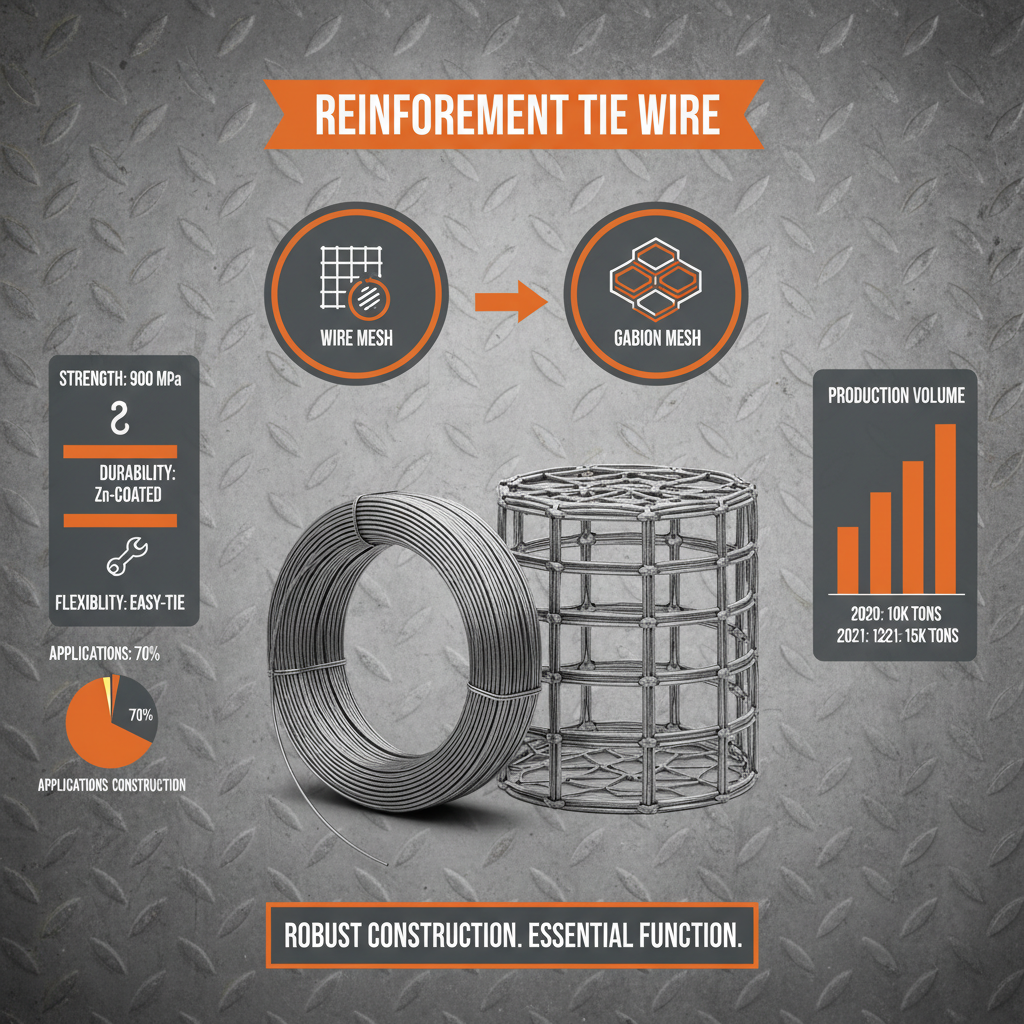
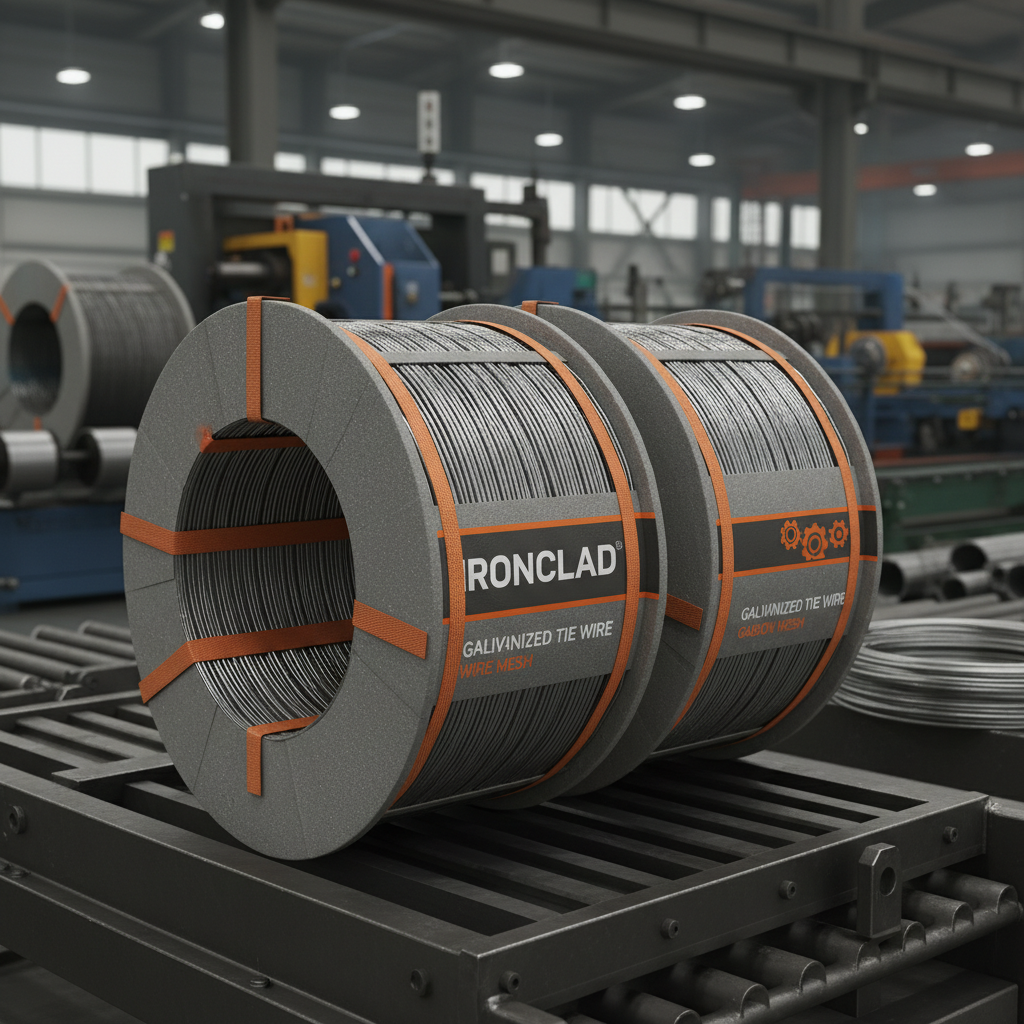
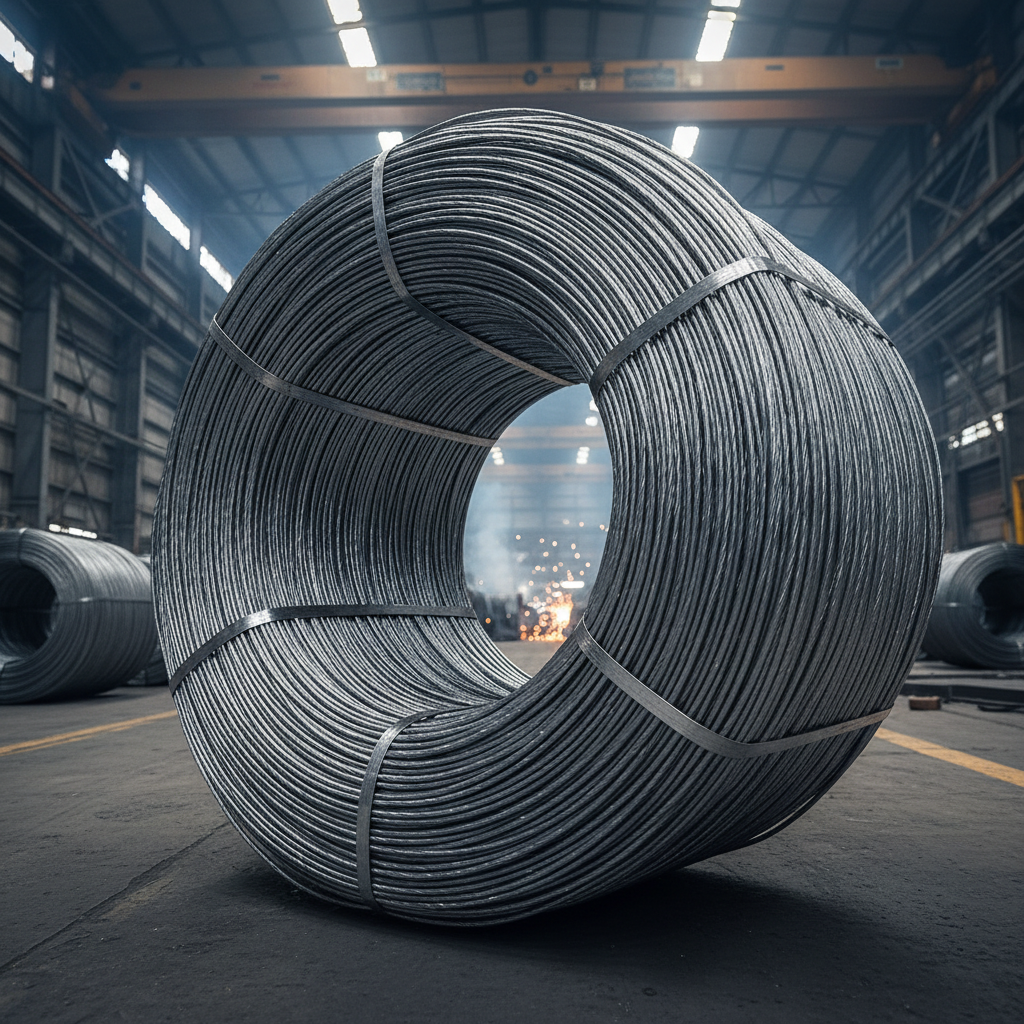
Reinforcement tie wire, seemingly a simple component, plays a crucial role in modern construction and infrastructure development worldwide. It’s the unsung hero securing rebar frameworks, ensuring structural integrity in everything from towering skyscrapers to essential transportation networks. Understanding its properties, applications, and future trends is paramount for engineers, construction professionals, and anyone involved in building a more resilient world. Its reliability directly impacts the safety and longevity of our built environment, making it a globally significant material.
The demand for high-quality reinforcement tie wire is directly linked to global construction rates and infrastructure investment. Data from the UN and World Bank consistently highlights growing urbanization and the need for improved infrastructure in developing nations. This translates to an increased need for reliable and cost-effective methods of securing rebar, driving innovation and advancements in tie wire technology. A key challenge lies in balancing cost efficiency with the need for corrosion resistance and long-term durability, particularly in harsh environmental conditions.
Furthermore, the widespread adoption of sustainable construction practices is pushing for eco-friendly reinforcement tie wire solutions. This includes exploring materials with lower carbon footprints and developing recycling programs to minimize waste. The very foundation of robust construction relies on seemingly small components like reinforcement tie wire, and optimizing its use is key to building a sustainable future.
The Global Significance of reinforcement tie wire
The ubiquitous nature of concrete construction means reinforcement tie wire is utilized in virtually every corner of the globe. From the bustling megacities of Asia to the expanding infrastructure projects in Africa and the ongoing renovations in Europe and North America, this material is foundational. The sheer volume of steel rebar used annually necessitates a consistent supply of reliable tie wire, making it a critical component of the global construction supply chain.
Consider the scale: major infrastructure projects like high-speed rail lines, bridges, and dams all rely heavily on securely tied rebar frameworks. Furthermore, residential and commercial building construction contribute significantly to the overall demand. The cost of failures due to inadequate tie wire can be catastrophic, emphasizing the importance of quality control and adherence to industry standards. reinforcement tie wire isn't just a fastener; it's a key safety element.
Defining reinforcement tie wire
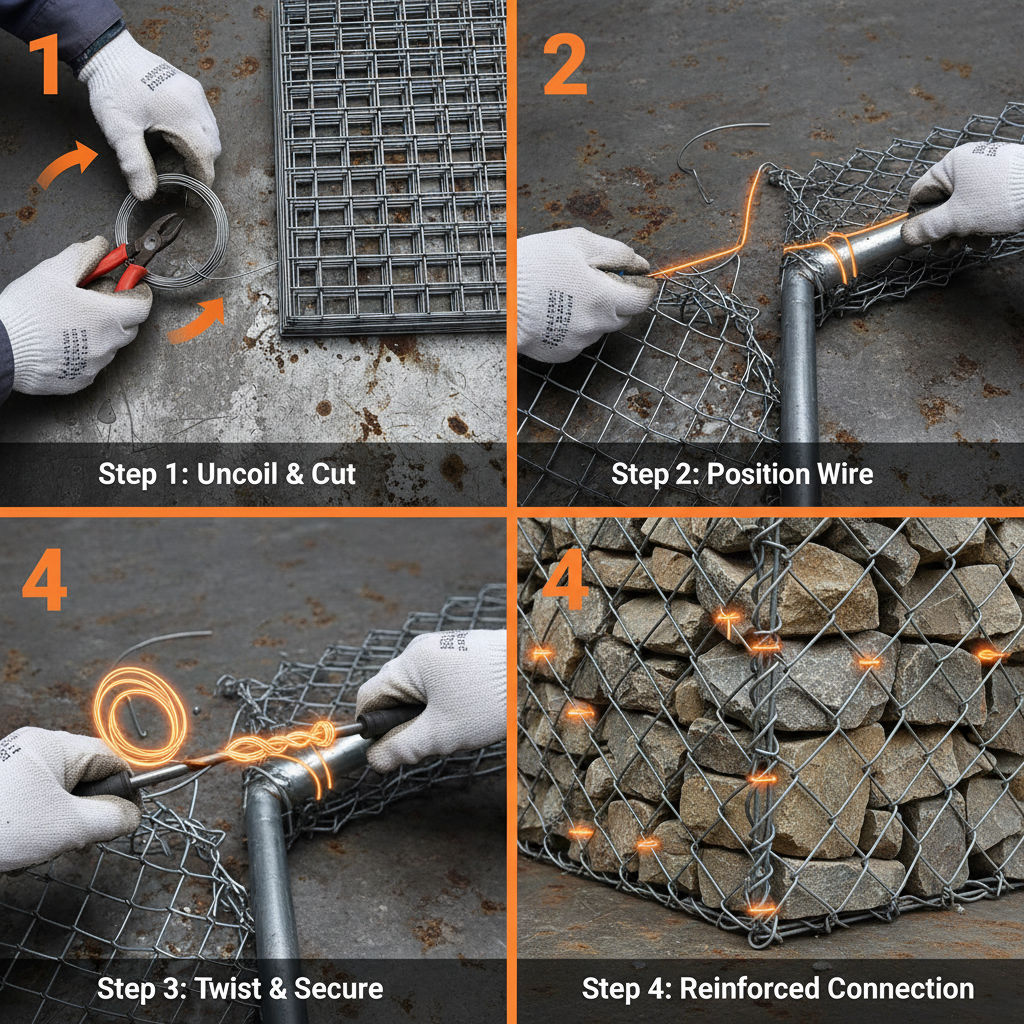
Reinforcement tie wire is a thin, malleable wire used to bind steel reinforcing bars (rebar) together, creating a stable framework within concrete structures. It's typically made of annealed steel, meaning it’s been heat-treated to increase its ductility and ease of use. Its primary function isn't to contribute significantly to the structural strength, but rather to maintain the rebar’s position during concrete pouring and curing.
In essence, it’s a temporary holding mechanism that becomes embedded within the concrete matrix. Different gauges (wire diameters) are available to suit various rebar sizes and project requirements. Selecting the appropriate gauge is crucial for ensuring a secure hold without damaging the rebar's protective coating or compromising the concrete’s integrity.
The connection to modern industry extends beyond simple construction. It is a fundamental part of creating resilient infrastructure, allowing for safe and durable buildings, transportation systems, and public works. Even in humanitarian contexts, such as disaster relief, effective rebar tying – enabled by reliable tie wire – is crucial for rapid construction of temporary shelters and essential facilities.
Core Components of reinforcement tie wire
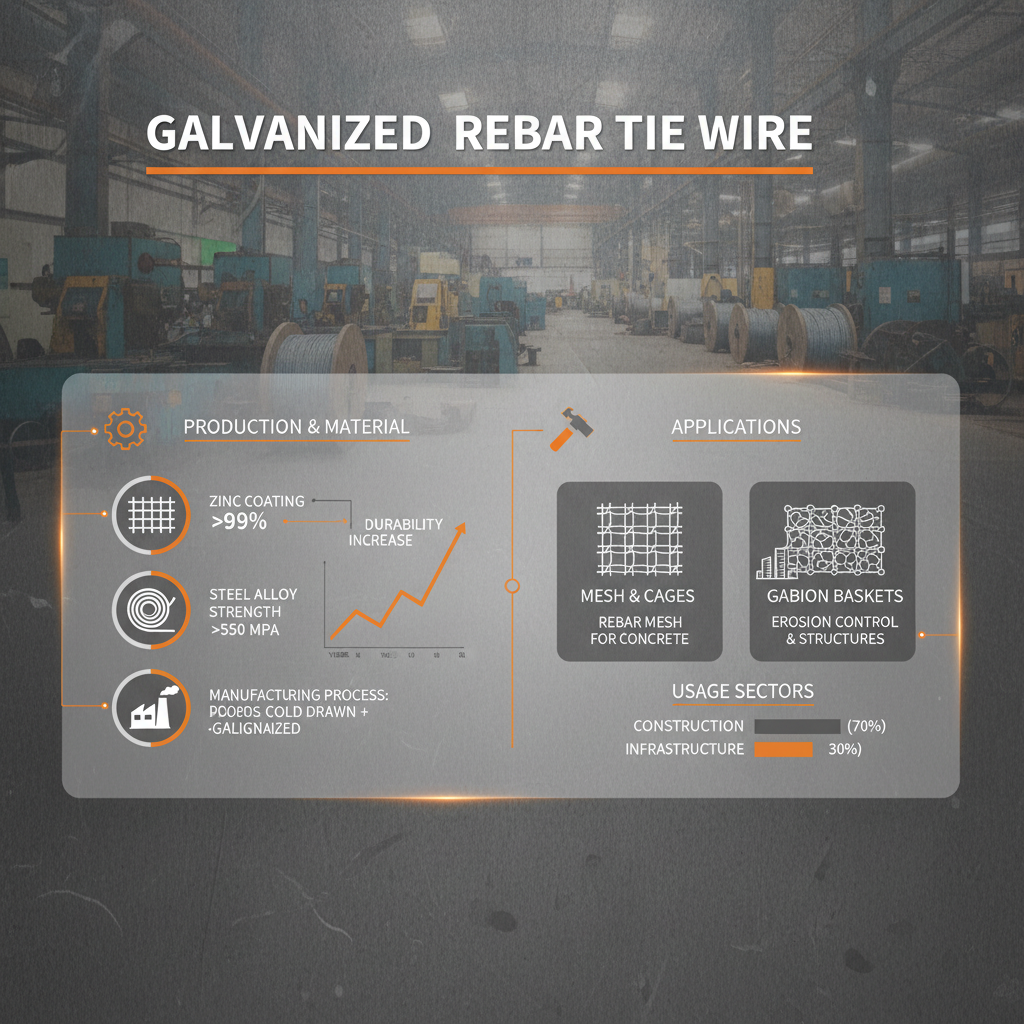
The core of reinforcement tie wire lies in its material composition: typically low-carbon steel. This steel is chosen for its affordability, malleability, and weldability. However, the specific alloy and manufacturing process can significantly impact its performance characteristics. The annealing process, crucial for enhancing ductility, directly affects how easily the wire can be bent and tied without breaking.
Another important component is the coating, often applied to provide corrosion resistance. Galvanization is a common method, involving a zinc coating that protects the steel from rust. Epoxy coatings and other specialized finishes are also available for more demanding environments. The quality and thickness of this coating are vital for extending the wire’s lifespan, particularly in coastal regions or areas exposed to harsh chemicals.
Finally, the gauge (diameter) of the wire is a critical consideration. Common gauges range from 16 to 20, with thicker wires offering greater strength but requiring more effort to tie. The appropriate gauge depends on the size of the rebar, the complexity of the structure, and the project’s specific requirements. Choosing the correct gauge is an essential step in guaranteeing a secure and lasting rebar framework.
Key Factors Affecting reinforcement tie wire Performance
Durability is paramount. The tie wire must withstand handling, tying, and the stresses of concrete pouring without breaking or losing its shape. A wire’s tensile strength, yield strength, and elongation properties all contribute to its overall durability. Selecting a wire with sufficient strength for the application is vital to avoid premature failure.
Corrosion resistance is another crucial factor. Exposure to moisture, chemicals, and salt can accelerate corrosion, weakening the wire and potentially compromising the structural integrity of the concrete. The quality and type of coating significantly influence corrosion resistance.
reinforcement tie wire Performance Metrics
Global Applications of reinforcement tie wire
Reinforcement tie wire is indispensable in large-scale infrastructure projects worldwide. In Asia, particularly in rapidly developing countries like China and India, it's a critical component in building high-rise structures, bridges, and transportation networks. The demand here is driven by massive urbanization and government investments in infrastructure.
In post-disaster relief operations, reinforcement tie wire is used for rapid construction of temporary shelters and essential facilities. Its ease of use and affordability make it an ideal solution for quickly establishing stable structures in emergency situations. In remote industrial zones, such as mining operations and oil platforms, it ensures the durability of concrete foundations and support structures.
Advantages and Long-Term Value
The cost-effectiveness of reinforcement tie wire is a major advantage. Compared to more complex fastening systems, it’s significantly cheaper, making it accessible for a wide range of projects. This affordability doesn’t compromise reliability; when properly selected and applied, it provides a secure and lasting hold.
The long-term value stems from the enhanced durability and safety it contributes to concrete structures. A well-tied rebar framework reduces the risk of cracking, spalling, and other forms of concrete deterioration, extending the lifespan of the structure and reducing maintenance costs. The peace of mind knowing that the foundation is secure adds significant intangible value.
Future Trends and Innovations in reinforcement tie wire
The development of more corrosion-resistant coatings is a key trend. Researchers are exploring new materials and application techniques to further enhance the longevity of tie wire in harsh environments. This includes investigating polymers and advanced alloys that offer superior protection against rust and chemical attack.
Automation in the rebar tying process is another emerging area. Robotic tying machines are gaining popularity, offering increased speed, precision, and reduced labor costs. This aligns with the broader trend of digital transformation in the construction industry, aiming for greater efficiency and productivity.
Sustainability is driving research into recyclable tie wire materials and eco-friendly manufacturing processes. Reducing the carbon footprint of tie wire production is becoming increasingly important as the construction industry strives to minimize its environmental impact.
Summary of Reinforcement Tie Wire Optimization Strategies
| Material Composition |
Coating Type |
Gauge Selection |
Application Technique |
| Low-Carbon Steel (Standard) |
Galvanized Zinc |
16 Gauge (Heavy Duty) |
Manual Tying (Cost-Effective) |
| High-Tensile Steel Alloy |
Epoxy Coating |
18 Gauge (General Purpose) |
Automated Tying (High Speed) |
| Recycled Steel |
Polymer Coating |
20 Gauge (Light Duty) |
Semi-Automated Tying (Balance) |
| Stainless Steel Alloy |
None (Corrosion Resistant) |
16 Gauge (High Strength) |
Manual Tying (Precise Control) |
| Standard Low-Carbon Steel |
Zinc-Aluminum Alloy |
19 Gauge (Moderate Duty) |
Automated Tying (Large Scale) |
| Enhanced Low-Carbon Steel |
Double Galvanized Zinc |
17 Gauge (Versatile) |
Manual Tying (Detail Oriented) |
FAQS
For tying #4 (1/2 inch diameter) rebar, 16-gauge reinforcement tie wire is generally recommended. This gauge provides sufficient strength to securely hold the rebar together without causing damage. Thinner gauges may be insufficient, while thicker gauges can be difficult to tie and may increase the risk of rebar corrosion. Always consult local building codes and project specifications for specific requirements.
Corrosion is a significant concern in marine environments. Using galvanized or epoxy-coated reinforcement tie wire is crucial. Epoxy coatings offer superior protection compared to standard galvanization. Furthermore, ensuring proper concrete cover over the rebar helps to shield the tie wire from direct exposure to saltwater. Regular inspection and maintenance are also vital to identify and address any corrosion issues promptly.
Always wear safety glasses and gloves when working with reinforcement tie wire to protect your eyes and hands from sharp edges. Use a proper rebar tying tool to avoid hand fatigue and ensure consistent ties. Be mindful of your surroundings and avoid tripping hazards. Properly dispose of scrap wire to prevent injuries. Follow all relevant safety guidelines and training procedures.
Yes, recycled reinforcement tie wire is becoming increasingly viable. Manufacturers are now producing tie wire from recycled steel, offering a more sustainable alternative. The performance characteristics of recycled tie wire are comparable to those of traditionally manufactured wire, provided it meets the required industry standards. Choosing recycled options supports circular economy principles and reduces environmental impact.
Annealed reinforcement tie wire has been heat-treated to increase its ductility, making it much easier to bend and tie without breaking. Unannealed wire is harder and more brittle, requiring significantly more force to manipulate. For rebar tying, annealed wire is almost always preferred due to its workability and reduced risk of breakage during installation.
The quality of reinforcement tie wire, though seemingly minor, directly impacts structural integrity. Poorly made or corroded tie wire can fail, allowing the rebar to shift during concrete pouring and curing. This can compromise the rebar's positioning and reduce the concrete's load-bearing capacity. Using high-quality tie wire ensures a stable rebar framework, maximizing the structure’s strength and longevity.
Conclusion
In conclusion, reinforcement tie wire is a seemingly unassuming, yet critically important component in modern construction. From its core material composition and coating options to its vital role in maintaining rebar framework integrity, understanding its nuances is essential for engineers, contractors, and anyone involved in building resilient infrastructure. The global demand for this material is steadily increasing, fueled by urbanization and infrastructure development worldwide.
Looking ahead, innovations in corrosion resistance, automation, and sustainability will further enhance the value of reinforcement tie wire. By embracing these advancements and prioritizing quality control, we can ensure the long-term durability and safety of our built environment. For reliable sourcing and expert advice on reinforcement tie wire solutions, visit our website: www.wiremeshpro.com.

 Phone:
 Email: