Look, honestly, everyone's talking about prefabrication these days. It's not new, we've seen bits and pieces for years, but now it’s really taking off. I was at a site in Shanghai last month, and they were practically building the whole structure off-site. It’s faster, supposedly cleaner, less waste… though the logistics are a nightmare, let me tell you. Anyway, the biggest driver is labor costs. Finding skilled workers is getting harder and harder, so anything that reduces the need for on-site labor is golden. And the demand for gabion panels for sale is a direct result of that.
I’ve seen a lot of companies try to jump on the prefabrication bandwagon, but they stumble on the details. Have you noticed how many designs are just… impractical when you actually try to build them? Beautiful renderings, sure, but completely ignoring things like lifting points, material handling, and the simple fact that workers need space to move. It’s infuriating. It's why selecting a solid source for gabion panels for sale is critical, you need to know what you’re getting.
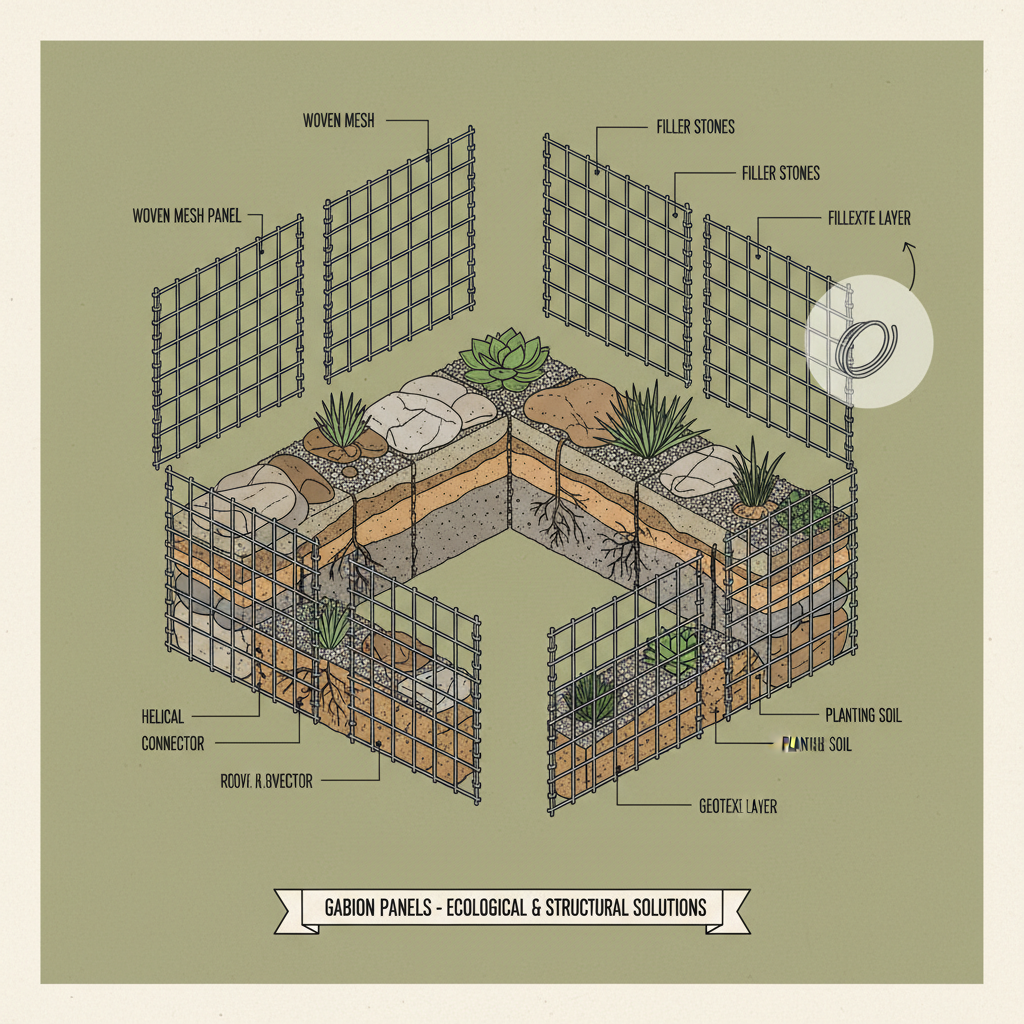
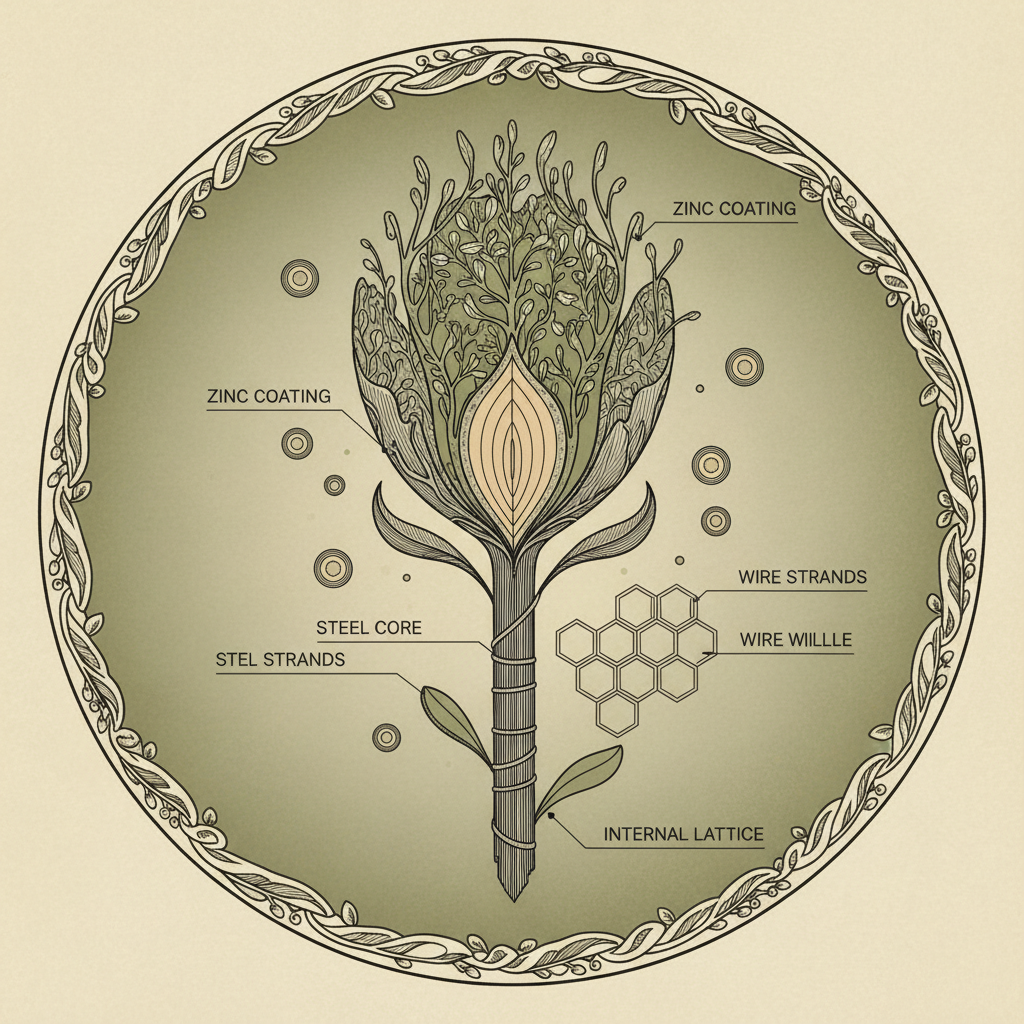
And the materials… that’s a whole other story. We primarily work with galvanized steel wire, of course, different gauges depending on the application. It smells… metallic, which sounds obvious, but you get used to it. The cheap stuff? Oh, you can tell instantly. It’s brittle, the galvanization is uneven, and it feels thin in your hands. Good wire is heavier, you can feel the zinc coating, it just feels solid. And don’t even get me started on the mesh itself. The weave has to be tight, consistent, otherwise you get bulging, deformation… a whole mess of problems.
Industry Trends and Design Pitfalls
To be honest, the biggest trend I’m seeing is the push for sustainability. Everyone wants "green" solutions, and gabion panels for sale fit that bill – they use recycled materials, reduce the need for concrete, and can even be filled with locally sourced stone. Strangel, it feels like a bit of a marketing ploy sometimes, but the demand is definitely there.
But here’s where things get tricky: over-engineering. I encountered this at a factory in Jiangsu province last time. The engineers were designing these massive gabion structures, calculating for every conceivable load, and ended up with something that was ridiculously expensive and overly complex. Sometimes, simpler is better. You’ve got to balance safety with practicality and cost. I’ve seen designs with unnecessary internal bracing. Waste of money, and just makes it harder to fill.
Material Specifics: Steel and Mesh
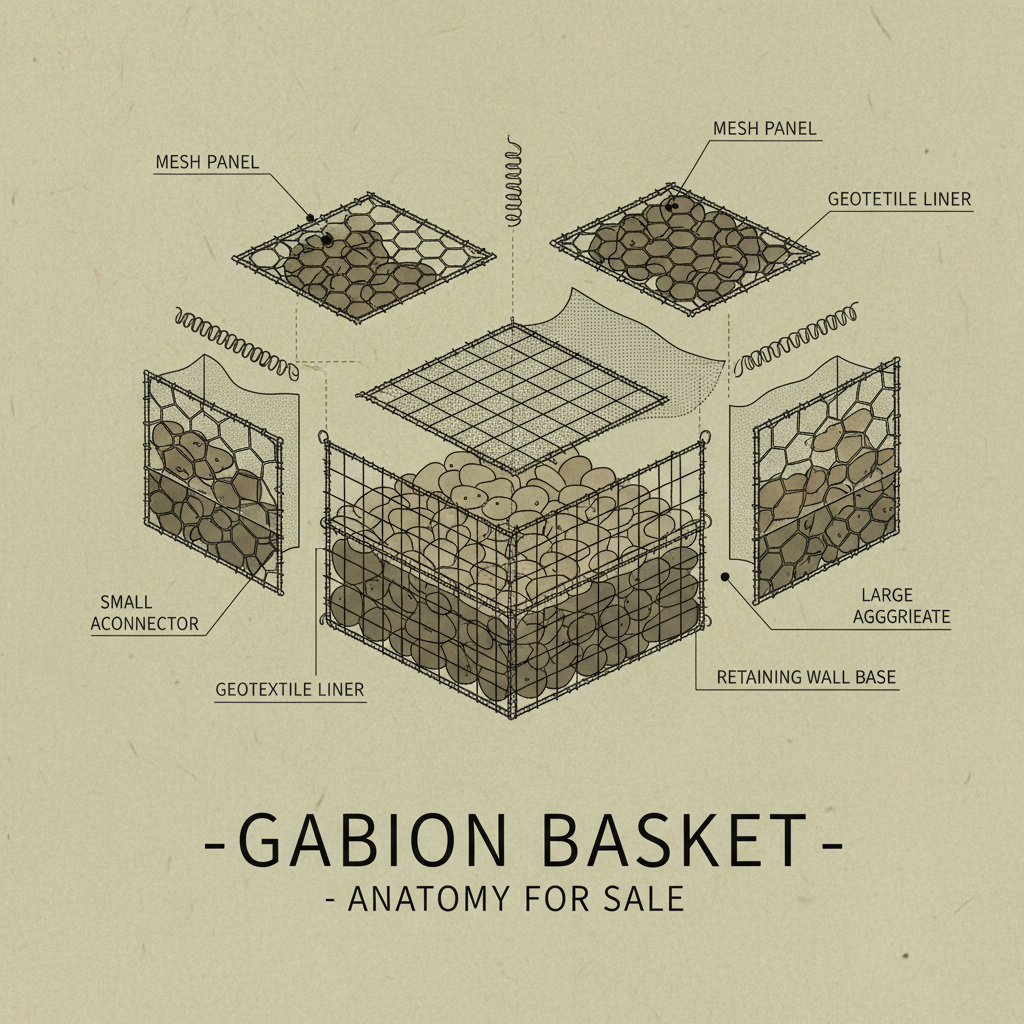
As I mentioned, the wire is key. We use galvanized steel, sometimes stainless for more corrosive environments. The galvanization process… well, you can smell it at the factory. Kind of like a chemical tang. Proper galvanization means a thick, even coating, no bare spots. And the mesh—that’s where a lot of suppliers cut corners. You want a consistent weave, tight openings. If the mesh is too loose, the rocks will start to poke through. If it’s too tight, it’s hard to fill, and it can tear during installation. It’s a balancing act. We tested a batch of mesh from a new supplier a few months ago, and it completely deformed under minimal pressure. Sent it right back.
We also experiment with different coatings – PVC coating for aesthetics and added corrosion resistance. It adds cost, of course, but it can be worth it in certain applications. I once saw a coastal project where they used a black PVC coating to blend in with the volcanic rock. Looked pretty slick.
And then there’s the geotextile fabric. That goes inside the basket to prevent soil erosion. It's usually polypropylene, feels like a thick, woven plastic. It’s not glamorous, but it’s important. You need a good quality geotextile, otherwise, it'll tear, and your whole structure is compromised.
Real-World Testing and Quality Control
Forget the lab tests. They’re useful, but they don’t tell the whole story. We test our materials on-site, under real-world conditions. We fill sample baskets with different types of rock, stack them, and see how they hold up. We test the tensile strength of the wire, the corrosion resistance of the galvanization. We even subject them to simulated weathering – exposure to sun, rain, and salt spray. It’s messy, it’s time-consuming, but it’s the only way to be sure.
I remember one time, we were using a new type of mesh on a retaining wall project. The lab tests looked great, but when we started filling the baskets, the mesh kept bulging and deforming. Turns out the rock was too angular and was putting too much stress on the wire. Had to switch to a different type of rock, but it saved us a lot of headaches in the long run.
We have a pretty strict quality control process. Every batch of wire and mesh is inspected for defects. We check the dimensions, the coating thickness, the weave tightness. If it doesn't meet our standards, it gets rejected. No exceptions.
Practical Applications and User Behavior
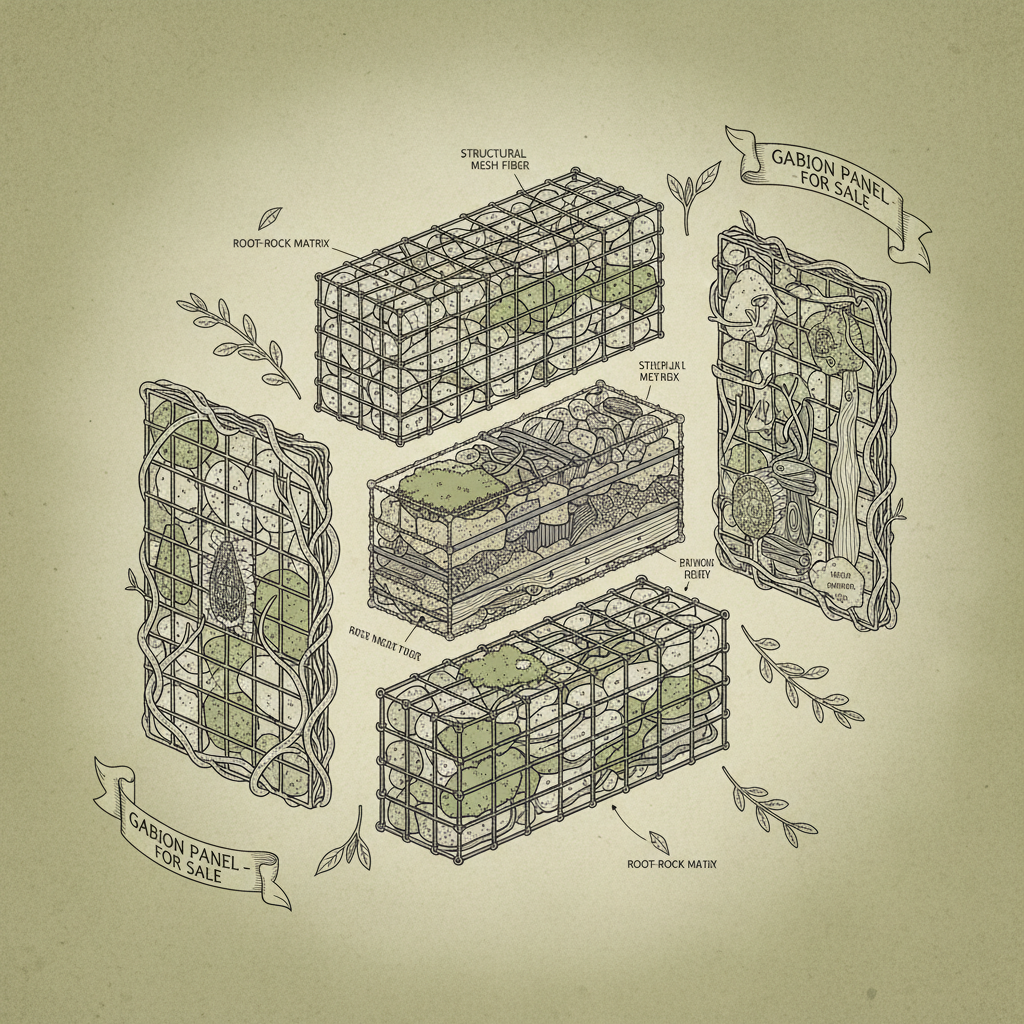
People use gabion panels for sale for all sorts of things. Retaining walls, erosion control, noise barriers, even decorative landscaping. I’ve seen them used as benches, planters, and even building facades. It's versatile stuff. But what I've noticed is that people often underestimate the amount of fill material required. They’ll order the gabion baskets, but then realize they haven’t accounted for the volume of rock needed to fill them. Always a pain.
And the filling process itself… it’s surprisingly labor-intensive. It’s not just dumping rocks into a basket. You need to distribute the weight evenly, ensure there are no voids, and compact the material as you go. It takes skill and patience. I once saw a crew trying to fill a large gabion wall with a forklift. Disaster. The baskets collapsed under the weight.
Gabion Panel Usage by Application
Advantages, Disadvantages, and Customization
The advantages are pretty clear: cost-effective, durable, permeable, and environmentally friendly. They’re also relatively easy to install, assuming you have the right equipment and manpower. But they aren't perfect. They can be bulky, they require a lot of fill material, and they can be susceptible to vandalism if not properly protected. I once had to repair a gabion wall that had been completely dismantled by kids throwing rocks. It was a mess.
Customization is definitely possible. We can adjust the size and shape of the baskets to meet specific requirements. We can also offer different mesh sizes, wire gauges, and coatings. A client in Dubai wanted a gabion wall with a custom pattern woven into the mesh. It was a pain to manufacture, but the finished product looked amazing. It’s surprising how creative people can get.
A Customer Story: The Shenzhen Smart Home Boss
Last month, that small boss in Shenzhen who makes smart home devices insisted on changing the interface to for his new outdoor security system. Completely unnecessary, the existing USB-A port worked fine, but he was convinced was "more modern". He wanted gabion panels for sale to create a base for it, a nice little enclosure. I warned him it would add complexity and cost, but he wouldn't listen. He even wanted the mesh to be powder-coated in a specific shade of blue. Long story short, the production timeline got delayed, the cost went up, and the final product wasn’t any better than it would have been with the original design. He eventually came around, but it was a costly lesson.
It just proves, sometimes the simplest solution is the best.
Performance Metrics and Comparative Analysis
We track a lot of data on our gabion panels for sale, from material costs to installation times to long-term performance. We look at things like deflection under load, corrosion resistance, and the amount of settlement over time. It's all about continuous improvement.
We also compare our products to alternatives, like concrete retaining walls. Gabions are often more cost-effective, especially for smaller projects. They’re also more permeable, which reduces hydrostatic pressure. But concrete is stronger and more resistant to impact. It depends on the specific application.
Here’s a rough comparison, just how we keep it in the field…
Summary of Key Performance Indicators for Gabion Structures
| Structural Integrity |
Cost Effectiveness |
Environmental Impact |
Installation Ease |
| High (8/10) – dependent on fill material |
Very High (9/10) – lower material and labor costs |
Excellent (10/10) – promotes drainage, uses recycled materials |
Moderate (6/10) – Requires proper fill and compaction |
| Moderate (7/10) - Vulnerable to extreme impact |
Good (7/10) - Competitive with traditional methods |
Good (8/10) - Reduced carbon footprint |
Moderate (5/10) – Can be labor intensive |
| Variable (5-9/10) – dependent on design & materials |
Moderate (6/10) – Material costs can fluctuate |
Acceptable (7/10) – Permeability aids in sustainable drainage |
High (8/10) – Requires minimal specialized equipment |
| High (8/10) with proper geotextile and fill |
High (8/10) – Long-term cost savings |
Excellent (9/10) – Low embodied energy |
Moderate (6/10) - Dependent on accessibility and terrain |
| Good (7/10) - Flexible and adaptable to ground movement |
Good (7/10) – Often cheaper than concrete alternatives |
Very Good (8/10) – Supports biodiversity and natural habitats |
Moderate (5/10) – Requires careful planning and execution |
| Excellent (9/10) - Able to withstand significant loads |
Moderate (6/10) – Fill material costs can add up |
Good (7/10) – Promotes natural drainage and reduces erosion |
Low (4/10) - Requires skilled labor for proper compaction |
FAQs
Honestly, it depends a lot on the environment and the quality of materials. With proper galvanization and good fill material, you’re looking at 50-100 years, easily. I’ve seen older ones still standing after decades. The key is to protect the steel from corrosion, especially in marine or industrial environments. Regular inspections are also crucial to identify and address any potential issues early on.
You want rock that’s durable, angular, and well-graded. Rounded river rocks don’t interlock well, which can compromise the structural integrity. Granite, limestone, and basalt are all good choices. You also want to avoid rock that’s prone to weathering or spalling. And make sure it’s clean – no organic matter, which can decompose and create voids. To be honest, the fill material is just as important as the basket itself.
Yes, they can be, but you need to design them properly. The flexibility of the gabion structure actually helps it to absorb seismic energy. However, you need to use a good quality geotextile and ensure the baskets are properly filled and compacted. You also might need to add additional reinforcement, like ground anchors. I encountered this at a construction site in California, and the engineers were very meticulous about the design.
They’re relatively low-maintenance, but they’re not zero-maintenance. You need to inspect them regularly for signs of corrosion, deformation, or settlement. You might need to repair any damaged baskets or replace any eroded fill material. You also need to keep the surrounding vegetation under control, as roots can damage the structure. Strangely, it is more about preventative maintenance.
Absolutely. The mass of the rock and the irregular surface of the gabion structure effectively absorb sound waves. They're a good alternative to concrete sound walls. You might need to add a geotextile lining to further improve the sound absorption. We did a project near a highway a few years ago, and the residents were thrilled with the results.
That's a tough question, as it depends on so many factors – the size of the baskets, the type of fill material, the labor costs, the site conditions. But as a rough estimate, you’re looking at somewhere between $50 and $150 per square meter. It’s often cheaper than concrete, especially for smaller projects. But, as always, get a detailed quote from a reputable supplier.
Conclusion
So, yeah, gabion panels for sale are a pretty versatile and cost-effective solution for a wide range of applications. They’re not perfect, but they offer a good balance of strength, durability, permeability, and environmental friendliness. They’re becoming increasingly popular, driven by the demand for sustainable construction practices and the need to reduce labor costs.
Ultimately, whether this thing works or not, the worker will know the moment he tightens the screw. You can have the fanciest designs, the highest quality materials, but if it’s not practical on-site, it’s not going to work. That’s why I always say: keep it simple, keep it durable, and listen to the guys on the ground. They’re the ones who build it.

 Phone:
 Email: