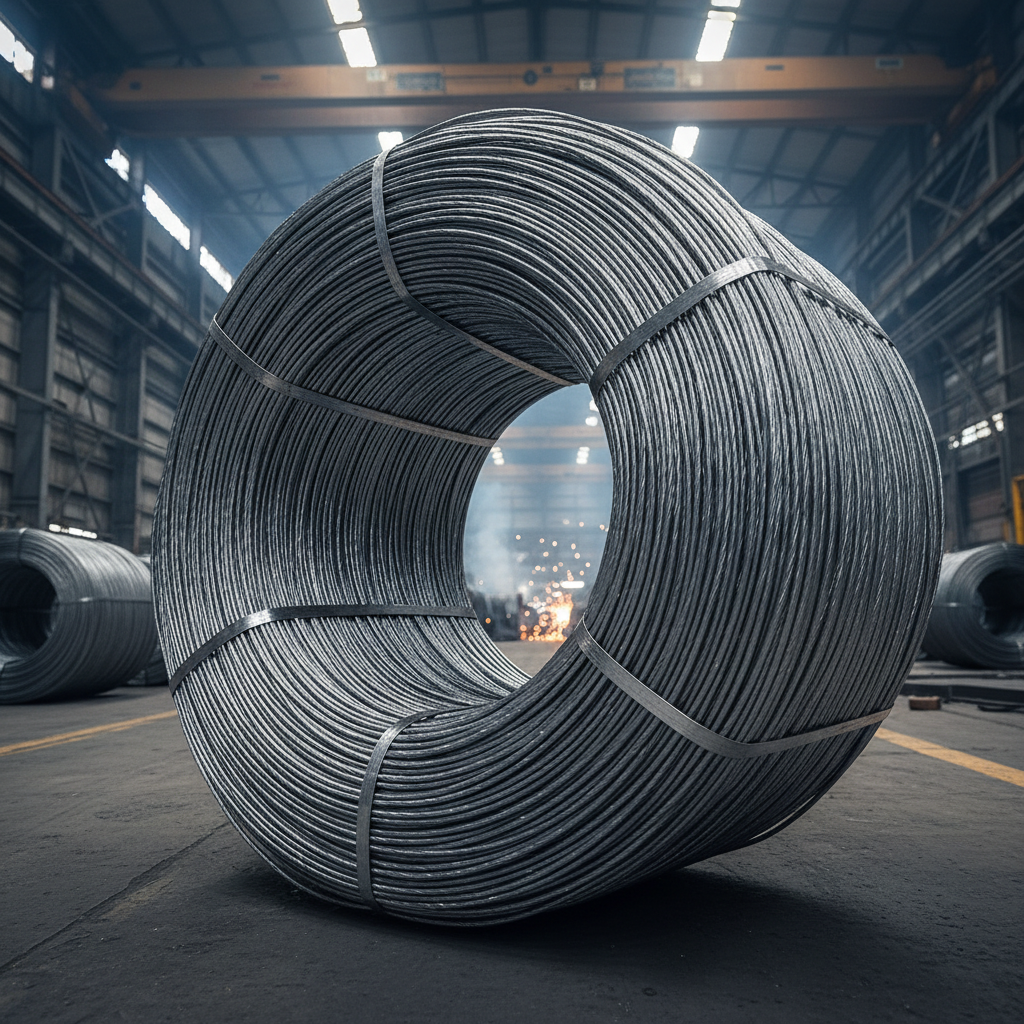
Galvanized rebar tie wire is a crucial, yet often overlooked, component in modern construction. It plays a vital role in securing rebar frameworks, ensuring structural integrity in everything from bridges and highways to residential buildings and commercial complexes. Its importance extends beyond simply holding materials together; it directly impacts the safety, durability, and longevity of the structures we rely on daily. Understanding its properties, applications, and future developments is essential for engineers, construction professionals, and anyone involved in infrastructure projects.
The global demand for robust and reliable construction materials is steadily increasing, fueled by population growth, urbanization, and infrastructure development in emerging economies. This demand directly translates to a growing need for high-quality galvanized rebar tie wire. Statistics from the World Bank indicate a consistent rise in global construction spending, particularly in Asia and Africa, highlighting the critical need for materials that can withstand harsh environmental conditions and ensure long-term performance. Failure to utilize appropriate tie wire can lead to structural failures, impacting lives and economies.
Galvanized rebar tie wire addresses these challenges by providing a cost-effective, corrosion-resistant solution for securing rebar during concrete pouring. This seemingly small component plays a significant role in ensuring the overall structural integrity of reinforced concrete projects. Its increasing adoption reflects a commitment to building safer, more durable, and sustainable infrastructure worldwide, aligning with global sustainability goals and reducing long-term maintenance costs.
Introduction to Galvanized Rebar Tie Wire
Galvanized rebar tie wire isn’t just a connecting element; it’s a crucial component in ensuring the structural integrity and longevity of reinforced concrete projects. Its robust design and corrosion-resistant properties make it indispensable in various construction applications globally. From securing rebar cages during prefabrication to maintaining their position during concrete pouring, this seemingly simple wire plays a significant role in safety and durability.
The selection of appropriate tie wire directly impacts the overall quality and lifespan of reinforced concrete structures. Using inferior materials can lead to premature corrosion, weakening the rebar cage and compromising the integrity of the concrete. Therefore, understanding the specifications and advantages of galvanized rebar tie wire is paramount for construction professionals seeking to deliver high-quality, long-lasting infrastructure.
Defining Galvanized Rebar Tie Wire
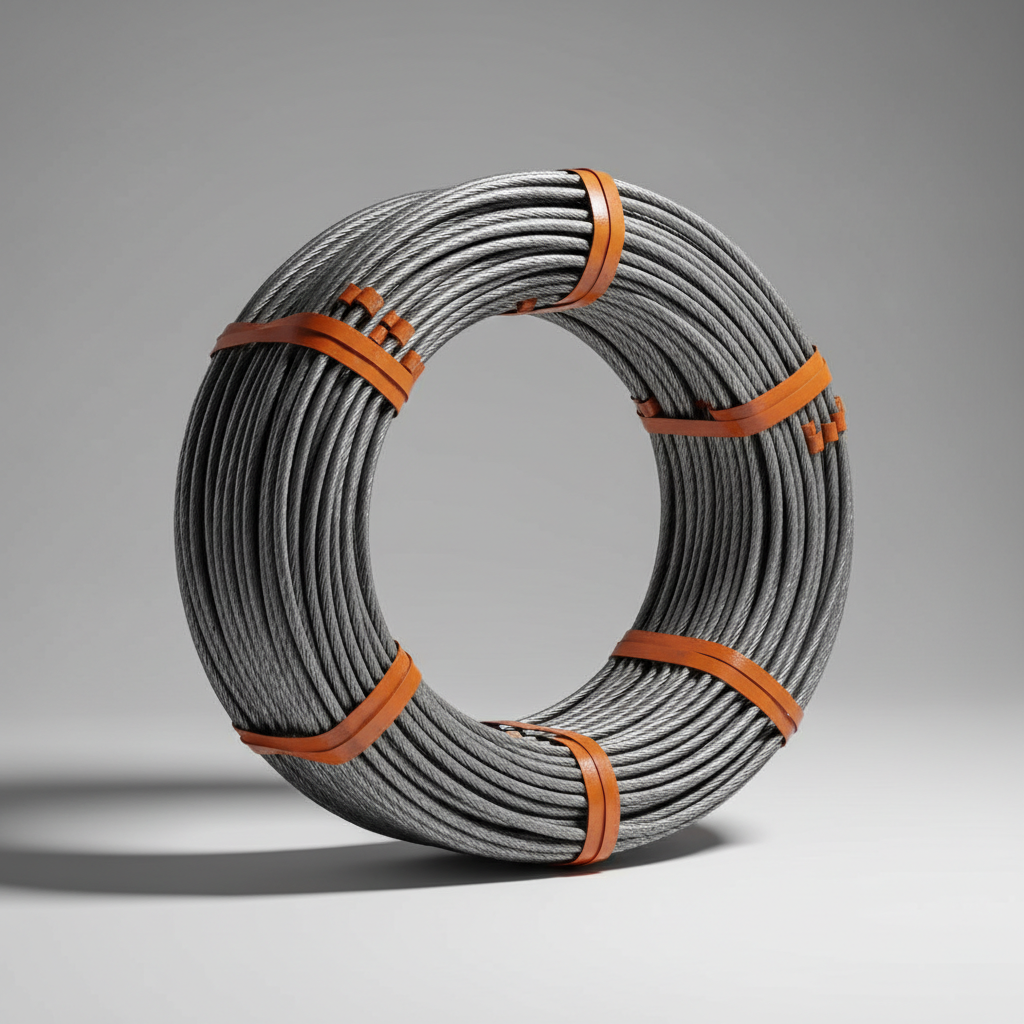
Galvanized rebar tie wire is a type of metallic wire used to bind reinforcing bars (rebar) together before and during the concrete pouring process. It is typically made from carbon steel that has been coated with a layer of zinc through a process called galvanization. This zinc coating provides crucial protection against corrosion, significantly extending the wire's lifespan, even in harsh environmental conditions. The wire is available in varying gauges (thicknesses) and lengths to suit different rebar sizes and project requirements.
The primary function of galvanized rebar tie wire is to maintain the precise positioning of the rebar within the concrete formwork. This accurate placement is critical for ensuring the concrete effectively reinforces the structure, providing the necessary tensile strength. Without proper tying, the rebar could shift during pouring, leading to weakened sections and potential structural failures.
The connection between galvanized rebar tie wire and modern industry is fundamental. As construction demands increase and infrastructure projects become more complex, the need for reliable and durable binding materials becomes paramount. It's a basic, yet essential, component contributing to the longevity and safety of the built environment.
Core Components and Properties
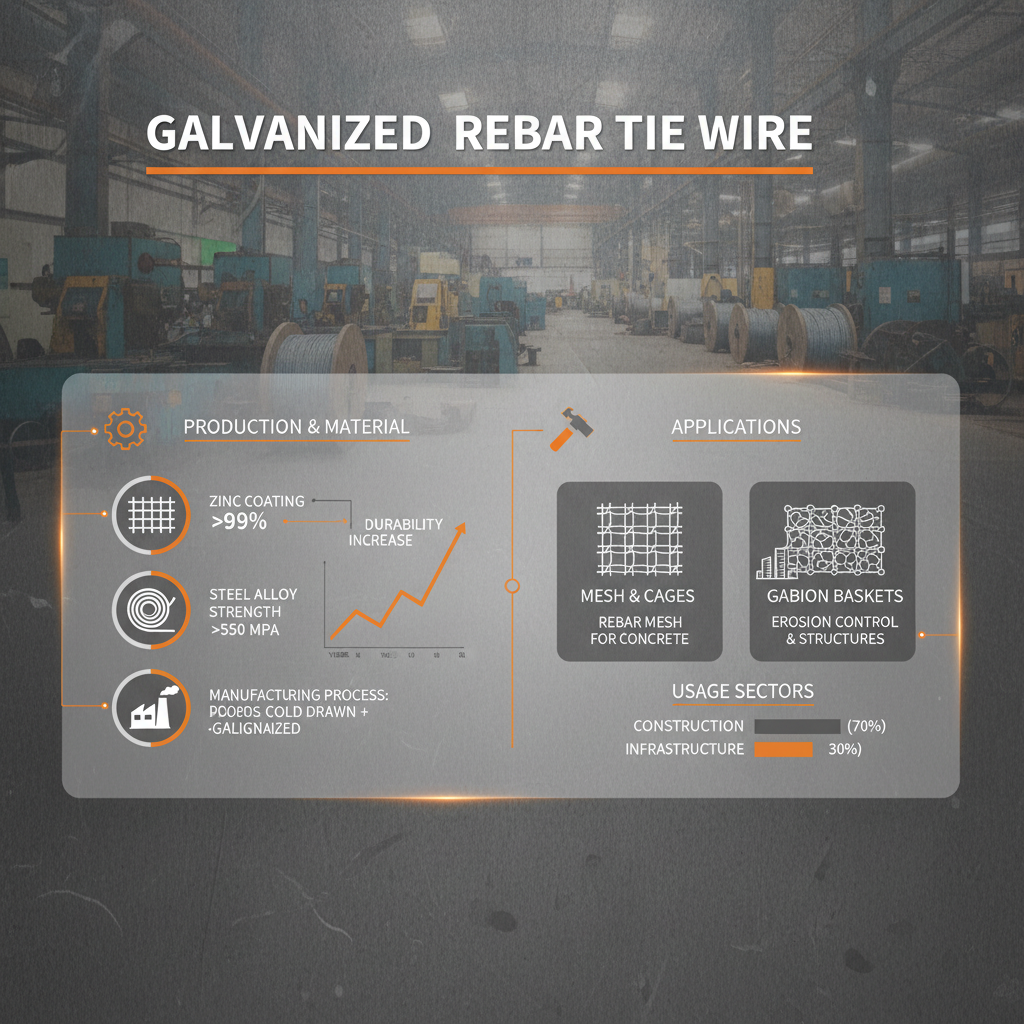
The defining characteristic of galvanized rebar tie wire is its zinc coating. This coating acts as a sacrificial anode, meaning it corrodes before the underlying steel, effectively protecting the steel from rust. The amount of zinc applied dictates the level of corrosion resistance; heavier coatings offer greater protection. Common galvanization methods include hot-dip galvanizing, electro-galvanizing, and zinc-aluminum alloy coatings, each offering varying degrees of performance and cost.
Beyond the zinc coating, the quality of the underlying steel itself is vital. High tensile strength steel ensures the wire can withstand the stresses of handling, tying, and concrete pouring without breaking. The wire’s ductility—its ability to bend and conform—is also important, allowing it to be easily manipulated around rebar intersections. Finally, the wire's gauge (diameter) must be appropriate for the size and spacing of the rebar being secured, ensuring sufficient strength and holding power.
Understanding these properties allows engineers and contractors to select the optimal galvanized rebar tie wire for specific project needs. Factors such as the climate, exposure to corrosive substances (like saltwater), and the intended lifespan of the structure should all influence the choice of wire gauge and galvanization method.
Key Advantages of Using Galvanized Tie Wire
The primary advantage of galvanized rebar tie wire is its superior corrosion resistance compared to uncoated steel wire. This resistance significantly extends the lifespan of the tie wire and, crucially, helps preserve the integrity of the rebar cage itself. This is especially important in environments prone to moisture, salt spray, or chemical exposure.
Furthermore, galvanized tie wire offers a cost-effective solution for rebar securing. While more expensive than plain steel wire initially, the extended lifespan and reduced maintenance costs associated with corrosion prevention often result in significant long-term savings. It's a proactive investment in structural durability.
Comparative Analysis of Galvanized Rebar Tie Wire Methods
Global Applications and Industry Use Cases
Galvanized rebar tie wire finds widespread application in virtually any project utilizing reinforced concrete. This includes major infrastructure projects like bridges, tunnels, and highways, where structural integrity is paramount. It is also heavily utilized in the construction of commercial buildings, residential complexes, and industrial facilities. In coastal regions, where exposure to saltwater is a significant concern, galvanized tie wire is essential for preventing premature corrosion of rebar.
Its application extends beyond large-scale construction. Precast concrete manufacturers rely on galvanized tie wire to securely assemble rebar cages before concrete pouring. Furthermore, in post-disaster relief operations, galvanized rebar tie wire can be crucial for quickly constructing temporary shelters and repairing damaged infrastructure. Its availability and ease of use make it a valuable resource in emergency situations.
The use of galvanized rebar tie wire is mandated by building codes and standards in many countries, reflecting its recognition as a vital component of safe and durable construction.
Long-Term Value and Sustainability
The long-term value of utilizing galvanized rebar tie wire stems from its contribution to structural longevity and reduced maintenance costs. By preventing corrosion and preserving the integrity of the rebar cage, it minimizes the need for costly repairs and replacements down the line. This contributes to a lower lifecycle cost for the entire structure. The initial investment in higher-quality tie wire translates into significant savings over the building's lifespan.
From a sustainability perspective, the use of galvanized rebar tie wire aligns with principles of resource conservation and responsible construction. Extending the lifespan of concrete structures reduces the demand for new materials and minimizes construction waste. The zinc coating itself is recyclable, further contributing to a circular economy approach.
Future Trends and Innovations in Tie Wire Technology
Ongoing research and development are focused on enhancing the performance and sustainability of rebar tie wire. This includes exploring alternative coatings beyond traditional zinc galvanization, such as zinc-aluminum alloys with improved corrosion resistance. Furthermore, innovations in wire manufacturing processes aim to increase tensile strength and ductility while reducing material costs.
The integration of smart technologies, such as sensors embedded within the tie wire, could provide real-time monitoring of corrosion levels and structural stress. This data-driven approach would enable proactive maintenance and prevent catastrophic failures. Furthermore, advancements in automation are streamlining the rebar tying process, increasing efficiency and reducing labor costs.
The trend towards more sustainable construction practices will continue to drive innovation in tie wire technology, with a focus on reducing environmental impact and extending the lifespan of reinforced concrete structures.
Summary of Factors Influencing Galvanized Rebar Tie Wire Selection
| Corrosion Environment |
Rebar Diameter |
Budget Constraints |
Project Lifespan |
| High salinity/Chemical Exposure |
#4 - #8 (1/2" - 1") |
Low |
20-30 years |
| Moderate Humidity |
#3 - #6 (3/8" - 3/4") |
Medium |
50-75 years |
| Dry Inland Climate |
#2 - #5 (1/4" - 5/8") |
High |
75+ years |
| Industrial Environment |
#5 - #9 (5/8" - 1 1/8") |
Medium |
40-60 years |
| Marine Structures |
#6 - #11 (3/4" - 1 1/4") |
Low |
100+ years |
| Underground Applications |
#3 - #7 (3/8" - 7/8") |
Medium |
60-80 years |
FAQS
In a coastal environment, where exposure to saltwater is high, the lifespan of galvanized rebar tie wire can vary significantly depending on the thickness of the zinc coating and the prevailing environmental conditions. Typically, a high-quality galvanized tie wire with a substantial zinc coating can provide 20-30 years of corrosion protection, but regular inspections are recommended to identify and address any signs of deterioration. Properly maintained structures can see even longer lifespans.
The gauge of galvanized rebar tie wire directly correlates to its tensile strength. A thicker gauge wire possesses a higher tensile strength, meaning it can withstand greater stress before breaking. Selecting the appropriate gauge is crucial; too thin a wire may not adequately secure the rebar, while too thick a wire can be difficult to manipulate. Consult engineering specifications for guidance on the correct gauge for your application.
Yes, galvanized rebar tie wire is generally suitable for use with epoxy-coated rebar. However, it’s crucial to ensure the galvanized coating doesn't damage the epoxy coating during tying. It’s recommended to use tie wire with rounded edges and apply gentle tying techniques to avoid scratching or chipping the epoxy, which could compromise the corrosion protection of the rebar.
While zinc galvanization provides excellent corrosion protection, it's important to consider environmental impacts. The galvanization process can generate some waste products, and zinc itself is a heavy metal. However, modern galvanizing facilities adhere to strict environmental regulations to minimize waste and ensure responsible disposal. Furthermore, the longevity provided by galvanized steel reduces the need for frequent replacements, offsetting some of the initial environmental cost.
Determining the correct amount of tie wire requires careful planning and consideration of the rebar spacing, layout, and tying method. As a general guideline, approximately 2-3 ties are needed per rebar intersection. A detailed rebar schedule and a thorough review of the project drawings will allow for an accurate estimate. It’s always advisable to order slightly more than estimated to account for waste and potential errors.
Hot-dip galvanizing involves immersing the steel wire in a bath of molten zinc, resulting in a thicker, more durable coating with excellent corrosion resistance. Electro-galvanizing uses an electric current to deposit a thinner zinc coating. While electro-galvanizing is often more aesthetically pleasing, hot-dip galvanizing generally offers superior long-term protection and is preferred for demanding applications like reinforced concrete structures exposed to harsh environments.
Conclusion
In conclusion, galvanized rebar tie wire remains an indispensable component in modern construction, providing a cost-effective, reliable, and corrosion-resistant solution for securing rebar frameworks. Its importance extends beyond merely holding materials together; it contributes directly to the safety, durability, and longevity of critical infrastructure projects worldwide. Understanding its properties, applications, and the evolving technologies surrounding its production is vital for all stakeholders involved in the construction industry.
Looking ahead, continued innovation in tie wire technology, driven by sustainability concerns and the demand for more durable infrastructure, promises to further enhance its performance and reduce its environmental impact. We encourage you to explore our comprehensive range of high-quality galvanized rebar tie wire products and solutions. Visit our website at www.wiremeshpro.com to learn more and discover how we can support your next project.

 Phone:
 Email: