-
 Phone:
 -
 Email:
The global need for efficient bundling and securing of materials has driven demand for high-quality baling wire across numerous industries. From agriculture and recycling to industrial waste management, the ability to compress and contain materials for transportation and storage is paramount. Understanding the nuances of buy baling wire – its types, strengths, and applications – is crucial for optimizing operational efficiency and reducing costs. This understanding extends beyond mere procurement; it impacts logistics, sustainability efforts, and overall supply chain management.
The demand for robust baling wire solutions is directly linked to global economic activity and waste generation patterns. As industries produce more materials, the need for effective containment and transportation solutions grows exponentially. Furthermore, increasing emphasis on recycling and resource recovery requires reliable baling wire to create dense, manageable bales of recyclable materials. The availability of durable and cost-effective buy baling wire is therefore vital for supporting sustainable practices and maintaining a circular economy.
This guide delves into the intricacies of baling wire, offering a comprehensive overview of its properties, applications, advantages, and future trends. Whether you’re a procurement manager, a recycling facility operator, or simply looking to understand the importance of effective material bundling, this resource will provide valuable insights into the world of buy baling wire.
Baling wire serves as a foundational element in a vast range of industrial processes. Its primary function – securely compressing materials into manageable bales – is critical for efficient handling, storage, and transportation. The efficiency offered by well-chosen buy baling wire directly impacts bottom-line profitability for businesses across sectors like agriculture, recycling, and manufacturing.
The importance extends beyond cost savings. Proper baling ensures material integrity during transit, minimizing waste and preserving value. Furthermore, the selection of appropriate baling wire contributes to safer working conditions, reducing risks associated with loose or unstable materials. Therefore, investing in high-quality buy baling wire is not merely an expense, but a strategic investment in operational effectiveness and safety.
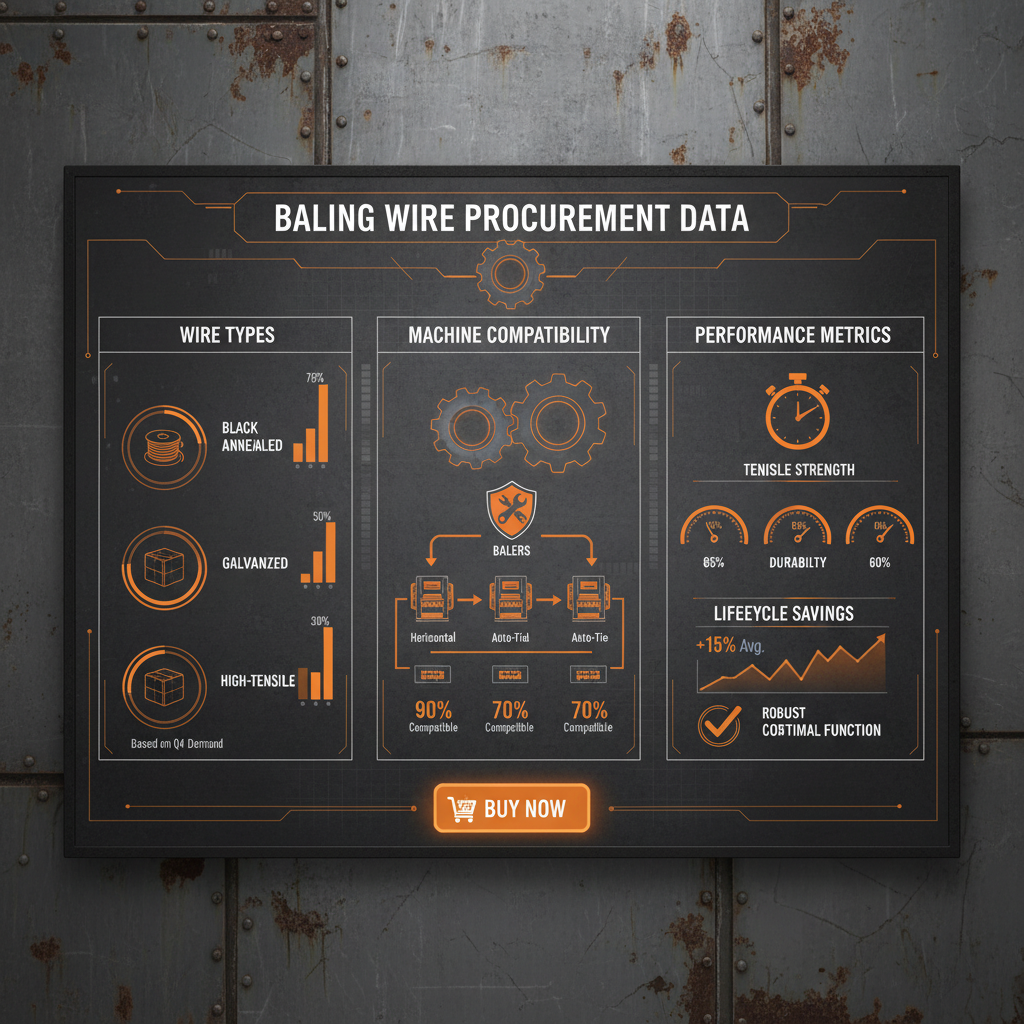
For recycling cardboard, high-tensile steel baling wire is generally recommended. It provides the necessary strength to compress the cardboard into dense bales suitable for transportation and processing. Galvanized steel wire is often preferred to resist corrosion from moisture often present in cardboard waste streams. Consider the gauge (thickness) of the wire; a heavier gauge provides greater strength, but may require more effort to apply. buy baling wire from a reputable supplier will ensure consistent quality.
The correct baling wire gauge depends on the material being baled and the baling equipment used. Heavier materials like scrap metal require a thicker gauge wire for adequate compression and security. Lighter materials, like plastic film, can be effectively baled with a thinner gauge. Refer to your baling equipment manufacturer’s recommendations for guidance. A general rule is to start with a heavier gauge and decrease if it’s unnecessarily difficult to work with.
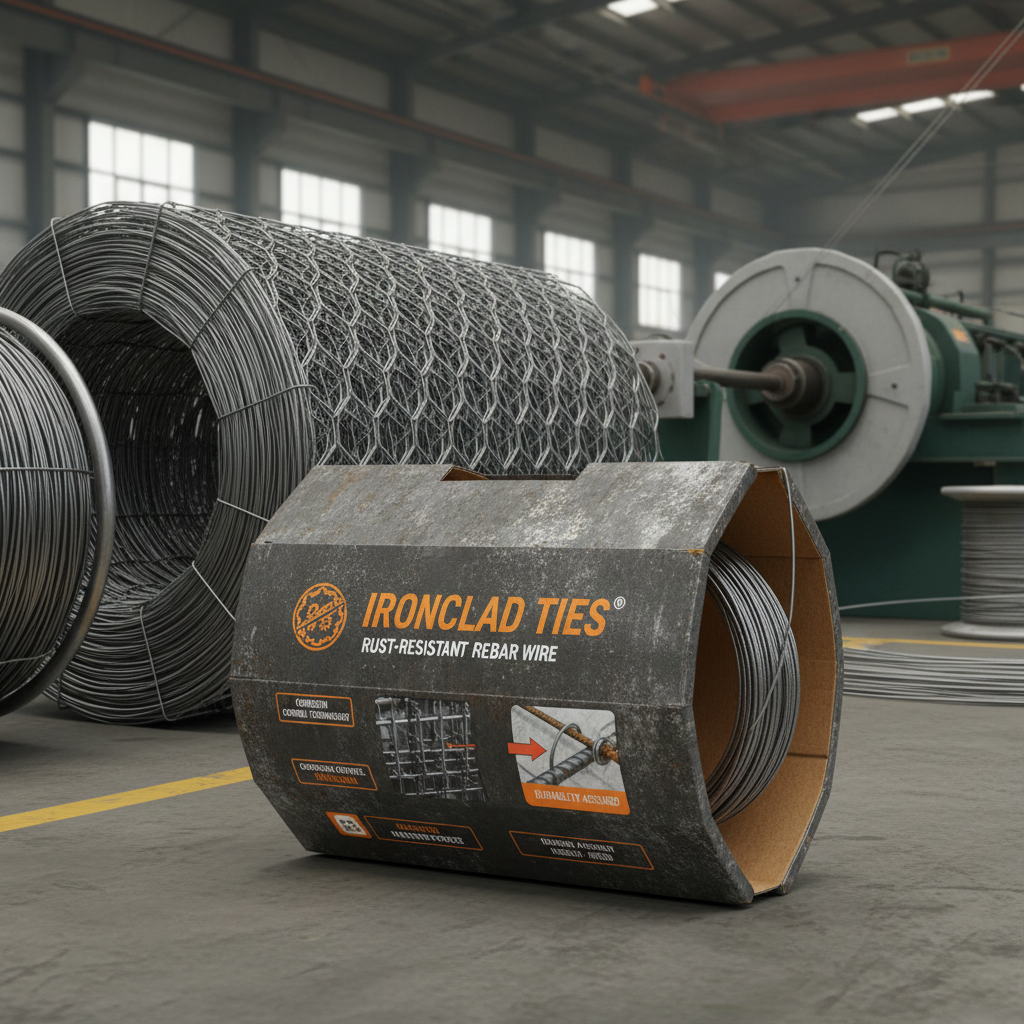
Galvanized baling wire is steel wire coated with a layer of zinc. This zinc coating provides excellent corrosion resistance, making it ideal for applications where the wire will be exposed to moisture or harsh environments. This is particularly important for outdoor storage of bales or in recycling facilities where materials can be damp. buy baling wire galvanized offers longer bale life and reduced risk of wire breakage.
Baling wire, especially high-tensile steel, can have sharp edges. Always wear appropriate personal protective equipment (PPE), including gloves and eye protection, when handling the wire. Avoid uncoiling the wire quickly, as it can snap back. Use proper cutting tools designed for baling wire, and ensure they are in good working condition. Store baling wire in a safe, organized manner to prevent accidents.
Consider choosing baling wire made from recycled materials, such as recycled steel. This reduces the environmental impact associated with raw material extraction. Also, opting for a durable wire that extends bale life minimizes the need for frequent replacements, reducing waste. Finally, explore biodegradable options as they become more widely available, though performance trade-offs may exist.
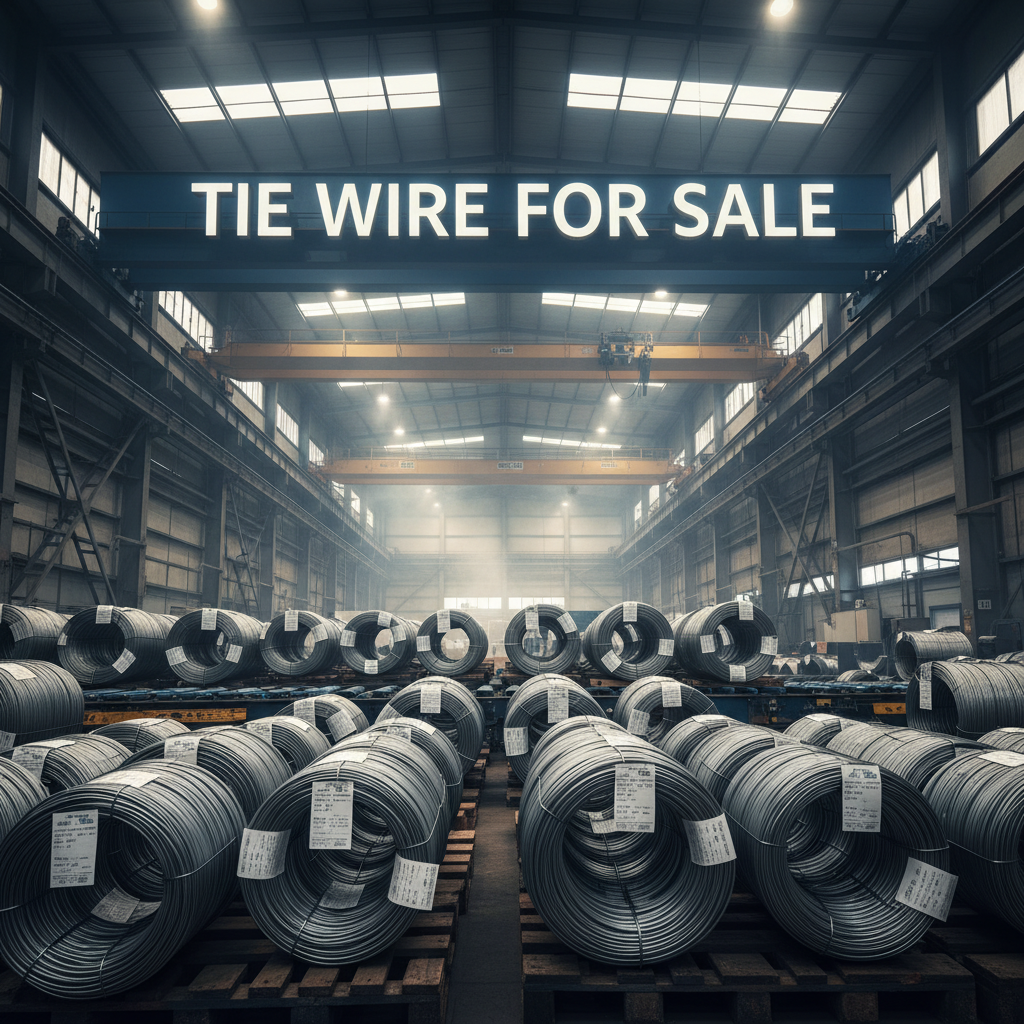
Several suppliers specialize in providing baling wire in bulk quantities. Look for suppliers with a proven track record of quality, competitive pricing, and reliable delivery. Check online marketplaces and industrial supply websites. It’s essential to verify the wire’s specifications (gauge, tensile strength, coating) to ensure it meets your requirements. buy baling wire directly from manufacturers or authorized distributors for the best deals.
In conclusion, the proper selection and application of baling wire are integral to the efficient operation of numerous industries. From optimizing recycling processes and securing agricultural products to managing industrial waste and facilitating disaster relief, the benefits of utilizing high-quality buy baling wire are undeniable. Understanding the key characteristics, emerging trends, and practical considerations discussed in this guide empowers businesses to make informed decisions and maximize their return on investment.
Looking ahead, innovation in materials and technology promises to further enhance the performance and sustainability of baling wire. By embracing these advancements and prioritizing responsible sourcing practices, we can ensure that baling wire continues to play a vital role in a more efficient and environmentally conscious future. Visit our website today to explore our wide range of baling wire solutions: www.wiremeshpro.com.