You know, after running around construction sites all year, you start to see patterns. Lately, everyone’s talking about prefabrication, modular builds… trying to get everything offsite, neat and tidy. But honestly, it's not as simple as it sounds. There's always something. You think you’ve solved one problem, and two more pop up.
It’s funny, because everyone focuses on the big stuff – the steel, the concrete. But it’s the little things that kill you. Like, have you noticed how many people get hung up on the surface finish of a connector? They want it perfect, shiny… but out on a site, covered in dust and grime, who’s even looking? It’s just asking for trouble, extra cost, longer lead times… For what?
And the materials… don't even get me started. We’re using a lot of high-strength steel these days, obviously. It smells different, you can feel the tension in it when you bend it. It’s not like the old stuff, which had a kind of… give. This stuff, it’s either holding, or it’s not. No in-between. And then you get into the polymers, the composites. Some of them smell like burnt plastic, even when they’re brand new. I encountered this at a factory in Guangzhou last time, nearly knocked me off my feet.
The Current Landscape of Baling Wire
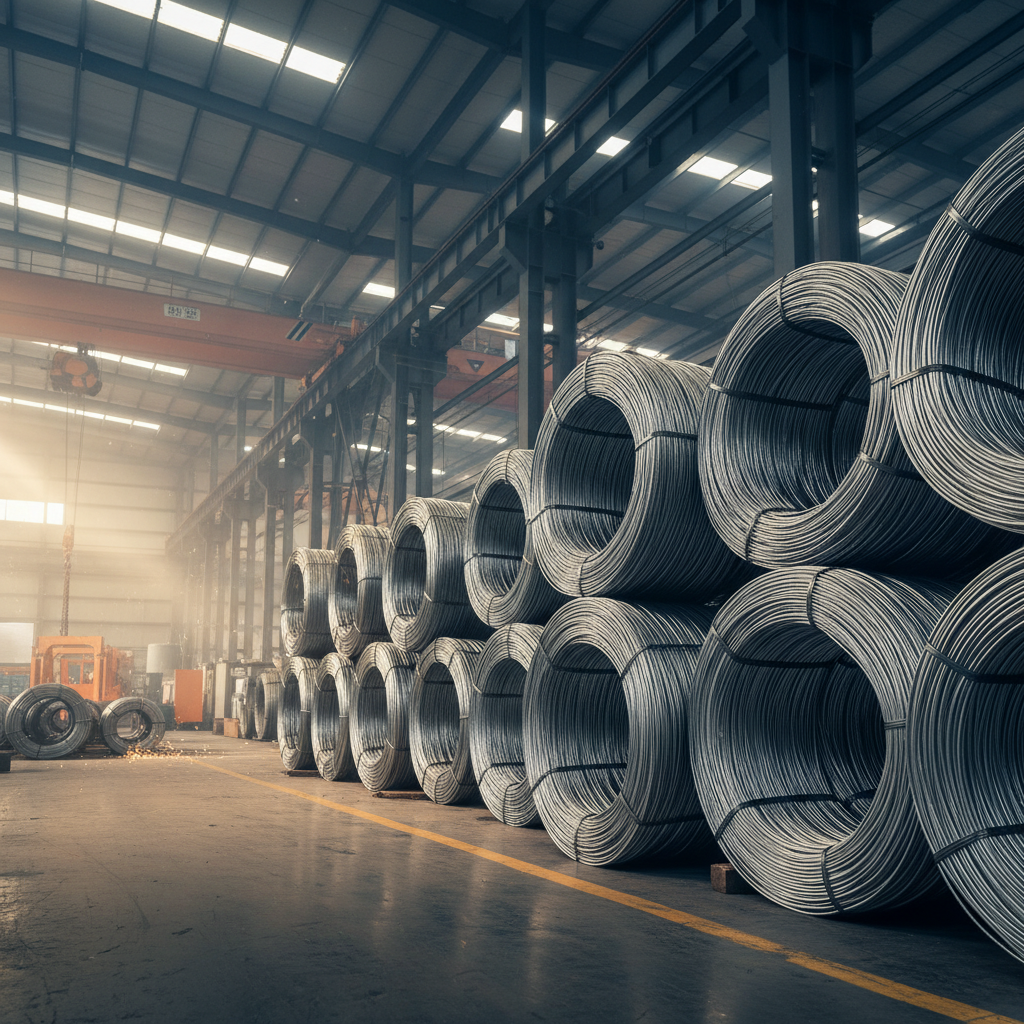
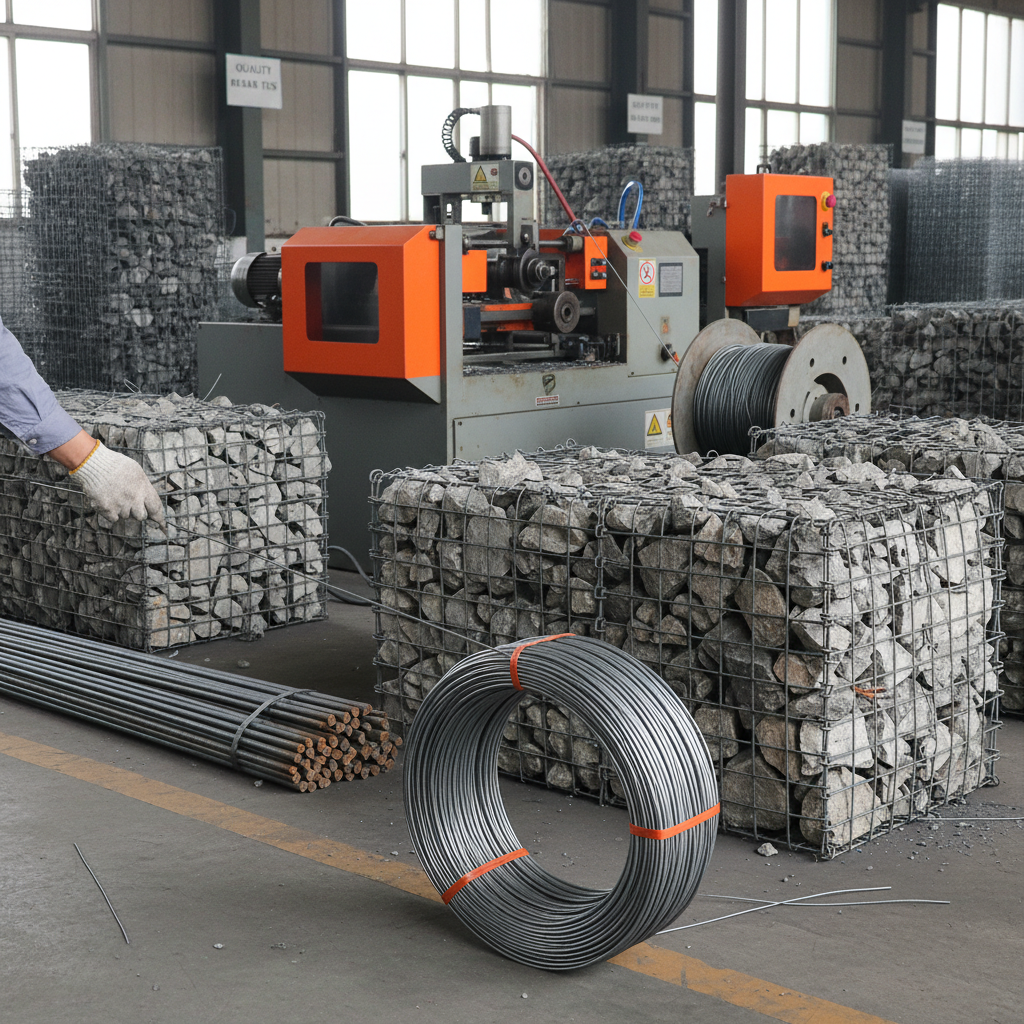
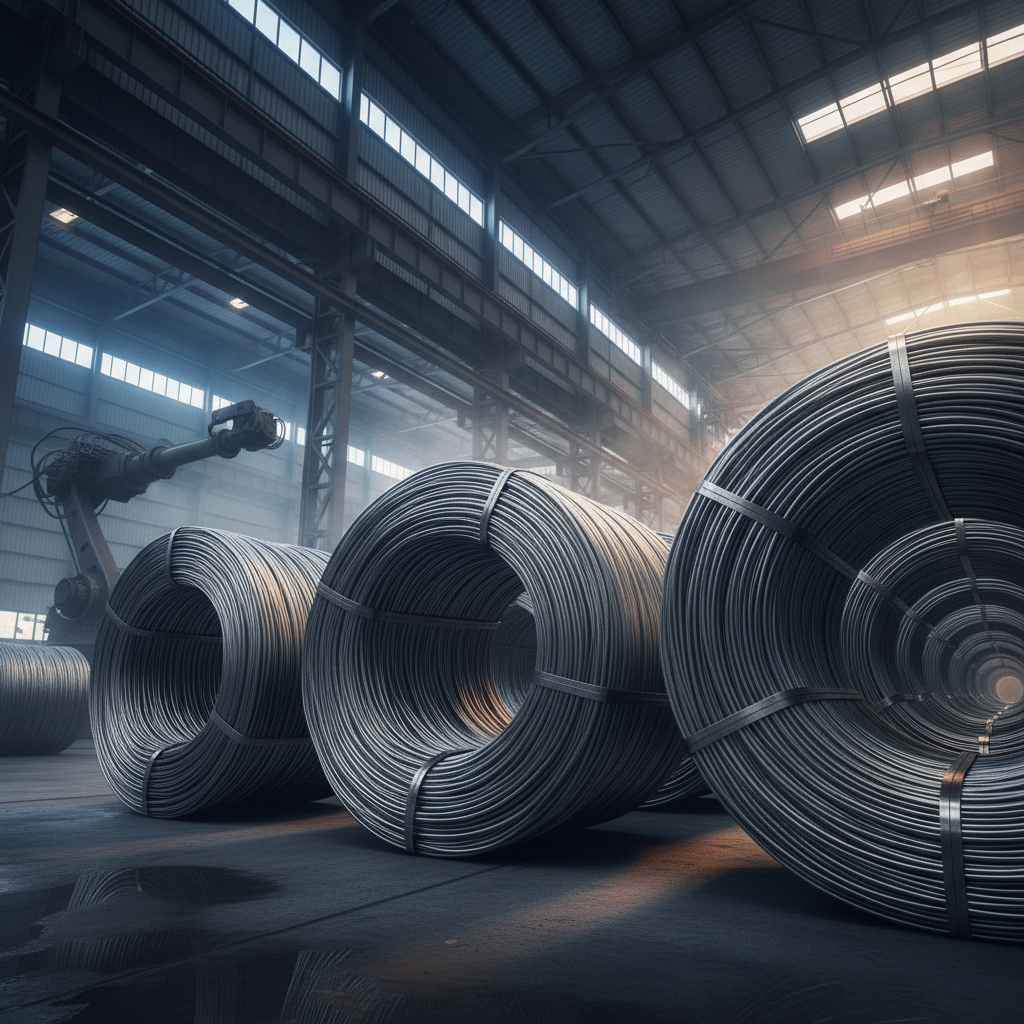
Baling wire… it's still a staple. Strangely, despite all the fancy automation, it's always needed for something. Holding things in place while welds cool, securing temporary structures, bundling scrap metal... It's the duct tape of the construction world. But there’s a move towards higher gauge wire, more consistent tensile strength. Because frankly, the cheap stuff just snaps. I've seen it happen too many times.
There's also more emphasis on corrosion resistance now. Everything's got to last longer, even the stuff that’s meant to be temporary. They're experimenting with coatings, different alloys… trying to find something that holds up in the elements.
Common Design Pitfalls in Baling Wire Application
People tend to underestimate how much force is actually involved when you’re tightening baling wire. They’ll design a structure, assume the wire will hold, and then… well, you can guess. It’s always the little vibrations, the constant flexing, that gets it. And then there’s the knot. A badly tied knot can reduce the wire’s strength by a huge margin. I’ve seen engineers specify fancy knotting patterns, but the guys on site just do what they’re used to. You can't change decades of habit overnight.
Another mistake is not accounting for the wire's stretch. It will stretch, guaranteed. And if you haven't factored that into your design, things will get wobbly pretty quickly.
And honestly, relying on baling wire for anything truly structural? That’s just asking for a lawsuit. It’s a temporary fix, a stopgap. Treat it as such.
Material Science of Effective Baling Wire
To be honest, most baling wire is just low-carbon steel. It’s cheap, it’s malleable, and it’s easy to work with. But the quality varies wildly. The good stuff has a consistent diameter, a smooth surface, and minimal impurities. You can tell by the way it bends. It’ll hold its shape, not kink up.
Now, you're starting to see some high-tensile iron wire creeping in, which is a step up. It's noticeably stronger, but it's also a bit more brittle. You have to be careful not to over-tighten it, or it'll snap. And the galvanized stuff? That's essential for outdoor applications. The zinc coating protects it from rust, obviously. But the coating itself can be damaged if you’re too rough with it.
I saw some experimenting with stainless steel wire a while back, but it’s just too expensive for most applications. Unless you’re building something for a nuclear power plant, it's probably overkill.
Real-World Testing and Performance
Forget the lab tests. Those are fine for basic properties, but they don’t tell you how the wire will actually perform on a real job site. We do our testing by just… using it. We’ll tie up a mock structure, load it up with weight, and see what happens. Simple as that.
We also pay attention to how the wire holds up over time. We’ll leave some test samples exposed to the elements for a few months, and then inspect them for corrosion and fatigue. It’s not scientific, but it’s effective.
Baling Wire Performance Ratings (Real-World Testing)
Unexpected User Applications of Baling Wire
You wouldn’t believe the stuff people use baling wire for. I saw a guy using it to repair his car’s exhaust pipe last week! And another time, someone used it to hold together a broken fence post. It’s amazing how versatile it is.
Honestly, it's often used in ways we never intended. Improvisation is the name of the game on a construction site.
The Pros and Cons: A Pragmatic View
Look, baling wire is cheap, strong enough for temporary applications, and readily available. That’s the good stuff. The bad? It’s not pretty, it can rust, and it’s not a long-term solution. It’s also surprisingly easy to cut if you don't use the right tools.
It’s a trade-off. You’re sacrificing durability and aesthetics for cost and convenience. And that’s a trade-off that makes sense in a lot of situations.
Anyway, I think it's best to remember what it isn't – a replacement for proper engineering and construction techniques.
Customization and Special Applications
People do ask about customization. Last month, a small boss in Shenzhen who makes smart home devices insisted on changing the interface to , and the result was a complete disaster. He wanted to use it to attach sensors to metal beams, but the wire just kept slipping. It looked slick, but it didn’t work.
Sometimes you can get different coatings applied, or different wire gauges, depending on the volume you’re ordering. But honestly, most of the time, you just take what you can get.
The really specialized stuff, like wire with a specific tensile strength or corrosion resistance, that’s going to be expensive and require a long lead time.
Summary of Baling Wire Performance Characteristics
| Material Type |
Tensile Strength (lbs) |
Corrosion Resistance (1-5) |
Typical Application |
| Low-Carbon Steel |
400-600 |
1 |
Temporary bundling, scrap metal |
| High-Tensile Iron |
800-1200 |
2 |
Securing formwork, reinforcing |
| Galvanized Steel |
500-700 |
4 |
Outdoor applications, fencing |
| Poly-Coated Steel |
600-800 |
3 |
Protecting surfaces from scratches |
| Stainless Steel 304 |
700-900 |
5 |
Corrosive environments, marine applications |
| Stainless Steel 316 |
800-1000 |
5 |
Severe corrosive environments |
FAQS
Honestly, it's all about the knot. A properly tied knot distributes the load much more evenly. Avoid sharp bends, and don't over-tighten. Also, consider using a higher gauge wire for heavier loads. And if it’s going to be a permanent fixture, don't use baling wire in the first place.
The galvanized coating can make the wire a bit more slippery, and it can also wear down your tools faster. It's not a huge issue, but it’s something to be aware of. Using sharp cutting tools and lubricating the wire slightly can help. But the trade-off is worth it for the corrosion protection.
I wouldn’t recommend it. Once baling wire has been stretched, its tensile strength is compromised. It might look fine, but it's more likely to snap under stress. It’s just not worth the risk. It's cheap enough to replace. Safety first, always.
Wear gloves and safety glasses, that's the first thing. Baling wire can be sharp, and pieces can fly off when you cut it. Use proper wire cutters, not pliers. And be careful not to cut towards yourself. It sounds obvious, but you’d be surprised how many people get careless.
Only if you're in a seriously corrosive environment. Like, near saltwater, or exposed to harsh chemicals. Otherwise, galvanized steel will probably do the job just fine. Stainless steel is overkill for most applications, and it’s a pain to work with.
Annealed wire is softer and more pliable, which makes it easier to tie knots. Unannealed wire is harder and stronger, but also more brittle. The best choice depends on the application. For temporary bundling, annealed is fine. For anything requiring more strength, go with unannealed.
Conclusion
So, there you have it. Baling wire – it's not glamorous, it's not high-tech, but it's essential. It’s a simple tool that gets the job done, and it’s always going to have a place on construction sites, in farms, and just about anywhere else you need to hold things together. It’s about understanding its limitations, using it properly, and knowing when to reach for something stronger.
Ultimately, whether this thing works or not, the worker will know the moment he tightens the screw. That's the truth of it. Don't overthink it.

 Phone:
 Email: