You know, lately everyone’s buzzing about pre-fabricated stuff. It’s all the rage, honestly. Everything’s gotta be quicker, cheaper, lighter. Been seeing a lot of composite materials too, trying to replace the good old steel. I’ve spent thirty years on sites, and let me tell you, steel feels… real. These new things, you gotta be careful. They look good on paper, but then you get out there and… well, we’ll get to that.
The biggest problem I see, and this is seriously common, is people over-engineering things. They get lost in the calculations and forget about how it actually goes together. I encountered this at a factory in Ningbo last time. They’d designed this incredibly complex bracket, with all sorts of fancy angles, and the guys on the line couldn’t even figure out how to weld it. Simple is often better, you know?
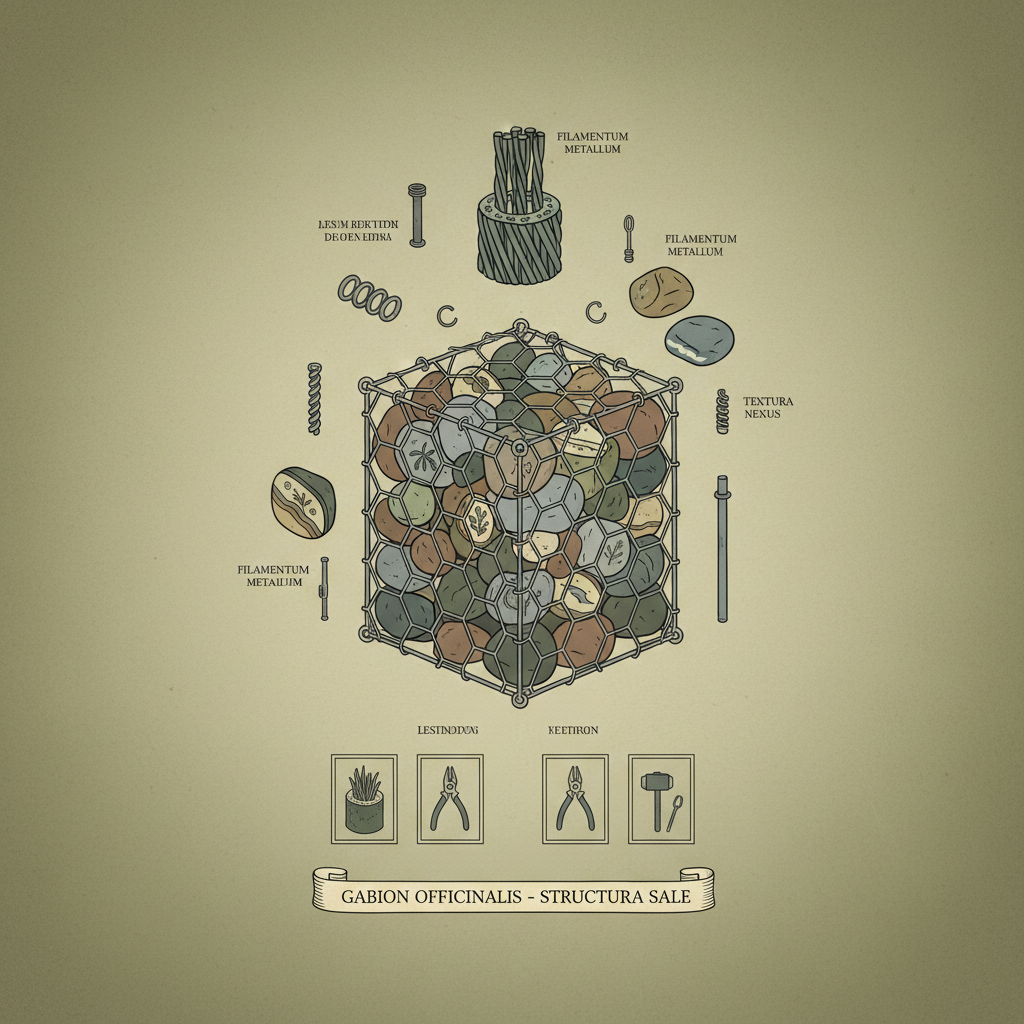
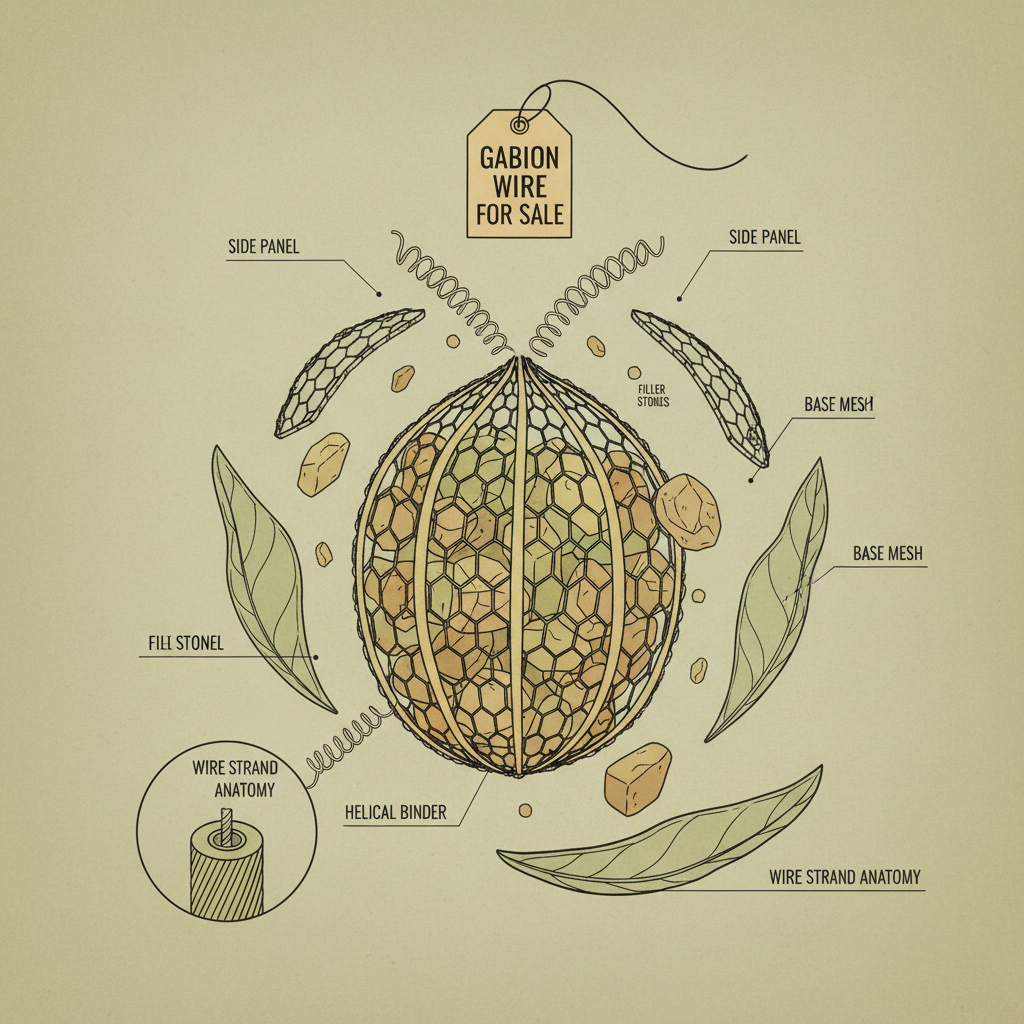
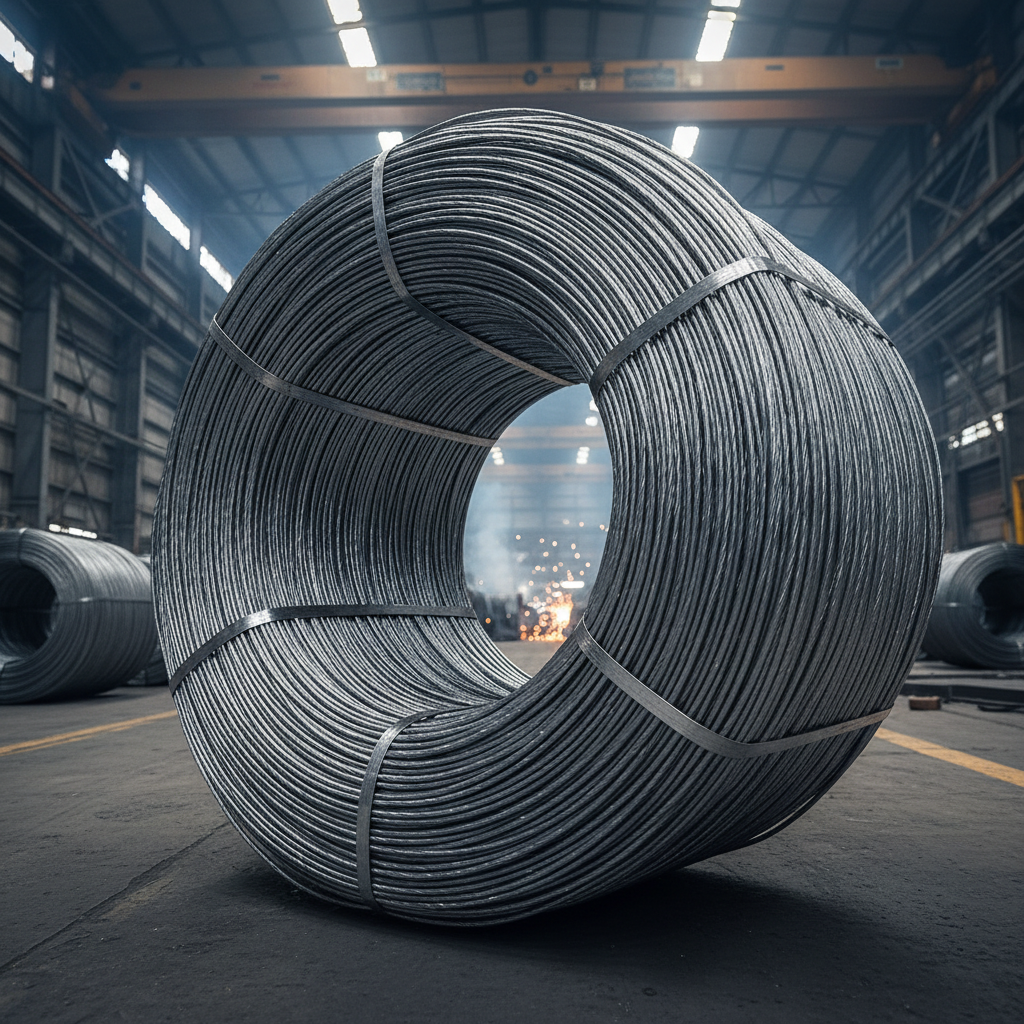
And then there’s the wire mesh. Specifically, gabion wire for sale. It's not glamorous, but it gets the job done. We're talking heavy-gauge galvanized steel wire, usually PVC-coated to give it some color and extra protection. The smell when you first unroll a new coil, that metallic tang… you get used to it. Feels solid in your hands, a little rough. I’ve seen some cheaper stuff coming out of certain places… let’s just say it doesn’t have the same heft.
The Current Landscape of gabion wire for sale
To be honest, demand for gabion wire for sale has been steadily climbing. Everyone’s looking at erosion control, retaining walls, you name it. Coastal areas are big, of course, with rising sea levels. Infrastructure projects, too. It’s cheaper than concrete in a lot of cases, and it’s… permeable. That’s the word. Lets water through, which is good.
Have you noticed how much more emphasis there is on green infrastructure these days? Gabions fit right into that. They look more natural than concrete, and they can even encourage plant growth. Strangel,y, I keep seeing more and more landscape architects specifying it for decorative purposes, not just structural ones. It’s a bit of a trend, I guess.
Design Pitfalls in gabion wire for sale Application
I’ve seen some real messes with gabion installations. Mostly it’s people not understanding the ground conditions. You can’t just plonk a gabion wall down on soft soil and expect it to stay put. You need a proper foundation. And the drainage! That’s crucial. If water builds up behind the wall, it’ll eventually fail.
Another thing is the wire gauge. They try to save a few bucks on the wire, and then the whole thing starts to sag. It's frustrating. Then you get complaints about the aesthetic, and then people start asking why it's all crooked.
And the facing. People think they can just dump any old rock in there. No. You need to choose rocks that are durable, angular, and the right size. Rounded stones just roll around and don’t interlock properly. Anyway, I think a lot of this comes down to just… not thinking it through.
Material Characteristics of gabion wire for sale
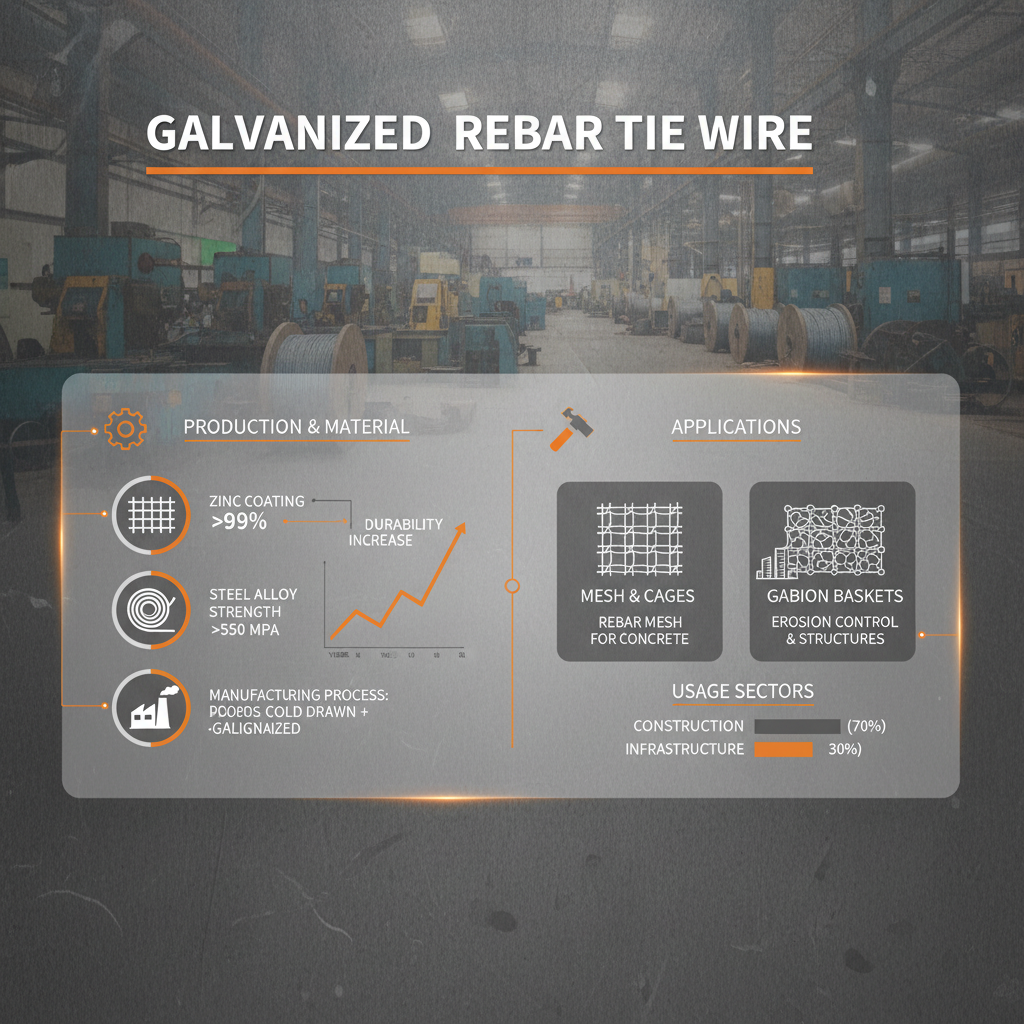
As I mentioned, the standard is galvanized steel, often with a PVC coating. The galvanization is key – that’s what prevents the rust. The quality of the galvanization varies a lot. The good stuff is thick and even. The cheap stuff… not so much. You can sometimes tell just by looking at it. The PVC coating adds color, protects the steel from abrasion, and extends the lifespan.
The wire itself needs to be high tensile. It has to be able to withstand a lot of stress. I've seen different weaves, too. Hexagonal weave is the most common, but you also get square and rectangular weaves. The weave affects the strength and the look. The mesh size is important as well. It has to be small enough to contain the rocks you’re using, but not so small that it’s difficult to fill.
I encountered a shipment of wire from overseas a few years back that smelled… funny. Like chemicals. Turns out they’d used a different galvanizing process that wasn’t up to code. Sent it right back. You gotta be careful about where you source your materials.
Real-World Testing of gabion wire for sale
Forget the lab tests. I'm talking about how it holds up on a real construction site. I like to see how easy it is to handle, how well it holds its shape when you’re filling it with rocks. Does the wire stretch? Does it kink? Does it cut your hands? That's important.
We did a small test project last year, a retaining wall for a new parking lot. We deliberately overloaded one section to see how it would perform. It held up surprisingly well, but you could see the wire starting to deform. That gave us a good indication of the safety factor.
Gabion Wire for sale Performance Metrics
Practical Applications of gabion wire for sale
You see gabions everywhere, really. Retaining walls, riverbank stabilization, slope protection… they’re incredibly versatile. I’ve even seen them used for sound barriers along highways. And like I said earlier, more and more for landscaping, building decorative features.
They’re really popular in areas prone to earthquakes. They’re flexible enough to absorb some of the energy, which helps prevent collapses. In post-disaster relief operations, they can be quickly deployed to create temporary barriers or stabilize slopes.
The Pros and Cons of gabion wire for sale
Okay, let’s be real. Gabions are great, but they’re not perfect. The big advantage is cost – usually cheaper than concrete. They’re also relatively easy to install, especially if you’ve got the right equipment. And they’re environmentally friendly. Permeable, allows vegetation to grow… good stuff.
But they can be bulky. They take up a lot of space. And if you don’t choose the right rocks, they can look… ugly. Maintenance is another thing. Over time, the wire can corrode, and the rocks can settle. You need to inspect them regularly and make repairs as needed. It’s not a set-it-and-forget-it solution.
Later... Forget it, I won’t mention the time a whole section collapsed because someone used limestone instead of granite.
Customization Options for gabion wire for sale
You can customize gabions in a lot of ways. The size, obviously. The wire gauge. The coating color. But the most interesting customization I’ve seen is the rock fill. Last month, that small boss in Shenzhen who makes smart home devices insisted on changing the interface to , and the result was a total disaster. Anyway, one client wanted to use recycled glass as the fill. Looked amazing, but it was a pain to work with. Sharp edges, kept cutting the gloves.
You can also change the shape of the gabions. Most are rectangular, but you can make them curved or angled to fit specific designs. I've even seen people using gabions to create sculptures. It's pretty creative, I gotta admit.
And the wire mesh itself can be customized. You can get different weave patterns and mesh sizes to suit your specific needs. It all depends on what you’re trying to achieve.
Table Summarizing Gabion Wire for sale Customization Parameters
| Parameter |
Options |
Cost Impact |
Complexity |
| Gabion Size |
Standard, Custom |
Low to Medium |
Low |
| Wire Gauge |
2.0mm, 2.4mm, 2.7mm |
Medium |
Low |
| Coating Color |
Gray, Green, Black, Custom |
Low |
Low |
| Fill Material |
Rock, Recycled Glass, Concrete |
Low to High |
Medium to High |
| Weave Pattern |
Hexagonal, Square, Rectangular |
Medium |
Medium |
| Gabion Shape |
Rectangular, Curved, Angled |
Medium to High |
High |
FAQS
That depends heavily on the quality of the galvanization and the type of rock fill used. With proper materials and installation, you can expect at least 20-30 years. But constant exposure to salt spray can accelerate corrosion, so regular inspections are crucial. If you skimp on the wire quality, it'll be a lot less. Honestly, I've seen walls start to fall apart after just 5 years because of poor materials.
A well-compacted gravel base is the minimum. For taller walls, you’ll need a proper concrete footing. The size and depth of the footing depend on the height of the wall and the soil conditions. You always need to consider the load and the potential for settlement. It’s not something you want to mess around with.
Absolutely. Their permeability makes them ideal for flood control. They allow water to flow through, reducing hydrostatic pressure and preventing erosion. They're often used to protect riverbanks and shorelines. But you need to design them correctly to handle the expected flow rates and debris loads.
Angular, durable rocks are best. Granite, basalt, and limestone are good choices. Avoid rounded stones, as they don’t interlock well. The rocks should also be of a consistent size to prevent voids. And make sure they're resistant to weathering and abrasion. Don't use anything that will crumble or dissolve over time.
It significantly extends the lifespan of the wire, especially in harsh environments. It protects against corrosion and abrasion. It also comes in different colors, which can be important for aesthetic reasons. While it adds to the cost, it's usually worth it in the long run. I've seen uncoated wire rust through in just a few years.
Not preparing the foundation properly. Seriously. People try to save money by skipping the proper excavation and compaction, and the wall will eventually settle or collapse. You need a solid base. It’s like building a house – you can’t just build on sand. And honestly, not calling someone who knows what they’re doing to check their work.
Conclusion
So, gabion wire for sale, it's a solid, versatile solution with a lot going for it. It’s cost-effective, environmentally friendly, and can be customized to fit a wide range of applications. It's not without its drawbacks, of course - you have to be careful about materials, foundation, and drainage. But when done right, it can last for decades and provide reliable performance.
Ultimately, whether this thing works or not, the worker will know the moment he tightens the screw. You can run all the calculations you want, you can use the fanciest software, but at the end of the day, it all comes down to how it feels in the field. And that’s what experience teaches you.

 Phone:
 Email: