Look, I've spent fifteen years on construction sites, getting my hands dirty with everything from rebar to roofing. And let me tell you, the unsung hero of a lot of projects is the quality of the wiring, especially the pvc auto cable. It's not glamorous, but a failure there can shut down a whole operation, create safety hazards, and rack up serious costs. The demand for reliable pvc auto cable is only going up as we electrify more and more, from vehicle charging stations to smart building systems. Understanding what goes into a good cable, and how it performs in real-world conditions, isn't just good practice – it’s critical for keeping projects on time and within budget.
We're seeing a huge surge in infrastructure projects globally, driven by population growth and the need for modernization. The UN estimates that over $3.5 trillion in infrastructure investment is needed annually just to meet basic needs by 2030. And nearly all of that requires reliable electrical systems, making pvc auto cable an absolutely essential component. It’s not just about keeping the lights on, it’s about powering economies. The challenge is sourcing cable that can withstand harsh environments, fluctuating temperatures, and constant wear and tear.
A lot of guys just look at price, but that's a short-sighted view. A cheaper cable might save you a few bucks upfront, but if it fails prematurely, the downtime and repair costs will far outweigh those savings. We’re talking about everything from industrial facilities to automotive assembly lines needing consistently reliable power. This is where quality pvc auto cable really earns its keep, providing the consistent, dependable electrical pathways we all rely on.
The Critical Role of pvc auto cable in Modern Infrastructure
I’ve seen projects grind to a halt because of substandard wiring. It's not glamorous work, but the right pvc auto cable forms the backbone of everything we build. It's the power grid, the data networks, the control systems – all relying on dependable connections. A good cable isn’t just about transmitting electricity; it's about ensuring safety, reducing downtime, and ultimately, delivering a finished product that lasts.
The construction industry is increasingly focused on sustainability and efficiency. Using durable, long-lasting materials like high-quality pvc auto cable directly contributes to both. Less frequent replacements mean less waste, lower life-cycle costs, and a smaller environmental footprint. It’s a simple equation, but a crucial one.
Defining pvc auto cable: Beyond Simple Wiring
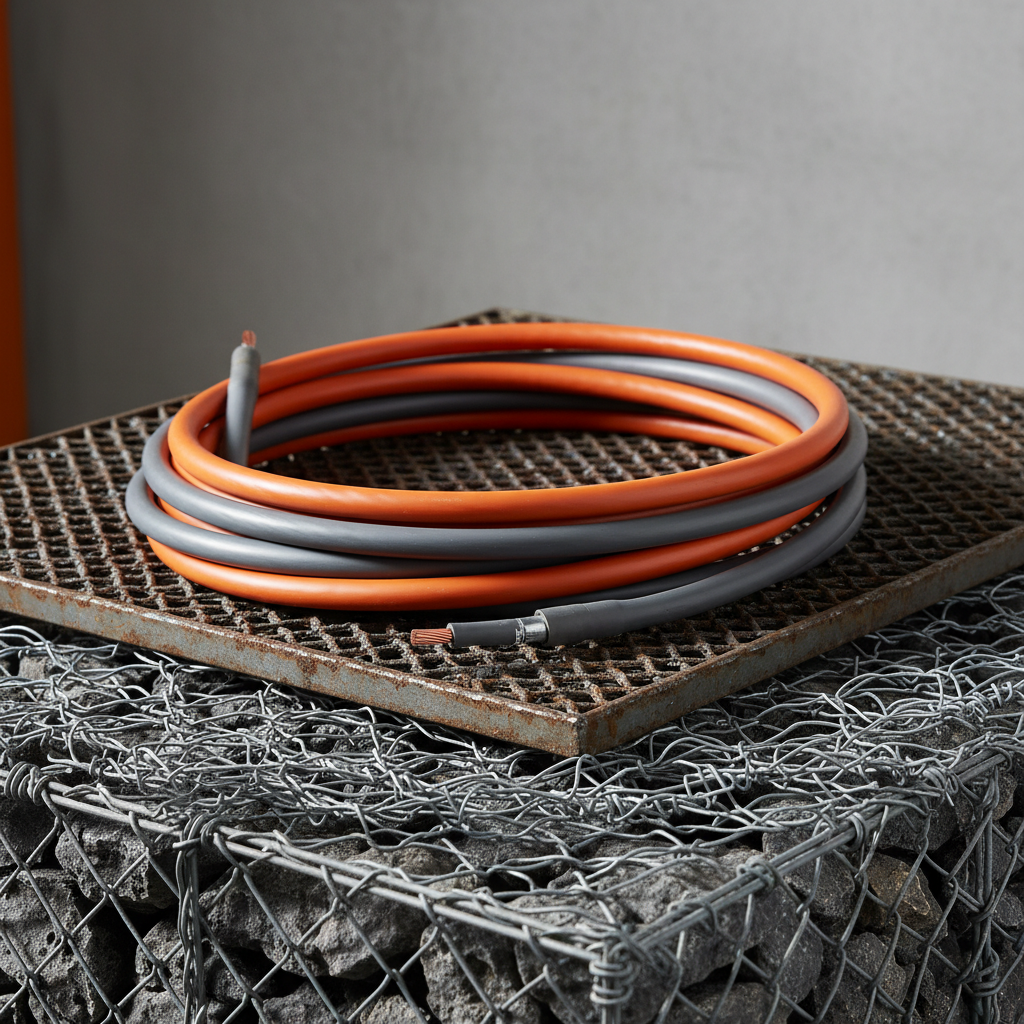
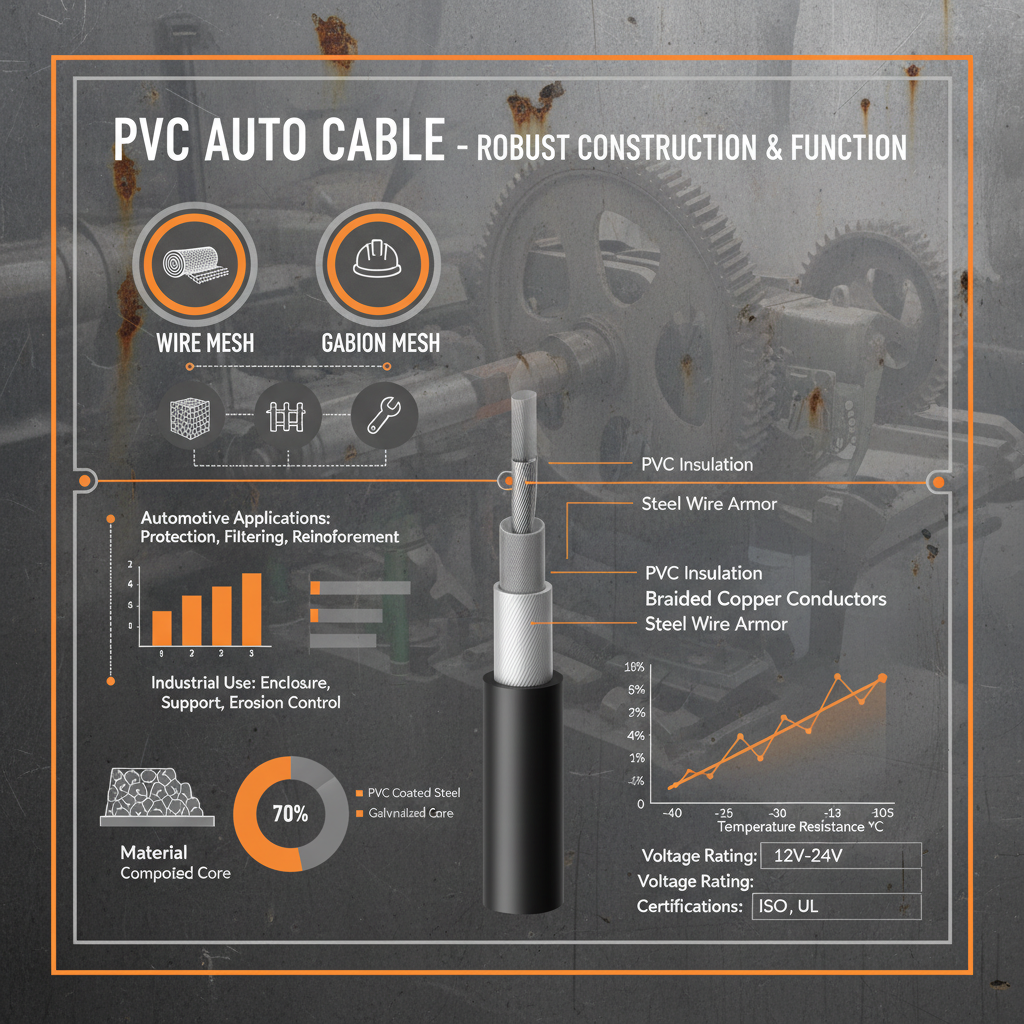
When I talk about pvc auto cable, I’m not just referring to a couple of wires wrapped in plastic. It's a carefully engineered system. You've got the conductor, usually copper or aluminum, providing the pathway for the electricity. Then you have the insulation, the PVC jacket, which is critical for safety and preventing shorts. And then there's shielding, which protects against electromagnetic interference, especially important in automotive and industrial applications.
It’s directly tied to the demands of modern industry. Think about the complex wiring harnesses in a car, or the robust cabling needed in a manufacturing plant. These environments require cables that can withstand vibration, extreme temperatures, and exposure to chemicals. Standard wiring just won’t cut it. This is where quality pvc auto cable shines.
Essentially, it’s the nervous system of modern infrastructure, and the quality of that system directly impacts its reliability and performance. The automotive industry, particularly with the rise of electric vehicles, is heavily reliant on high-performance pvc auto cable that can handle the increased power demands and ensure safety.
Key Factors: What Makes a Great pvc auto cable
First off, durability. I've seen cables that crack and degrade after just a few months of exposure to the elements. A good cable will hold up to abrasion, UV radiation, and temperature swings. The PVC compound itself is key here - some formulations are simply tougher than others. That’s a big one.
Flexibility is another major factor. Especially in automotive applications where the cables are constantly moving and bending. A stiff cable is prone to cracking and failure. We need something that can withstand continuous flexing without compromising the conductor. We also need to consider the conductor size – the thicker the conductor, the more current it can carry, but also the less flexible it becomes. It’s a balancing act.
Temperature rating is critical. Different applications require different levels of heat resistance. Engine compartments, for example, get incredibly hot. You need a cable that won’t melt or degrade under those conditions. And finally, flame retardancy is non-negotiable. A fire can spread quickly, and a flame-retardant cable can buy precious time for evacuation and fire suppression.
Global Applications and Real-World Use Cases
You see it everywhere. In automotive manufacturing, pvc auto cable is used extensively in wiring harnesses for everything from headlights to engine control units. In industrial settings, it powers machinery, control panels, and safety systems. And increasingly, it's a critical component of renewable energy infrastructure, connecting solar panels and wind turbines to the grid.
We’re seeing massive infrastructure development in Southeast Asia, particularly in countries like Vietnam and Indonesia. These regions are rapidly industrializing and need robust electrical infrastructure. They’re demanding high-quality pvc auto cable to support their growth.
Even in remote locations, like off-grid communities or mining operations, reliable pvc auto cable is essential for powering essential services and enabling economic activity. It’s not just about big cities – it’s about bringing power to those who need it most.
pvc auto cable Performance Comparison
Advantages and Long-Term Value Proposition
Look, the initial cost of quality pvc auto cable might be a bit higher, but the long-term savings are significant. Reduced downtime, fewer repairs, and a longer lifespan all add up. It’s about building something that stays built, and doesn’t need constant attention. That’s peace of mind, and that’s worth something.
It also provides a level of safety that cheaper alternatives can’t match. You’re protecting workers, equipment, and the integrity of the entire project. That’s not just a financial benefit, it’s an ethical one.
Future Trends and Innovation in pvc auto cable
We’re starting to see more demand for eco-friendly cable options, with manufacturers exploring bio-based PVC alternatives. There’s also a push for smarter cables, incorporating sensors that can monitor performance and detect potential failures before they occur.
And with the rise of the Internet of Things (IoT), the need for high-bandwidth, shielded cables is only going to increase. We’re moving towards a world where everything is connected, and pvc auto cable will play a vital role in enabling that connectivity.
Challenges and Solutions in pvc auto cable Implementation
One of the biggest challenges is ensuring consistent quality control. There are a lot of substandard cables flooding the market, and it can be difficult to distinguish them from the real deal. That’s where choosing a reputable supplier is crucial.
Another challenge is proper installation. Even the best cable will fail if it’s not installed correctly. Proper training and adherence to industry standards are essential. And, honestly, sometimes a little common sense goes a long way.
The development of standardized testing protocols and increased transparency in the supply chain can help address these challenges. We need to ensure that everyone is operating on a level playing field and that customers are getting the quality they deserve.
pvc auto cable Implementation Analysis
| Implementation Phase |
Risk Level (1-10) |
Mitigation Strategy |
Cost Impact (Low/Med/High) |
| Initial Planning & Specification |
3 |
Thorough material review and supplier vetting |
Low |
| Procurement & Delivery |
5 |
Implement strict quality control checks upon arrival |
Med |
| Installation & Termination |
7 |
Provide comprehensive training for installation teams |
Med |
| Commissioning & Testing |
6 |
Conduct thorough testing to verify performance and identify defects |
Med |
| Long-Term Monitoring |
2 |
Implement regular inspection and maintenance schedules |
Low |
| Emergency Repairs |
8 |
Maintain a stock of spare cables and trained personnel for rapid response |
High |
FAQS
Honestly, it’s chasing the lowest price. It’s tempting, but a cheap cable will almost always cost you more in the long run. Look for a cable that meets the specific requirements of your application, even if it means paying a little more upfront. Don’t skimp on quality – it's the foundation of a reliable system. Check the specifications, certifications, and the manufacturer’s reputation.
Shielding is critical, especially in environments with a lot of electromagnetic interference (EMI). EMI can disrupt signals and cause equipment to malfunction. Shielding acts as a barrier, protecting the cable from external interference and ensuring reliable data transmission. Automotive applications and industrial control systems are particularly sensitive to EMI.
Automotive environments can experience extreme temperature fluctuations. You need a cable that can withstand both scorching heat under the hood and freezing temperatures in the winter. Look for a cable with a temperature rating of at least -40°C to +125°C. Some specialized cables can handle even wider ranges.
Flame retardant cables are typically labeled with ratings like UL 94 V-0 or similar certifications. These ratings indicate the cable’s ability to resist ignition and slow the spread of flames. Always check for these certifications and ensure the cable meets the fire safety requirements of your application. Don't just assume – look for proof.
PVC is a cost-effective and versatile material, offering good abrasion resistance and flexibility. However, other materials like TPE (Thermoplastic Elastomer) or XLPE (Cross-linked Polyethylene) offer superior performance in certain applications, such as extreme temperatures or chemical exposure. The best material depends on the specific needs of the project.
Proper installation is crucial for long-term reliability. Ensure the cable is not bent too sharply, is adequately supported, and is protected from physical damage. Follow the manufacturer’s instructions carefully, and use appropriate tools and connectors. Training your installation team is a smart investment.
Conclusion
We've covered a lot of ground here, from the fundamental components of pvc auto cable to the challenges and future trends shaping the industry. The key takeaway is this: pvc auto cable isn’t just a commodity, it’s a critical component that impacts safety, reliability, and long-term cost-effectiveness. Choosing the right cable, and ensuring proper installation, is essential for any successful project.
Looking ahead, innovation in materials and manufacturing processes will continue to drive improvements in pvc auto cable performance and sustainability. By staying informed about these developments and prioritizing quality, we can build a more resilient and efficient infrastructure for the future. For all your needs in reliable pvc auto cable solutions, visit our website today: www.wiremeshpro.com.

 Phone:
 Email: