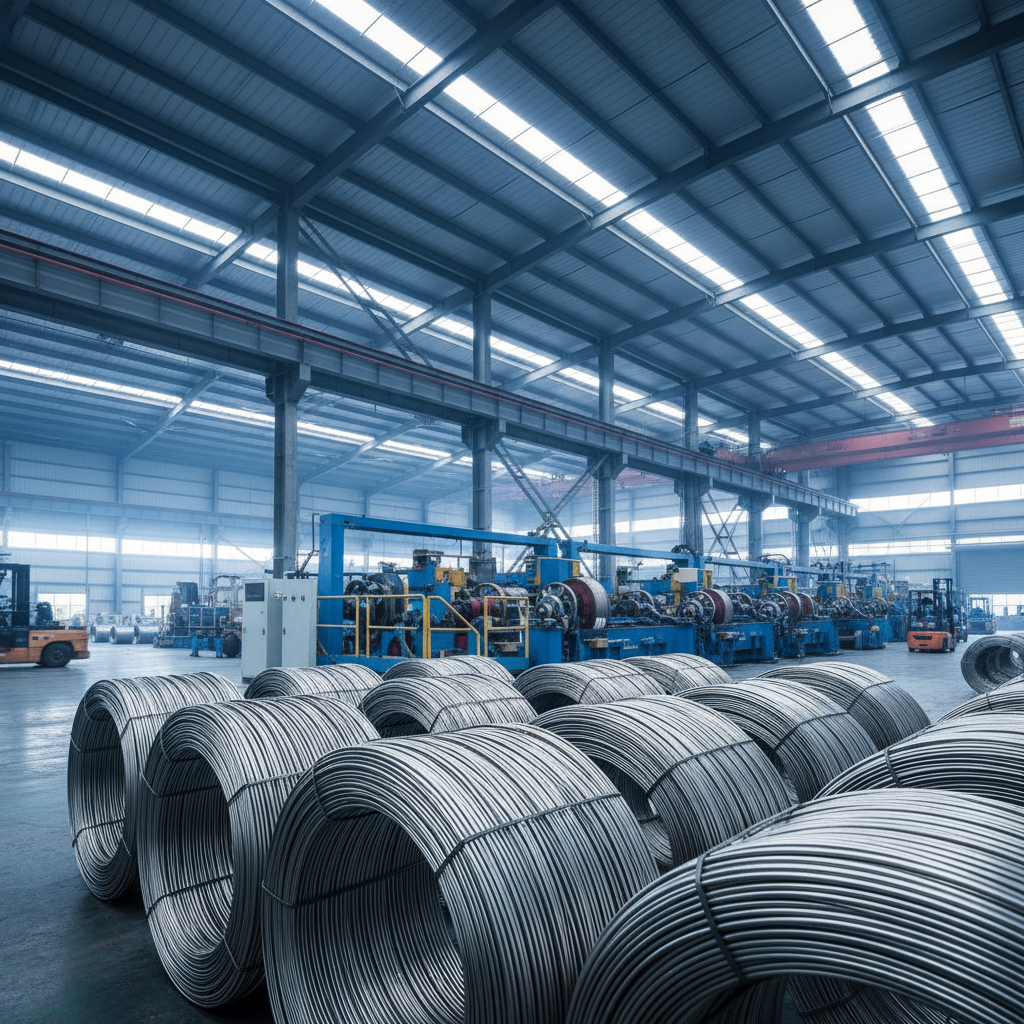
Rebar tie wire, often overlooked, is a critical component in modern construction, ensuring the structural integrity of reinforced concrete. Globally, the demand for robust and reliable construction materials is constantly increasing, driven by rapid urbanization, infrastructure development, and a growing population. This demand necessitates high-quality rebar tie wire that can withstand the stresses and strains inherent in concrete structures. The effective use of rebar tie wire directly impacts the safety, durability, and longevity of buildings, bridges, and other essential infrastructure projects worldwide.
The significance of rebar tie wire extends beyond mere structural support. It’s a cost-effective solution for binding rebar cages, simplifying construction processes and reducing labor costs. Furthermore, advancements in wire materials and manufacturing techniques are leading to improved corrosion resistance and tensile strength, enhancing the overall resilience of concrete structures against environmental factors. Understanding the nuances of rebar tie wire is therefore crucial for engineers, contractors, and anyone involved in the construction industry.
In regions prone to seismic activity or harsh weather conditions, the quality and application of rebar tie wire become even more critical. Proper binding ensures that the reinforcing steel remains securely positioned during concrete pouring and setting, preventing cracking and structural failure. Therefore, a thorough understanding of rebar tie wire specifications, applications, and best practices is fundamental for building safe and sustainable infrastructure.
The Fundamental Role of Rebar Tie Wire
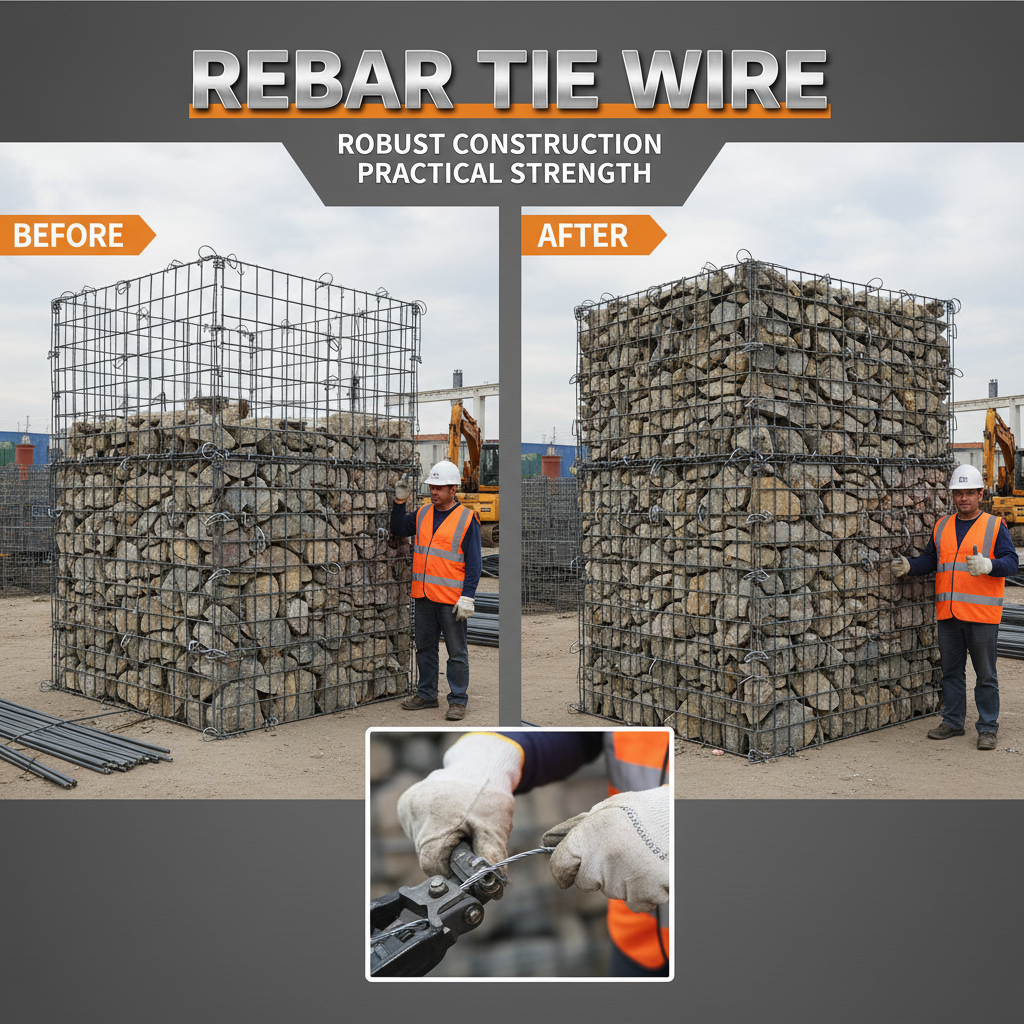
Rebar tie wire's primary function is to securely fasten reinforcing bars (rebar) together, creating a rigid cage before concrete is poured. This ensures that the rebar remains in its designated position during the concrete setting process, maximizing the concrete’s tensile strength and preventing structural weaknesses. Without proper binding, rebar could shift, leading to compromised structural integrity.
The selection of the appropriate type of rebar tie wire is crucial, as different projects and environmental conditions require varying levels of strength, ductility, and corrosion resistance. Factors like wire gauge, material composition, and coating type all contribute to the overall performance and longevity of the finished concrete structure.
Defining Rebar Tie Wire and its Industry Connection
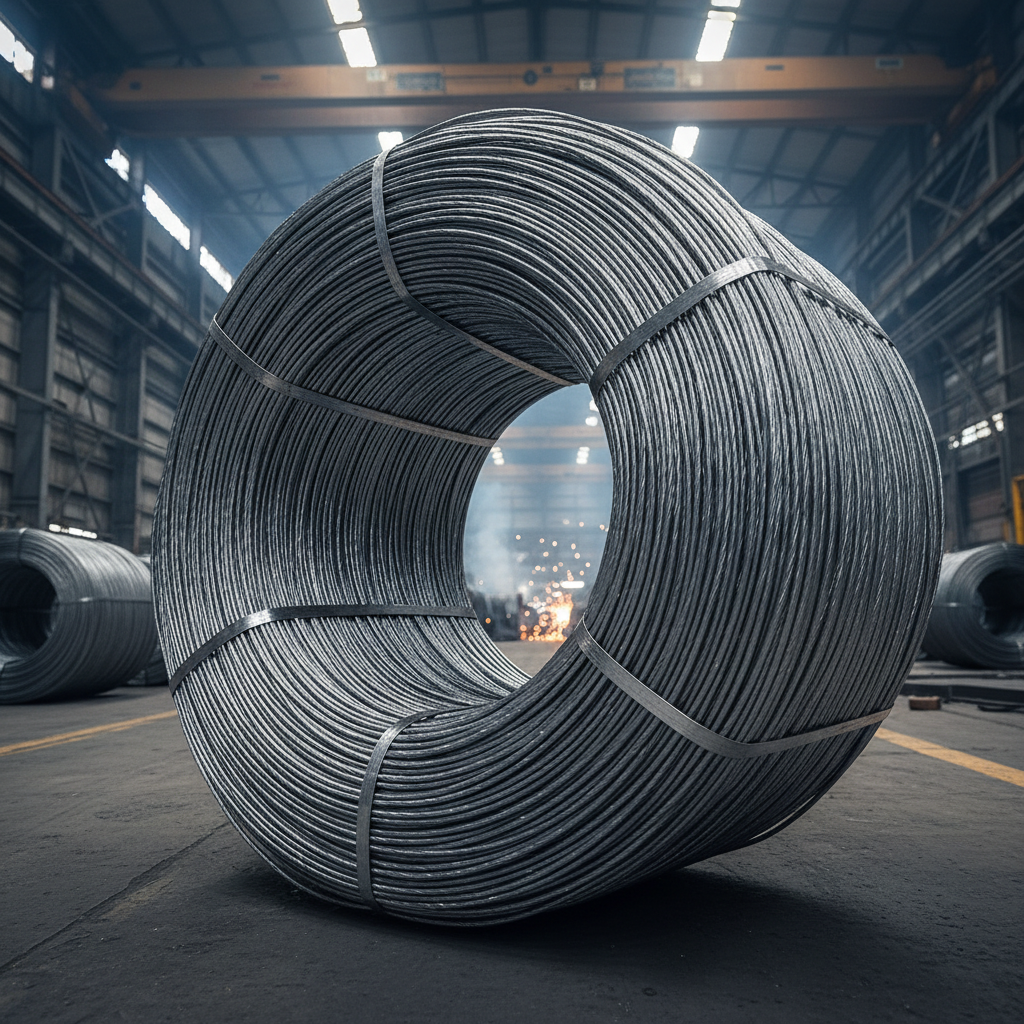
Rebar tie wire is a thin gauge wire, typically made of annealed steel, specifically designed for binding rebar together. It's not intended to contribute to the overall structural strength of the concrete but serves as a temporary fastening mechanism during construction. Its ease of use and cost-effectiveness make it an indispensable tool in the construction industry.
The connection to modern industry is direct and vital. From high-rise buildings and bridges to residential foundations and roadways, nearly every reinforced concrete structure relies on rebar tie wire during the construction phase. The industry benefits from its efficiency, reducing labor time and ensuring precise rebar placement.
Its relevance also extends to humanitarian needs, particularly in disaster relief and rapid infrastructure development. Quick and reliable binding of rebar is essential for constructing temporary shelters, emergency infrastructure, and rebuilding efforts following natural disasters.
Core Components of Effective Rebar Tie Wire
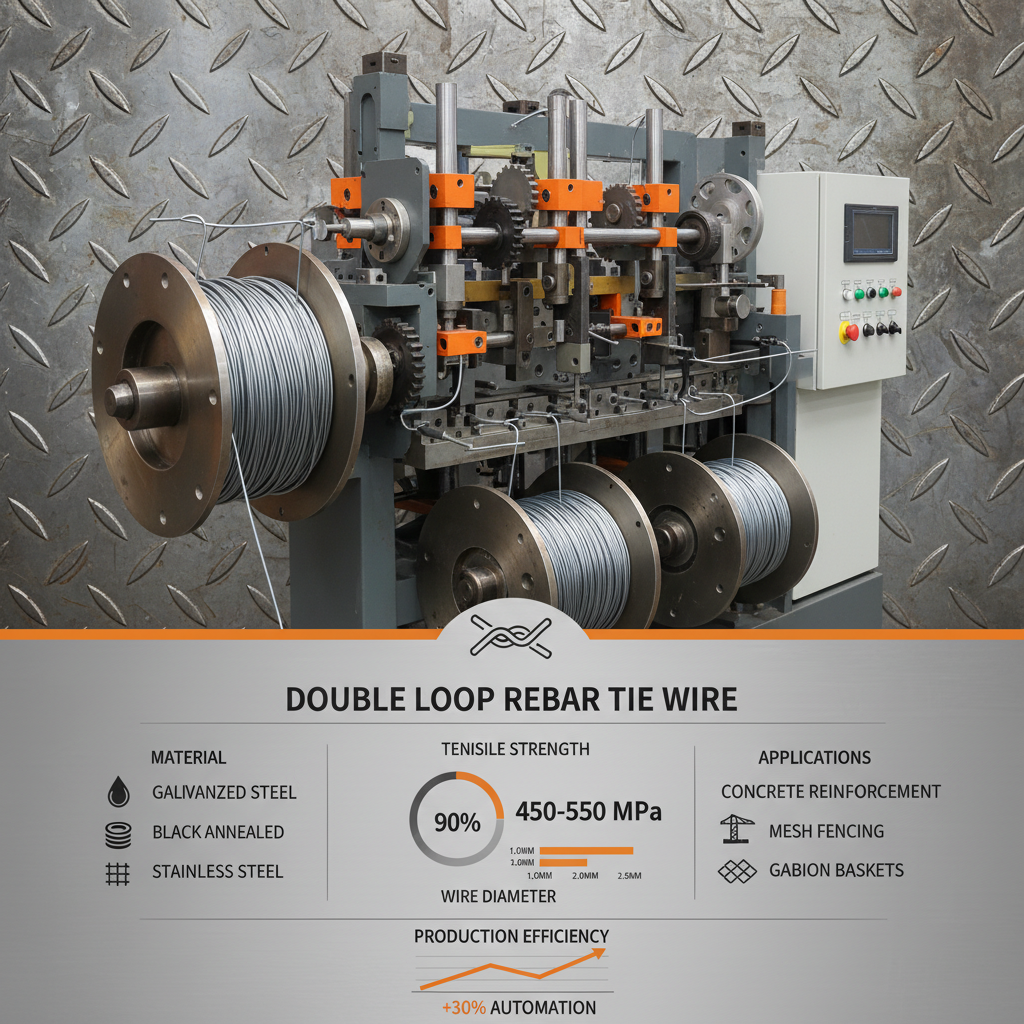
Durability is paramount. Rebar tie wire must be able to withstand the rigors of the construction site, including handling, bending, and exposure to the elements. Higher tensile strength prevents breakage during tying, ensuring a secure hold on the rebar. The quality of the steel and the annealing process directly impact durability.
Corrosion resistance is another critical factor, especially in marine environments or areas prone to harsh weather. Galvanized or epoxy-coated rebar tie wire offers enhanced protection against rust and degradation, extending the lifespan of the binding and preventing potential weakening of the rebar cage.
Ease of use directly impacts labor efficiency. Softer, more pliable wire is easier to bend and tie, reducing worker fatigue and speeding up the construction process. Proper annealing ensures the wire retains its ductility without compromising strength. Consistent wire diameter is also crucial for automated tying machines.
Global Applications and Versatility of Rebar Tie Wire
Rebar tie wire finds widespread use in building construction, forming the cages that reinforce concrete foundations, columns, beams, and slabs. It’s equally essential in infrastructure projects like bridge construction, highway overpasses, and tunnel linings. Its application isn’t limited to large-scale projects; it's used extensively in residential construction for foundations and concrete walls.
In Europe, stringent building codes demand high-quality rebar tie wire with specific corrosion resistance standards. North America utilizes large quantities in infrastructure repairs and new construction projects driven by government funding. Developing nations often rely on cost-effective solutions, balancing performance with affordability.
In post-disaster relief operations, rebar tie wire is vital for constructing temporary shelters and essential infrastructure quickly. In remote industrial zones, where access to specialized equipment is limited, its simplicity and ease of use make it an ideal binding solution.
Rebar Tie Wire Performance by Method
Advantages and Long-Term Value Proposition
The most tangible benefit of using quality rebar tie wire is cost-effectiveness. Compared to alternative fastening methods, it offers a significantly lower price point without sacrificing structural integrity. Its ease of application also translates to reduced labor costs, further enhancing its economic appeal.
Beyond cost savings, the durability and corrosion resistance of modern rebar tie wire contribute to the long-term sustainability of concrete structures. Preventing premature corrosion not only extends the lifespan of the building but also reduces the need for costly repairs and replacements.
Future Trends and Innovation in Rebar Tie Wire Technology
Research and development are focused on creating more sustainable rebar tie wire options, including biodegradable materials and wires made from recycled content. Automation is also playing a growing role, with the development of robotic tying machines that can significantly increase efficiency and reduce labor costs.
Smart wire technologies, incorporating sensors to monitor strain and corrosion levels, are also being explored. These sensors could provide early warning signs of structural weaknesses, allowing for proactive maintenance and preventing catastrophic failures.
Common Challenges and Innovative Solutions
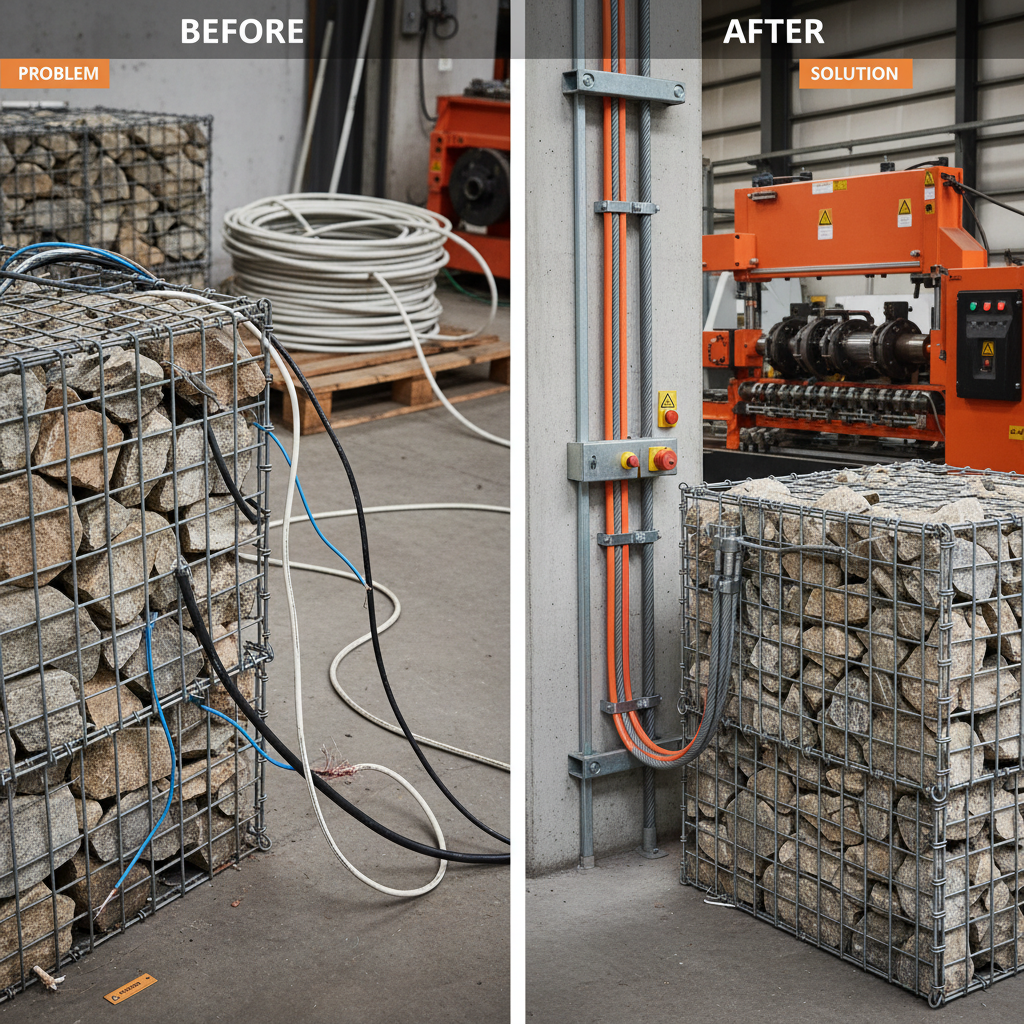
A common challenge is the inconsistent quality of rebar tie wire from different manufacturers. This can lead to breakage, reduced binding strength, and potential structural issues. Solution: Implementing stricter quality control measures and sourcing from reputable suppliers are critical.
Corrosion in harsh environments remains a significant concern. Solution: Utilizing advanced coatings, such as epoxy or zinc-rich primers, provides enhanced protection against rust and degradation. Exploring alternative materials, like stainless steel, is also a viable option for highly corrosive environments.
Labor intensity associated with manual tying can be addressed through the adoption of automated tying machines, increasing efficiency and reducing worker fatigue. Combining this with training programs on proper tying techniques further minimizes potential errors.
Summary of Rebar Tie Wire Challenges and Solutions
| Challenge |
Impact on Construction |
Proposed Solution |
Implementation Cost (Scale 1-10) |
| Inconsistent Wire Quality |
Reduced Binding Strength, Potential Failure |
Rigorous Supplier Vetting, Quality Checks |
3 |
| Corrosion in Coastal Areas |
Reduced Structural Lifespan, Increased Maintenance |
Epoxy Coating, Stainless Steel Alternatives |
7 |
| Manual Tying Labor Intensity |
Slow Construction Speed, Worker Fatigue |
Automated Tying Machines |
8 |
| Difficulty in Tight Spaces |
Challenging Rebar Placement, Reduced Efficiency |
Ergonomic Tying Tools, Pre-Fabricated Cages |
4 |
| Wire Breakage During Tying |
Increased Waste, Delays, Safety Concerns |
Higher Ductility Wire, Proper Handling Training |
5 |
| Lack of Standardized Specifications |
Inconsistent Performance, Difficulty in Comparison |
Industry-Wide Adoption of Clear Standards |
6 |
FAQS
For most general construction applications, 16-gauge rebar tie wire is considered the standard. It provides a good balance of strength, ductility, and affordability. However, heavier gauges (like 14-gauge) might be preferred for larger diameter rebar or in environments requiring extra holding power. Always consult project specifications and local building codes to ensure compliance.
Galvanized rebar tie wire offers significantly improved corrosion resistance compared to standard annealed steel wire. The zinc coating protects the steel from rust and degradation, extending its lifespan, particularly in coastal areas or environments with high humidity. While more expensive initially, galvanized wire can reduce long-term maintenance costs and structural issues.
Rebar tie wire should be stored in a dry, well-ventilated area, protected from exposure to moisture and direct sunlight. Keeping it off the ground on pallets or shelving helps prevent corrosion. If stored outdoors, covering the wire with a waterproof tarp is recommended. Regularly inspect stored wire for any signs of rust or damage.
Yes, automated rebar tying machines are available and are increasingly popular on large construction sites. These machines significantly increase tying speed and reduce labor costs. They use pre-cut lengths of rebar tie wire and can tie multiple bars simultaneously. Initial investment is higher, but the long-term efficiency gains are substantial.
When using rebar tie wire, always wear appropriate personal protective equipment (PPE), including gloves and safety glasses. Be mindful of the wire ends, as they can be sharp. Avoid twisting or over-bending the wire, as it can snap and cause injury. Proper training on safe tying techniques is essential.
Epoxy-coated rebar tie wire offers superior corrosion protection compared to galvanized wire, making it ideal for highly corrosive environments, such as marine structures or areas exposed to de-icing salts. While more expensive, the extended lifespan and reduced maintenance requirements can make it a cost-effective choice in the long run, particularly for critical infrastructure projects.
Conclusion
In conclusion, rebar tie wire, despite its seemingly simple nature, plays a vital, often underestimated, role in the construction industry. Its ability to securely bind rebar cages ensures the structural integrity, safety, and longevity of countless buildings and infrastructure projects worldwide. The selection of appropriate wire gauge, material, and coating is critical, directly impacting performance and cost-effectiveness.
Looking ahead, innovation in sustainable materials, automated tying techniques, and smart wire technologies promise to further enhance the efficiency and reliability of rebar binding. By embracing these advancements and adhering to best practices, we can continue to build safer, more durable, and more sustainable infrastructure for future generations. For all your rebar tying needs, visit our website: www.wiremeshpro.com.

 Phone:
 Email: