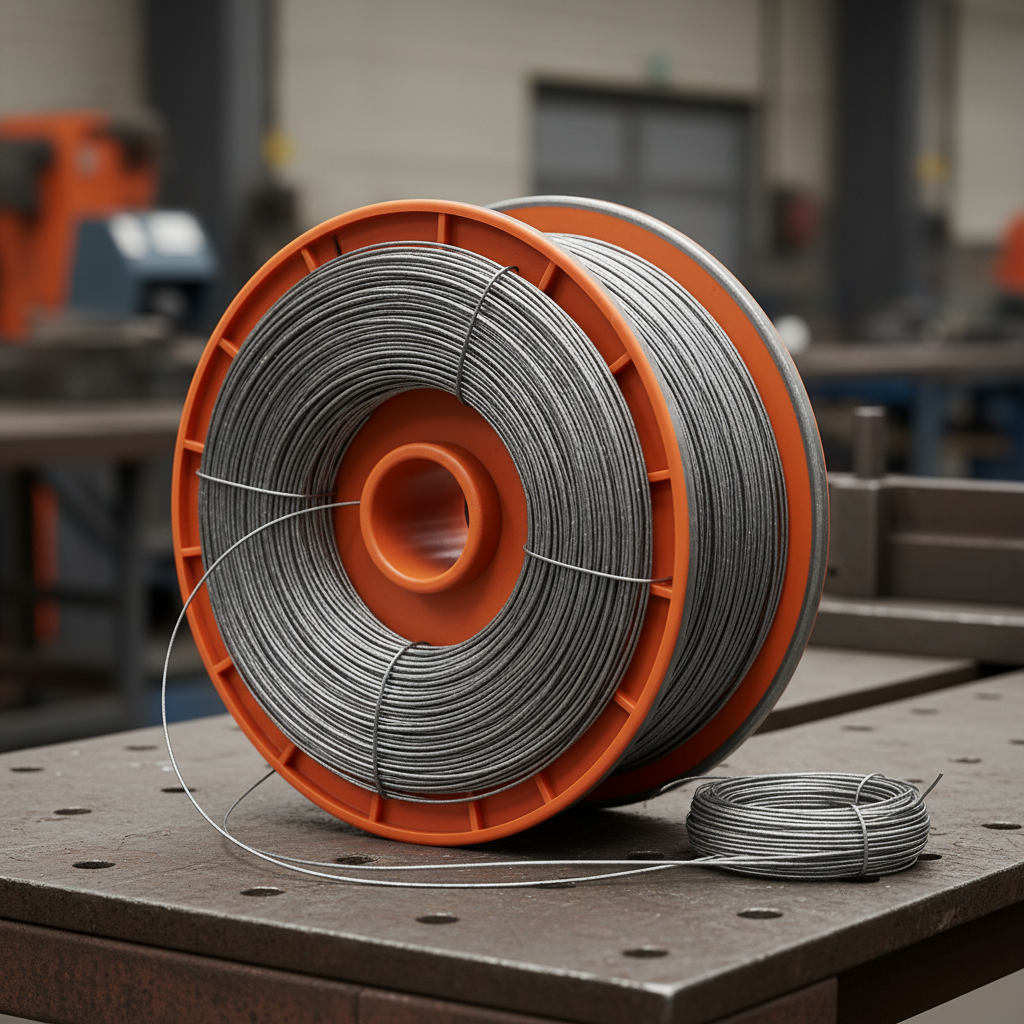
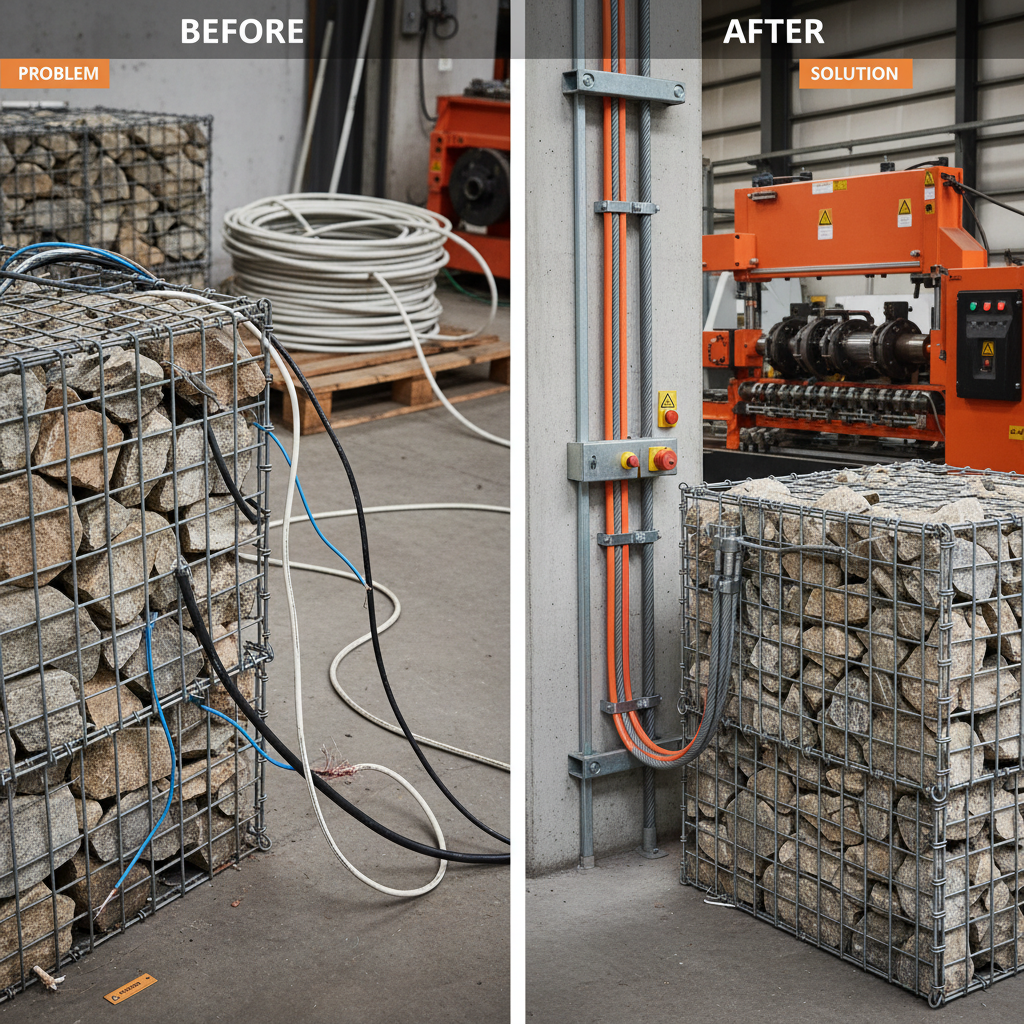
Steel tie wire, often overlooked, is a critical component in a vast array of industries, from construction and agriculture to packaging and even art. Its inherent strength, flexibility, and cost-effectiveness make it an indispensable material for binding, fastening, and supporting various structures and products. Understanding its properties and applications is vital for professionals across multiple sectors and increasingly relevant in addressing global infrastructure and logistical challenges.
The global demand for steel tie wire is significant and steadily growing, driven by infrastructure development in emerging economies and a continued need for secure packaging and bundling solutions worldwide. According to recent market analyses, the steel wire industry is projected to experience consistent growth, with steel tie wire playing a key role in this expansion. This growth highlights the importance of optimizing production, improving material quality, and innovating in application methods.
Beyond its industrial applications, steel tie wire is also increasingly recognized for its role in disaster relief and rapid deployment scenarios. Its ease of use and portability make it an essential resource for constructing temporary shelters, securing damaged structures, and providing essential support in crisis situations. This crucial function underscores the humanitarian impact and wider societal benefit of this often-unseen material.
The Fundamental Properties of steel tie wire
Steel tie wire’s primary strength lies in its tensile strength, meaning its resistance to being pulled apart. This property is crucial in applications requiring secure binding and support. Different gauges and steel compositions influence this strength, allowing for customization based on specific project needs. The ability to bend and conform without breaking adds to its versatility.
Furthermore, the corrosion resistance of steel tie wire, particularly when galvanized or coated, makes it suitable for outdoor and harsh environments. This durability extends the lifespan of structures and reduces maintenance costs. The relatively low cost of steel tie wire, compared to other fastening materials, makes it an economically viable option for large-scale projects.
Global Production and Market Dynamics of steel tie wire
The production of steel tie wire is concentrated in several key regions, including China, India, and Europe. These areas benefit from established steel industries and access to raw materials. China currently dominates the global market, accounting for a significant percentage of worldwide production. However, growing demand in emerging markets is driving expansion in other regions.
Market dynamics are influenced by factors such as steel prices, energy costs, and geopolitical events. Fluctuations in raw material costs can impact the price of steel tie wire, affecting project budgets. Demand is also tied to broader economic trends, such as construction activity and industrial production.
The increasing focus on sustainability and environmental regulations is also influencing the industry. Manufacturers are exploring more eco-friendly production methods and developing steel tie wire with recycled content to reduce their environmental footprint. This trend is expected to continue as global awareness of environmental issues grows.
Defining Characteristics of Steel Tie Wire
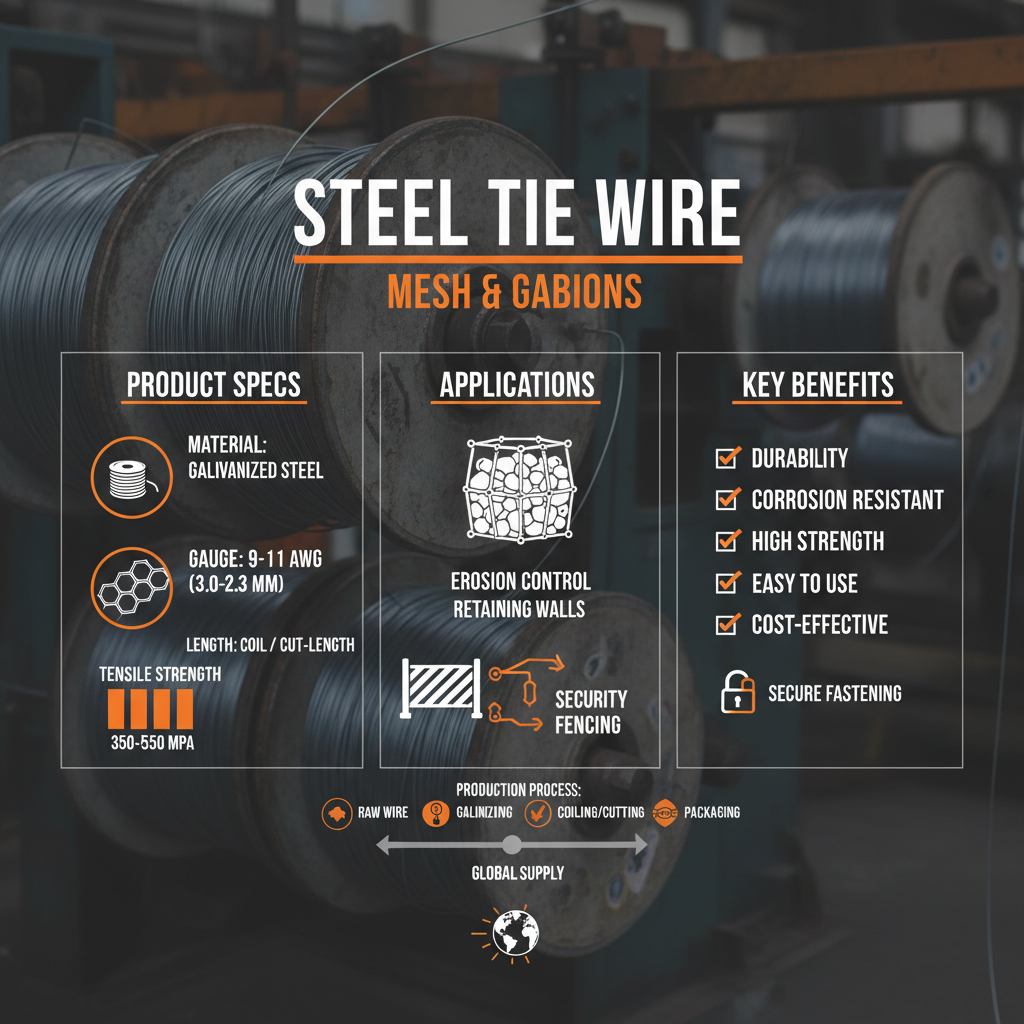
Steel tie wire isn't simply one homogenous product. It's characterized by varying gauges (thicknesses), coatings, and steel compositions. The gauge determines its tensile strength and suitability for specific applications – heavier gauges for stronger bindings, lighter gauges for delicate work. Common gauges range from 14 to 22 AWG (American Wire Gauge).
Coatings, such as galvanized zinc, PVC, or epoxy, are applied to enhance corrosion resistance and protect the steel from environmental damage. Galvanized steel tie wire is a popular choice for outdoor applications, while PVC-coated wire provides additional protection and color-coding options. Steel composition—carbon steel, high-carbon steel, or stainless steel—influences strength, flexibility, and resistance to specific corrosive agents.
The versatility of steel tie wire stems from these customizable characteristics. Whether used for securing rebar in concrete, bundling agricultural products, or crafting intricate wire sculptures, the appropriate wire can be selected to meet precise requirements, making it a truly adaptable material.
Key Performance Indicators of steel tie wire
Evaluating the performance of steel tie wire requires considering several key indicators. Tensile strength, measured in pounds per square inch (PSI) or megapascals (MPa), indicates the wire’s resistance to breaking under tension. Higher tensile strength is crucial for applications requiring strong, reliable bindings.
Yield strength, representing the point at which the wire begins to deform permanently, is another important metric. Elongation, expressed as a percentage, measures the wire’s ability to stretch before breaking, indicating its ductility and flexibility. Corrosion resistance, assessed through salt spray tests or other standardized methods, determines the wire’s lifespan in various environments.
Comparative Performance of Steel Tie Wire Types
Diverse Applications of steel tie wire Across Industries
The construction industry relies heavily on steel tie wire for securing rebar in concrete, creating strong and durable foundations and structures. Agricultural applications include binding plants, securing fencing, and bundling crops for efficient harvesting and transportation.
Packaging and logistics utilize steel tie wire for bundling goods, securing pallets, and reinforcing packaging materials, ensuring safe and secure transport. Even artistic endeavors employ steel tie wire for sculpting, creating wireframes, and adding structural support to installations.
Advantages and Long-Term Value Proposition of steel tie wire
The cost-effectiveness of steel tie wire is a significant advantage, providing a readily available and affordable fastening solution compared to alternative materials. Its durability and longevity minimize the need for frequent replacements, reducing long-term maintenance costs. The strength and reliability of steel tie wire contribute to the safety and structural integrity of various projects.
Beyond the practical benefits, steel tie wire promotes sustainability through its recyclability. The ease of use and versatility simplify installation processes, saving time and labor costs. Its widespread availability ensures a consistent supply chain, minimizing project delays and disruptions.
Future Trends and Innovations in steel tie wire Technology
Ongoing research and development are focused on enhancing the corrosion resistance of steel tie wire through advanced coating technologies. The integration of smart sensors into steel tie wire allows for real-time monitoring of stress and strain, providing valuable data for structural health monitoring.
The development of biodegradable steel tie wire alternatives, utilizing bio-based polymers, is gaining traction as a sustainable solution. Automation in the production process aims to improve efficiency, reduce costs, and enhance quality control. Furthermore, exploring the use of recycled steel in the manufacturing process contributes to a circular economy and reduces environmental impact.
These innovations promise to elevate the performance, sustainability, and applicability of steel tie wire, solidifying its position as a crucial material in various industries for years to come.
Summary of Key Challenges and Potential Solutions in Steel Tie Wire Applications
| Challenge |
Impact on Steel Tie Wire Use |
Potential Solution |
Implementation Complexity (1-5) |
| Corrosion in Harsh Environments |
Reduced lifespan, increased maintenance. |
Advanced coating technologies (e.g., zinc-aluminum alloys). |
3 |
| Material Cost Volatility |
Project budget uncertainties. |
Long-term supply contracts, material hedging. |
4 |
| Labor-Intensive Application |
High labor costs, slower project completion. |
Automated tying and bundling machines. |
5 |
| Environmental Concerns |
Disposal challenges, carbon footprint. |
Recycled steel usage, biodegradable alternatives. |
3 |
| Inconsistent Quality Control |
Potential for structural failures. |
Stringent quality assurance protocols, standardized testing. |
2 |
| Limited Real-Time Monitoring |
Lack of awareness of stress/strain conditions. |
Integration of sensors for structural health monitoring. |
4 |
FAQS
The tensile strength of steel tie wire varies depending on the grade and gauge. Generally, common carbon steel tie wire ranges from 60,000 to 80,000 PSI (414 to 552 MPa). High-carbon steel tie wire can exceed 100,000 PSI (690 MPa). Galvanized and stainless steel options exhibit similar strength characteristics to their base materials but offer improved corrosion resistance. Choosing the appropriate tensile strength is crucial for ensuring the structural integrity of the application.
The gauge, or thickness, of steel tie wire directly influences its strength and flexibility. Lower gauge numbers indicate thicker wire and higher tensile strength. Thicker wire is ideal for applications requiring robust binding, such as rebar tying in construction. Thinner wire is suitable for less demanding tasks, like bundling lightweight materials or crafting. Selecting the correct gauge prevents breakage and ensures a secure hold.
Galvanized steel tie wire is coated with zinc, providing superior corrosion resistance compared to standard carbon steel. This makes it ideal for outdoor applications or environments exposed to moisture, salt, or chemicals. While slightly more expensive, galvanized wire significantly extends the lifespan of the binding, reducing maintenance costs and preventing premature failure.
Yes, steel tie wire is highly recyclable. Steel is one of the most recycled materials globally, and its reuse significantly reduces the demand for virgin ore, conserving natural resources and lowering energy consumption. Choosing steel tie wire contributes to a circular economy and minimizes environmental impact. Proper disposal practices are important to ensure efficient recycling.
Steel tie wire can have sharp ends, posing a risk of cuts and abrasions. Always wear gloves and eye protection when handling the wire. Use appropriate cutting tools designed for wire, and avoid bending or twisting the wire in a way that could create a snap hazard. Proper training on safe handling techniques is crucial.
Annealed steel tie wire has undergone a heat treatment process to make it softer and more pliable. This makes it easier to bend and tie without breaking, but it also reduces its tensile strength slightly. Unannealed steel tie wire is harder and stronger but more difficult to work with. The choice between annealed and unannealed wire depends on the specific application requirements.
Conclusion
In conclusion, steel tie wire remains a fundamental material across numerous industries, prized for its strength, versatility, and cost-effectiveness. From infrastructure development to agricultural practices and disaster relief, its applications are vast and essential. Understanding its properties, market dynamics, and emerging innovations is vital for professionals seeking reliable and sustainable fastening solutions.
Looking ahead, continued advancements in coating technologies, materials science, and automation will further enhance the performance and environmental credentials of steel tie wire. Embracing these innovations will not only optimize existing applications but also unlock new possibilities, solidifying its position as a critical component in building a more resilient and sustainable future. For all your steel tie wire needs, visit our website: www.wiremeshpro.com.

 Phone:
 Email: