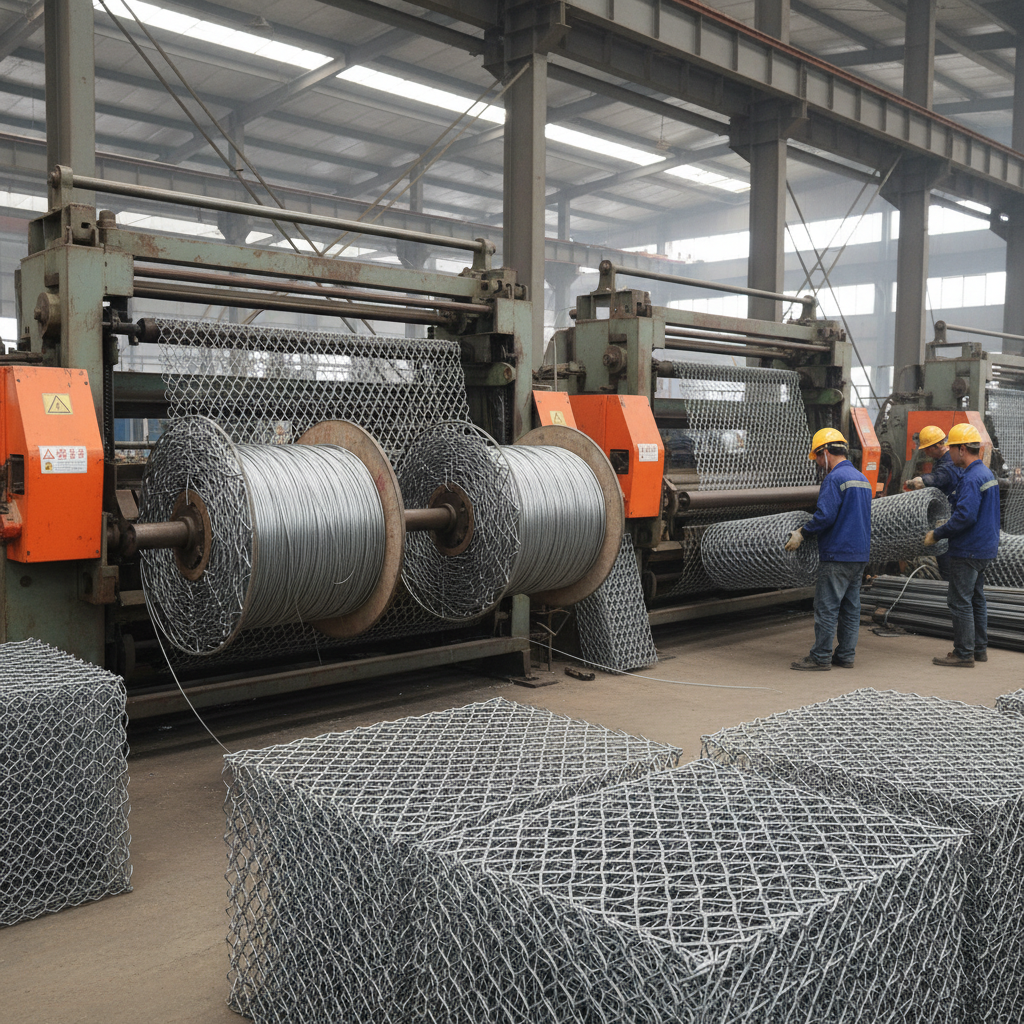
You know, I've been running around construction sites all year, and lately, everyone's talking about pre-galvanized wire. Not just the big guys, but even the smaller workshops are switching over. To be honest, it’s a bit of a pain; everyone wants it now, and finding enough supply that meets our quality standards? That’s a whole other story. It feels like everyone suddenly realized rust is a bad thing… which, strangely, took them a while to figure out.
It’s not just about the galvanization itself, though. Have you noticed how many suppliers skimp on the wire quality before it even gets galvanized? That's where things get tricky. A nice, thick coating on flimsy wire doesn't mean much. I encountered this at a factory in Jiangsu last time, looked great on paper, but bent like a noodle when you tried to work it. We had to send it all back.
The pre-galvanized stuff is becoming standard now, which is good. It means fewer on-site headaches. But the post-galvanized wire… well, there’s still a place for it. Sometimes you need specific diameters or custom lengths that just aren’t readily available pre-galvanized.
The Current Landscape of galvanized wire for sale
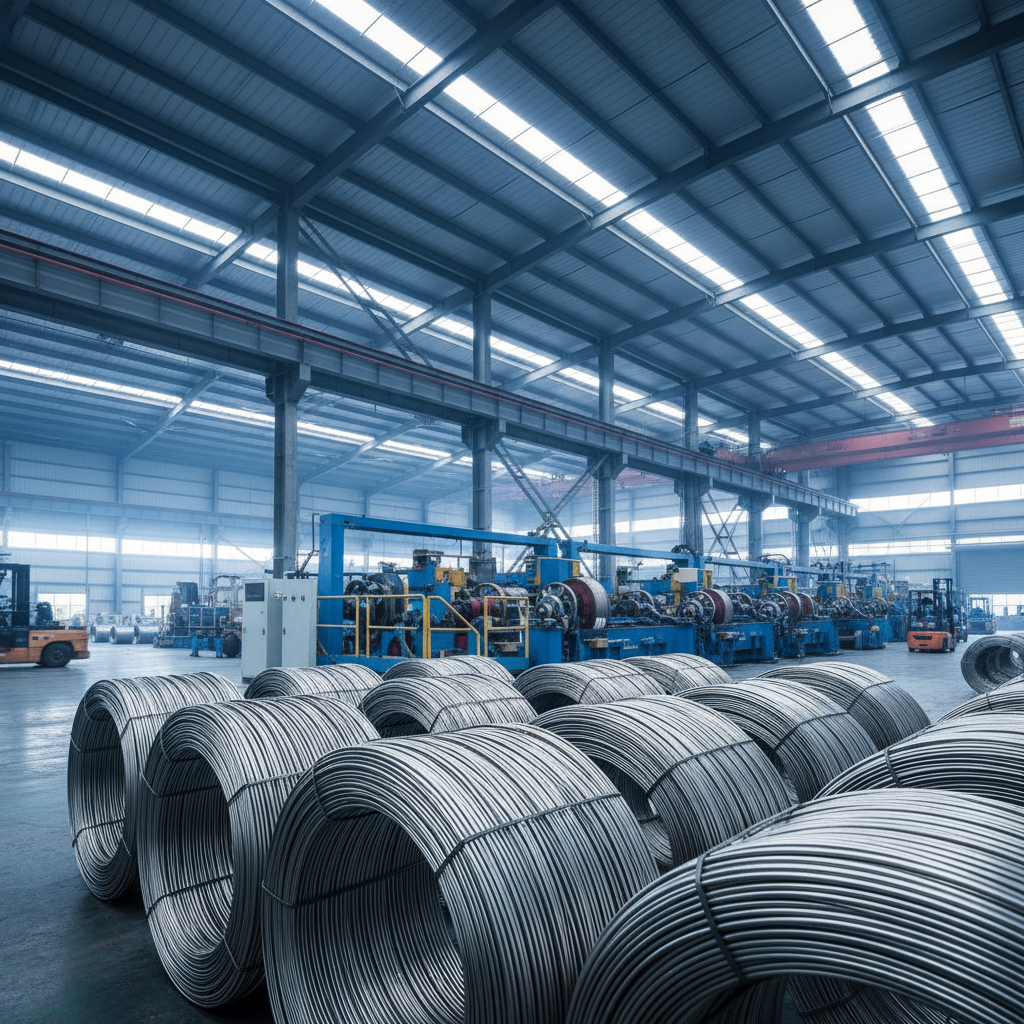
These days, it's all about speed and durability. Everyone wants galvanized wire for sale that can withstand the elements, especially with all the extreme weather we've been seeing. We're seeing a huge demand coming from infrastructure projects, fence building, and even agricultural applications. You wouldn't believe how much wire goes into supporting greenhouses.
I think the biggest driver is the rising cost of materials. Replacing corroded wire is expensive and time-consuming, so investing in quality galvanized wire for sale upfront just makes sense in the long run. It’s less about saving money initially and more about avoiding headaches later on.
Common Pitfalls in galvanized wire for sale Design
One thing that drives me crazy is when designers specify a wire gauge that’s just… inadequate. They look at the price per meter and think they're saving money, but then it buckles under the load. I've seen it happen countless times. It always ends with someone scrambling to find a replacement and delaying the project.
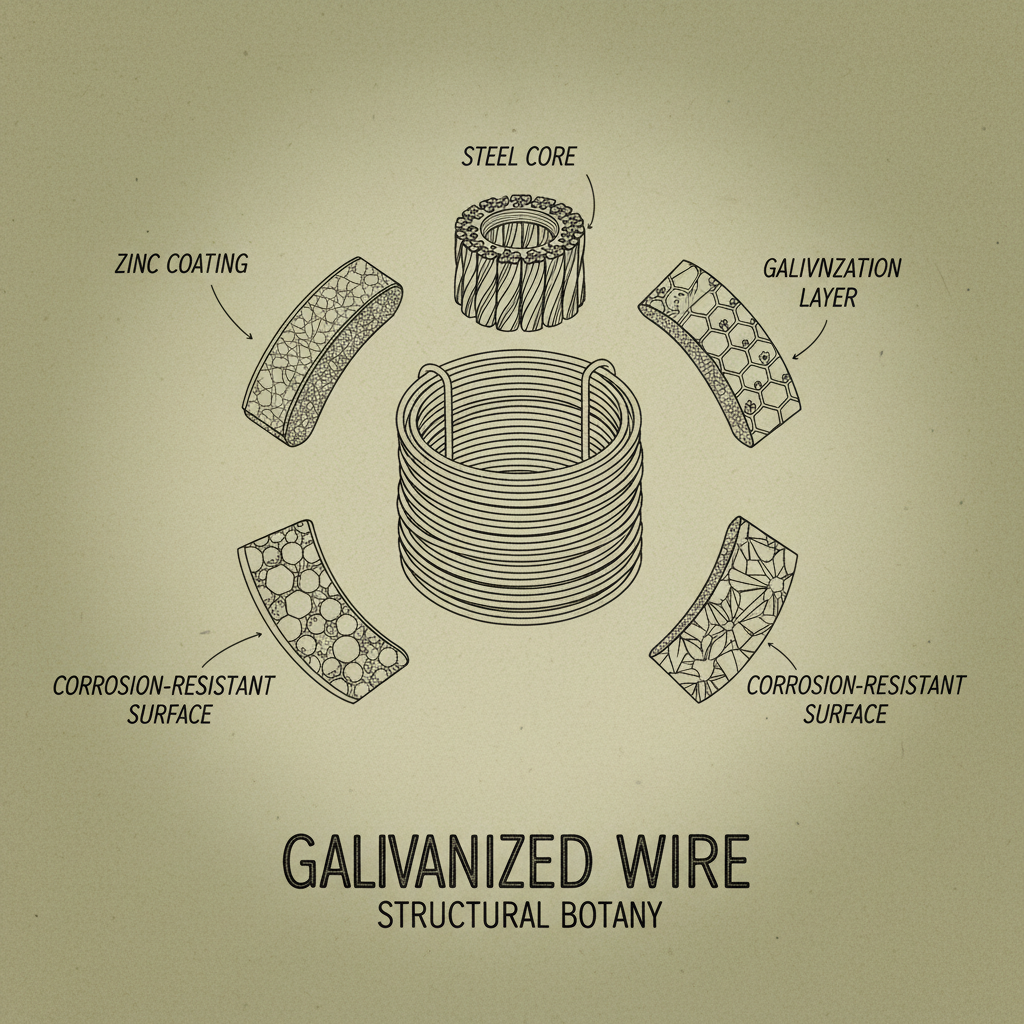
Another issue is the zinc coating thickness. You need to get the right level of protection for the environment it's going to be used in. Coastal areas, for example, require a much heavier coating than inland applications. And don’t even get me started on inconsistent coatings – you get patches of bare metal showing through, and it's just asking for trouble.
Then there’s the bending radius. If you try to bend galvanized wire for sale too sharply, you can crack the zinc coating, creating weak points. It seems obvious, but you'd be surprised how often this happens.
Materials and Handling of galvanized wire for sale
The base material makes a huge difference. Low-carbon steel is the standard, but you can get higher tensile strengths with specialized alloys. The feel is… well, it's steel. Cold, a little rough. The smell? Nothing much, except maybe a slight metallic tang if you’re handling it a lot. It's the galvanization process that has the distinctive smell – a bit sharp, almost chemical.
Handling it properly is crucial. You want to avoid scratching the coating as much as possible. Gloves are a must – not just to protect your hands, but to prevent oils from your skin from contaminating the surface. And storing it correctly is important too. Keep it dry and protected from the elements to prevent white rust from forming. White rust is a nuisance, but it doesn't compromise the structural integrity too much.
The quality of the zinc itself matters too. We've had issues with zinc that contained too many impurities, which affected the coating adhesion. It's not always visible to the naked eye, but it shows up in the testing. Anyway, I think good quality zinc makes all the difference.
Real-World Testing of galvanized wire for sale
Forget the lab tests, those are fine for initial quality control, but they don’t tell the whole story. I want to see it bent, twisted, stretched, and exposed to the elements for months. We do salt spray tests, of course, but the real test is putting it on a job site and letting it sit.
I once had a supplier boast about their superior galvanizing process, but when we put their wire on a coastal bridge project, it started corroding within six months. Turns out, their lab tests didn’t account for the constant salt spray and wind. Later… Forget it, I won’t mention it.
Galvanized Wire for sale Performance Metrics
Actual Use Cases of galvanized wire for sale
It’s everywhere, honestly. Fencing, obviously. But also reinforcing concrete, making cable trays, even in some types of artwork. I was surprised to find out how much of it is used in the poultry industry – building cages and pens. It needs to be strong and resistant to corrosion from… well, you can imagine.
Farmers seem to have a knack for finding the limits of materials. They'll push it to the breaking point and tell you exactly what went wrong. They don’t care about fancy reports; they care about whether it holds up.
Advantages and Disadvantages of galvanized wire for sale
The biggest advantage is the corrosion resistance, hands down. It buys you time, reduces maintenance, and prevents costly replacements. It's cheaper in the long run, even if the initial cost is a bit higher.
But it's not perfect. The galvanization process can make the wire slightly brittle, and it's not always the best choice for applications that require a lot of bending or forming. And let's be real, it's still steel underneath – it can still fail if it's overloaded or subjected to extreme stress.
Customization Options for galvanized wire for sale
You can get it in a wide range of diameters, lengths, and finishes. We had a customer last month, a small boss in Shenzhen who makes smart home devices, who insisted on changing the interface to ...and the result was a massive rework of their entire assembly line because the wire wasn't compatible. It was a mess.
But generally, customization is pretty straightforward. We can adjust the zinc coating thickness, add special coatings for extra protection, or even provide custom packaging. Anything to meet the customer's needs, really.
Summary of Common galvanized wire for sale Customization Requests
| Customization Type |
Typical Application |
Complexity (1-5) |
Cost Impact |
| Coating Thickness Adjustment |
Coastal Structures, Marine Applications |
2 |
Low |
| Specialized Zinc Alloys |
High-Corrosion Environments, Chemical Plants |
4 |
Medium |
| Custom Wire Diameter |
Specific Machinery, Precision Engineering |
3 |
Medium |
| Colored Coating |
Aesthetic Applications, Decorative Fencing |
1 |
Low |
| Custom Spooling/Packaging |
Automated Production Lines, Specific Handling Needs |
2 |
Low |
| PVC or Polymer Coating |
Electrical Insulation, Chemical Resistance |
3 |
Medium |
FAQS
Pre-galvanized wire is coated with zinc before it's formed into its final shape, while post-galvanized wire is formed first, then coated. Pre-galvanized tends to have a more uniform coating and better corrosion protection, but post-galvanized can be more cost-effective for certain applications. The real difference, though, is how easily it bends and works with. Pre-galvanized is usually stiffer.
That really depends on the environment. In a dry, inland climate, it can last for decades. But in a coastal area with salt spray, it might only last 5-10 years. It’s all about the zinc coating thickness and how well it’s applied. Regular inspections are key; if you see any rust spots, it's time to replace it.
Yes, but it requires special techniques. The zinc coating produces fumes that can be harmful, so you need proper ventilation and a flux coating designed for galvanized steel. The weld itself will also be more prone to corrosion if the zinc coating is removed, so you may need to apply a protective coating after welding.
That depends on the height of the fence, the spacing of the posts, and the expected load. For a typical residential fence, 12-14 gauge is usually sufficient. But for a taller fence or one that's exposed to high winds, you might want to go with 10-11 gauge for extra strength. Always check local building codes.
Generally, yes. The zinc coating is relatively non-toxic to plants. However, excessive amounts of zinc can be harmful, so it's best to avoid direct contact between the wire and the plant's roots. The soil pH can also affect zinc availability, so it's something to keep in mind.
White rust is a surface corrosion that forms when galvanized steel is exposed to moisture and poor ventilation. To prevent it, store the wire in a dry, well-ventilated area. You can also apply a protective coating or sealant to the surface. Regularly inspecting and cleaning the wire can also help.
Conclusion
So, there you have it. Galvanized wire for sale is a workhorse material, and it’s not going anywhere anytime soon. It's not a magic bullet, and it has its limitations, but when you choose the right wire for the job and handle it properly, it can save you a lot of time, money, and headaches.
Ultimately, whether this thing works or not, the worker will know the moment he tightens the screw. And if you want to make sure those workers are happy, start with a quality product. Visit our website at WireMeshPro for reliable galvanized wire for sale that’s built to last.

 Phone:
 Email: