-
 Phone:
 -
 Email:
You know, I’ve been running around construction sites all year, and lately, everyone’s talking about pre-galvanized wire mesh. Seems like overnight, it’s become the go-to. Honestly, it’s a bit of a shift. For years, we were all perfectly happy with the standard stuff, but now… everyone wants that extra layer of protection. They're chasing durability, I get it.
But have you noticed, a lot of these suppliers are cutting corners? They’ll say it’s high-quality zinc coating, but when you actually get your hands on it… it feels thin. Almost like it won’t hold up to a proper beating. I encountered this at a factory in Tianjin last time, the mesh was already starting to rust before it even left the yard. Terrible.
It's funny, you spend so much time on these sites, and you realize the spec sheets don't tell you the whole story. They tell you the zinc coating weight, the wire diameter, tensile strength… but they don't tell you how it feels in your hands. Good galvanized wire mesh should have a slight roughness, a bit of that zinc smell. It’s hard to describe, but you just know when it's right. We mostly use Q195 and Q235 steel wire for the base, because, let's be real, it's a good balance between strength and cost. You don’t need fancy alloys for most applications, just a solid base that can take the galvanization process.
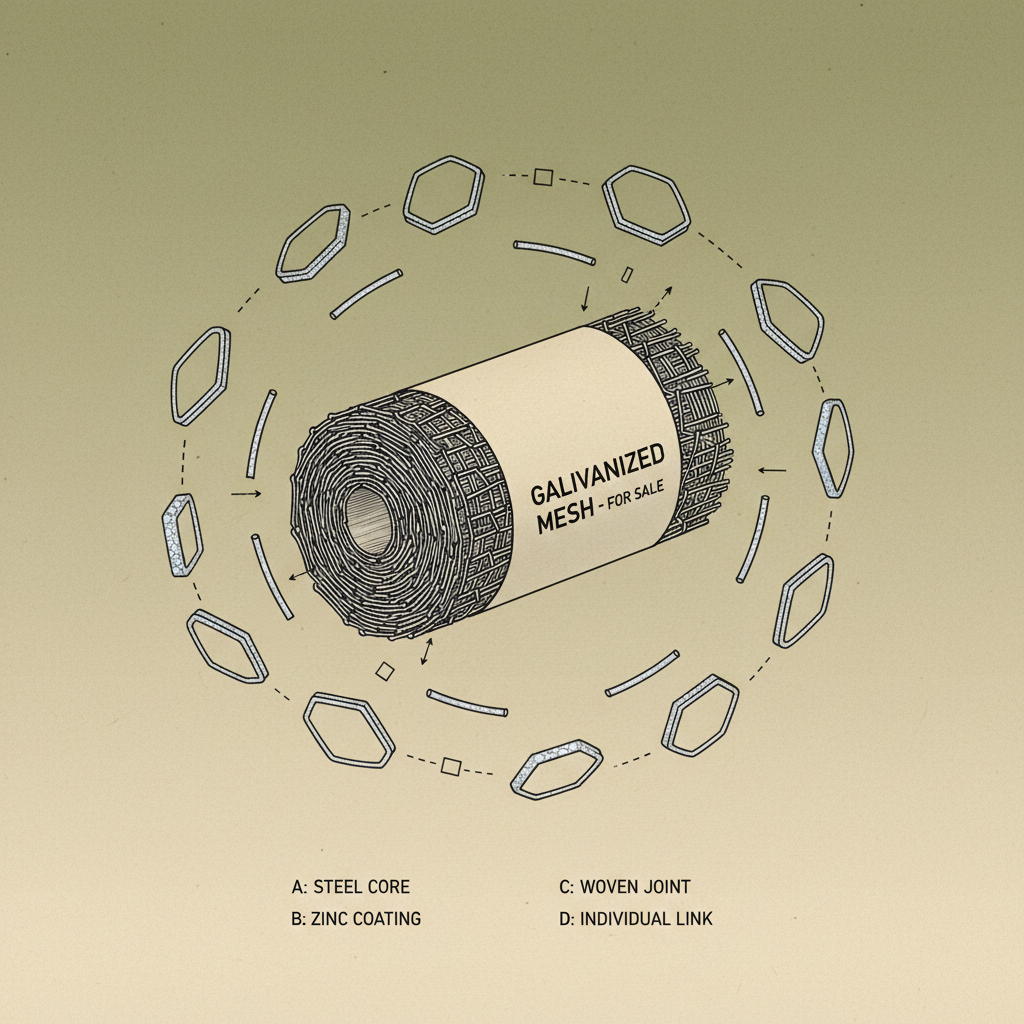
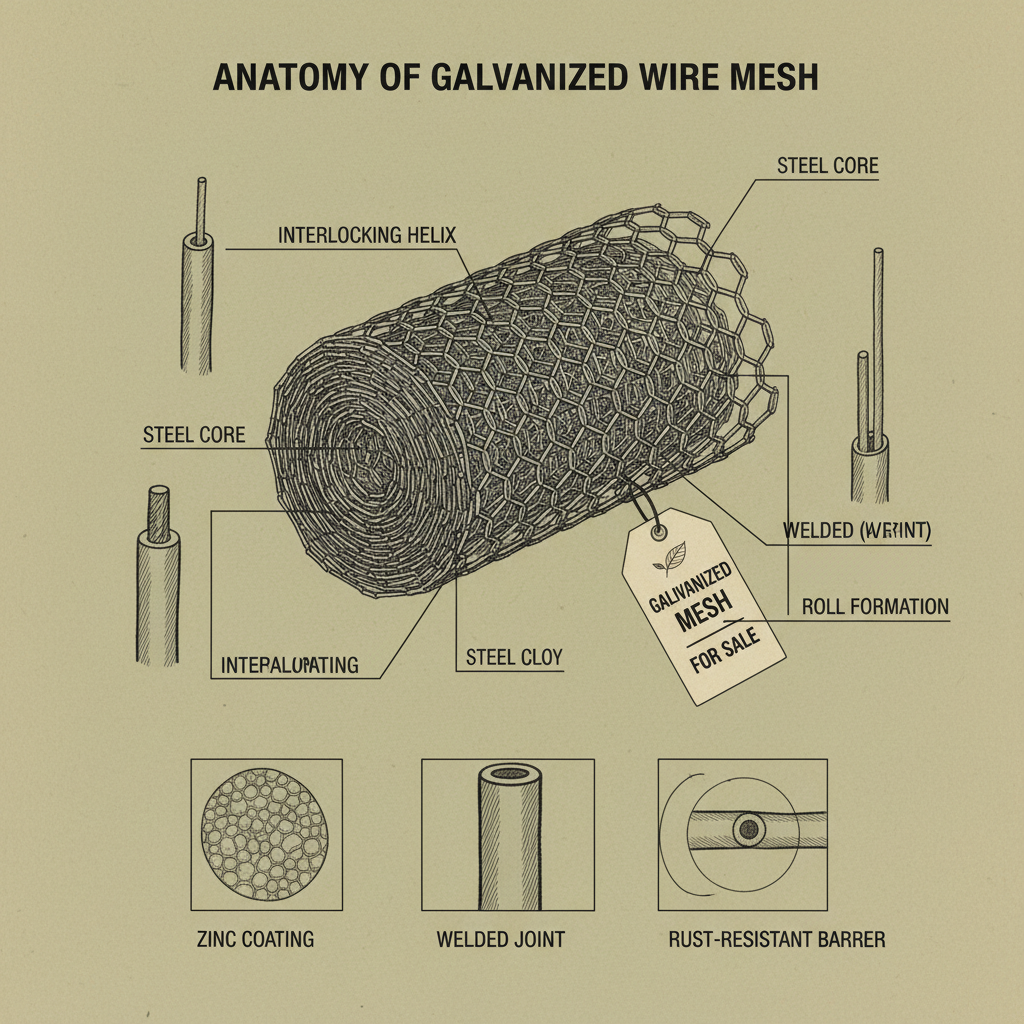
So, why the sudden surge in demand? It’s all about extending lifespan, especially in harsh environments. Coastal areas, industrial sites… places where corrosion is a constant battle. And honestly, the cost difference isn’t that significant, especially when you factor in reduced maintenance and replacement costs. Plus, with more and more focus on sustainable building practices, galvanized wire mesh ticks a lot of boxes. Less waste, longer-lasting materials… it makes sense.
You see it everywhere now, from reinforcing concrete to making animal cages. It’s surprisingly versatile. It's really become a staple in everything from fencing to filter screens.
Pre-galvanized is coated before the mesh is woven, while after-galvanized is coated afterwards. Pre-galvanized generally has better coating adhesion and uniformity, but after-galvanized can provide a thicker coating. In practice, for most applications, pre-galvanized is preferred because it's more consistent and less prone to cracking during the weaving process. However, if you need serious corrosion protection, after-galvanized might be worth the extra cost.
Saltwater is brutal. Even the best galvanized mesh will start to corrode within a few years. Expect maybe 5-7 years if it's regularly exposed. Using a thicker zinc coating and potentially a protective coating on top of the galvanization can extend its lifespan. But honestly, in a truly harsh saltwater environment, stainless steel is the only reliable long-term solution, even if it's expensive.
For a security fence, you want something substantial. 12-gauge or even 11-gauge wire is a good starting point. The thicker the wire, the harder it is to cut. Also, consider the mesh aperture – smaller apertures are more difficult to climb through. And don't skimp on the posts and bracing; a flimsy fence is just an invitation to trouble.
You can, but it’s tricky. You need to use a paint that’s specifically designed for galvanized metal. Regular paint won't adhere properly. You also need to thoroughly clean the mesh to remove any oils or residue. A zinc-rich primer is a good idea. Honestly, I wouldn't bother unless you absolutely need to change the color; the galvanization provides plenty of corrosion protection on its own.
Bolt cutters are your friend. Forget trying to use wire cutters; you’ll just ruin them. For larger projects, a metal-cutting circular saw with a carbide-tipped blade works well. But be careful—galvanized mesh can produce a lot of dust, so wear a mask and eye protection. And always cut outdoors or in a well-ventilated area.
Yes, absolutely. Galvanized steel is 100% recyclable. It’s a valuable resource, and recycling it helps conserve energy and reduce waste. Most scrap metal yards will accept it. It’s a good practice, and it helps to close the loop on material usage.
So, where does all this leave us? Galvanized wire mesh is a solid, reliable material with a lot to offer – durability, affordability, versatility. It's not a silver bullet, and it has its limitations, but it's a workhorse that gets the job done in a huge range of applications. It's become the standard for a reason.
Ultimately, whether this thing works or not, the worker will know the moment he tightens the screw. You can have all the certifications and spec sheets in the world, but if it doesn’t feel right in your hands, if it doesn’t hold up under pressure, it’s no good. That's the bottom line. And that’s what I tell my guys every single day.