Binding wire, often overlooked, plays a crucial role in numerous industries and humanitarian efforts globally. Understanding what is binding wire used for isn’t simply about the material itself, but recognizing its enabling function – securing materials, creating temporary structures, and providing vital support in diverse applications ranging from construction and agriculture to disaster relief and infrastructure projects. Its accessibility and cost-effectiveness make it a particularly important resource in developing nations and emergency situations.
The global demand for binding wire is intrinsically linked to infrastructure development, agricultural output, and disaster preparedness. According to UN Habitat, over 1.6 billion people worldwide lack adequate housing, driving demand for quick, affordable building solutions where binding wire is essential. The World Bank estimates billions are invested annually in agricultural infrastructure, relying heavily on wire for fencing, securing crops, and supporting plant growth. This widespread need highlights the significance of efficient production and responsible sourcing.
The importance of understanding what is binding wire used for extends beyond simple construction. It’s a component in securing livelihoods, providing shelter, and supporting economic growth in vulnerable communities. Its adaptability makes it a versatile solution where complex or expensive infrastructure isn't feasible, offering a practical and impactful solution to pressing global challenges.
The Fundamental Role of what is binding wire used for
At its core, what is binding wire used for is providing a secure and often temporary connection between materials. This can range from reinforcing concrete structures and securing rebar to bundling agricultural products or creating emergency shelters. Its primary function is to hold things together, offering structural support and stability where permanent solutions are not immediately available or cost-effective.
The effectiveness of binding wire hinges on its strength, pliability, and corrosion resistance. Different applications demand different wire gauges, materials (steel, galvanized steel, stainless steel, etc.), and coatings to ensure optimal performance and longevity. Understanding these nuances is critical for selecting the right wire for a given task.
Defining and Understanding Binding Wire
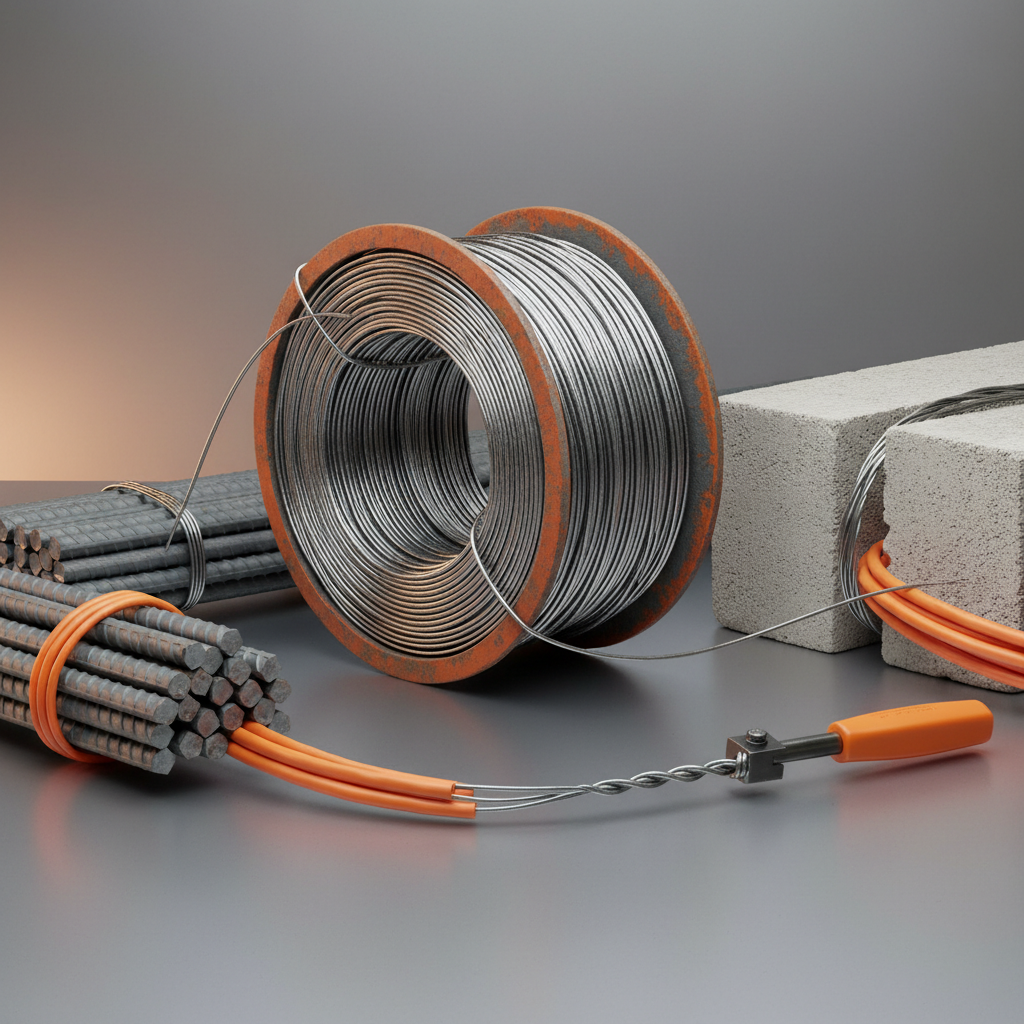
Binding wire, in its simplest form, is a metallic wire specifically designed to fasten or tie objects together. While often perceived as a basic construction material, its applications are remarkably diverse, spanning industries like construction, agriculture, packaging, and even emergency response. It's a fundamental component of many projects, frequently used in conjunction with other building materials to provide essential structural integrity.
Its connection to modern industry stems from its affordability and ease of use. Unlike welding or permanent fastening methods, binding wire allows for adjustments, temporary structures, and quick assembly. In humanitarian contexts, what is binding wire used for is invaluable for constructing temporary shelters, medical facilities, and securing vital resources in disaster zones.
The increasing focus on sustainable construction practices is also prompting a re-evaluation of binding wire’s role. With growing awareness of material lifecycles and waste reduction, the ability to disassemble and reuse structures held together by binding wire presents a compelling advantage.
Key Characteristics of Effective Binding Wire
Effective binding wire boasts several key characteristics that determine its suitability for specific applications. These include tensile strength – the wire's ability to resist breaking under tension – and ductility, which refers to its ability to be bent and formed without fracturing. A high tensile strength ensures a secure hold, while ductility allows for easy manipulation and tight binding.
Corrosion resistance is another critical factor, especially in outdoor or humid environments. Galvanized steel wire, coated with a layer of zinc, provides excellent protection against rust and degradation, extending the lifespan of the binding. Stainless steel wire offers even greater corrosion resistance but comes at a higher cost. The choice of material depends heavily on the anticipated environmental conditions and longevity requirements.
Finally, wire gauge (thickness) plays a crucial role. Thicker wire provides greater strength and security but is more difficult to manipulate. Thinner wire is easier to work with but offers less holding power. Selecting the appropriate gauge is vital to achieving a balance between strength, workability, and cost-effectiveness when considering what is binding wire used for.
Core Aspects of Binding Wire Utility
Durability is paramount; the wire needs to maintain its integrity under stress and environmental conditions. Scalability refers to the ease with which the wire can be used in projects of varying sizes, from small-scale repairs to large infrastructure developments.
Cost efficiency is a major advantage; binding wire is generally an affordable material compared to alternatives like welding or specialized fasteners. Versatility allows for application in different environments and to secure different types of materials, this greatly increases the range of use cases.
Comparative Assessment of Binding Wire Qualities
Global Applications and Practical Use Cases
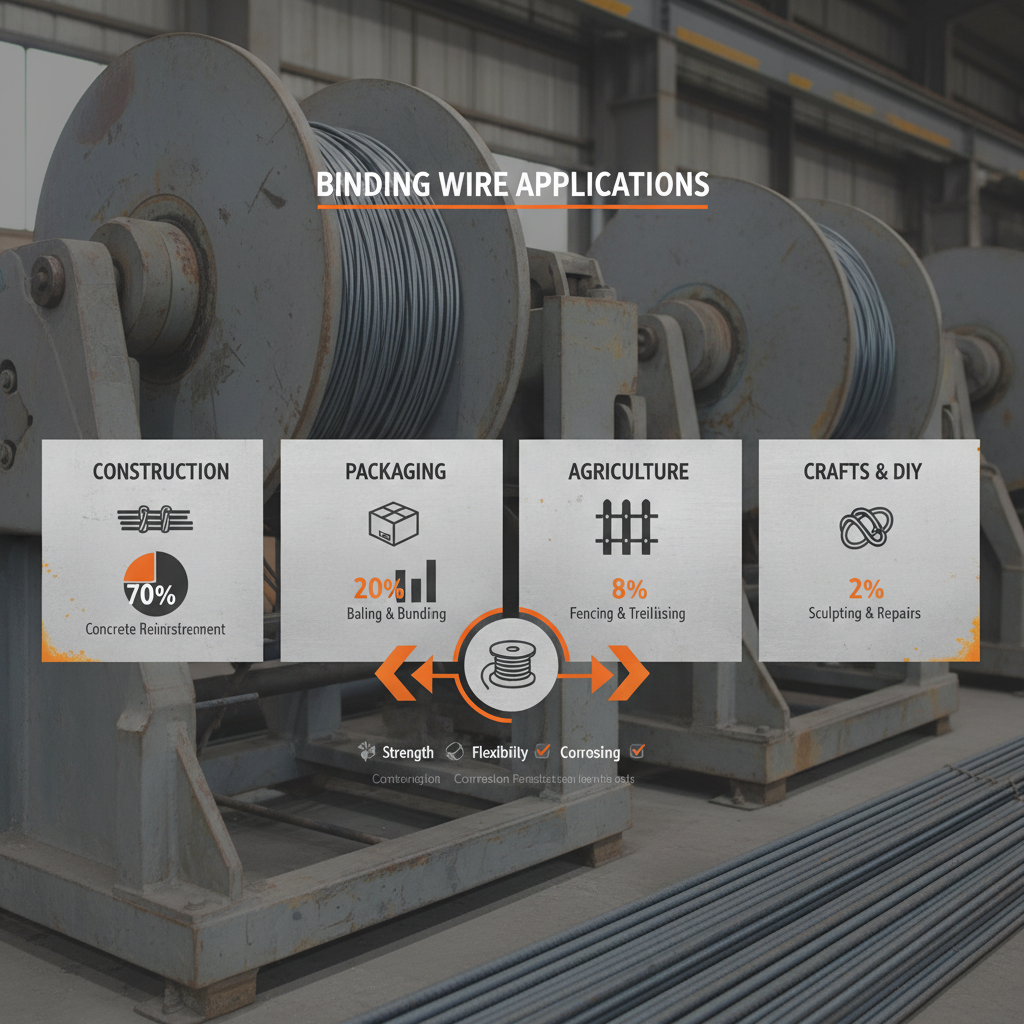
In construction, binding wire is indispensable for reinforcing concrete, securing rebar cages, and creating temporary scaffolding. In agriculture, it’s used for training vines, supporting plant stems, and creating fences to protect crops. Globally, particularly in regions with limited resources, binding wire helps build essential infrastructure.
In post-disaster relief operations, what is binding wire used for is crucial for rapidly constructing temporary shelters, securing debris, and creating safe zones. NGOs often include it in emergency aid packages due to its versatility and ease of use. It is also extensively used in remote industrial zones to facilitate quick repairs and establish basic infrastructure where permanent solutions are logistically challenging.
Furthermore, its role extends to packaging, where it's used to bundle goods for transport and storage, and to artistic applications, like creating sculptures and installations. Its widespread utility underscores its importance as a fundamental material in various sectors worldwide.
The Advantages and Long-Term Value of Binding Wire
The primary advantage of binding wire is its cost-effectiveness. Compared to welding, bolting, or other permanent fastening methods, it represents a significantly lower investment. This makes it accessible to a broader range of projects and communities, especially in developing nations. It also contributes to sustainability by facilitating the reuse and repurposing of materials.
From a practical standpoint, binding wire offers flexibility and ease of modification. Structures can be easily adjusted, disassembled, or repaired without requiring specialized tools or expertise. This agility is particularly valuable in emergency situations or projects where design changes are frequent. The inherent reliability, when correctly applied, ensures safety and structural integrity.
Future Trends and Emerging Innovations
The future of binding wire is likely to be influenced by the growing demand for sustainable materials and construction practices. Research into biodegradable binding wire alternatives, such as those made from plant-based polymers, is gaining momentum. Advancements in wire coating technologies are also improving corrosion resistance and extending the lifespan of traditional steel wire.
Automation in manufacturing processes is increasing the efficiency and precision of wire production, leading to lower costs and improved quality. The integration of digital technologies, such as sensors embedded within the wire, could allow for real-time monitoring of structural integrity and early detection of potential failures. These innovations are aimed at enhancing the performance, sustainability, and reliability of what is binding wire used for.
Furthermore, the focus on circular economy principles is driving the development of wire recycling and reuse programs, minimizing waste and promoting resource efficiency. These trends suggest a future where binding wire plays an increasingly important role in creating a more sustainable and resilient built environment.
Challenges and Solutions
One of the primary challenges associated with binding wire is its susceptibility to corrosion, particularly in harsh environments. While galvanized steel offers some protection, it’s not a permanent solution. Another limitation is the potential for loosening over time due to vibration or material settling. Proper installation techniques and regular inspection are crucial to mitigating these risks.
Emerging solutions include the development of advanced coatings with enhanced corrosion resistance and the use of specialized binding techniques that create more secure and durable connections. Exploring biodegradable alternatives can also address environmental concerns. Investing in training programs for construction workers and emergency responders can improve the quality of installation and ensure optimal performance.
Finally, the development of smart wire solutions, incorporating sensors to monitor tension and corrosion, could provide early warnings of potential failures, enabling proactive maintenance and preventing structural issues. These innovations represent a pathway toward overcoming the limitations of traditional binding wire and enhancing its long-term reliability.
Summary of Solutions Addressing Binding Wire Challenges
| Challenge |
Solution Type |
Implementation Detail |
Expected Outcome |
| Corrosion |
Material Science |
Advanced polymer coatings |
Extended lifespan in harsh conditions |
| Loosening Over Time |
Installation Technique |
Double-wrapping and tensioning |
Increased connection stability |
| Environmental Impact |
Material Alternatives |
Biodegradable polymer-based wires |
Reduced ecological footprint |
| Lack of Monitoring |
Smart Technology |
Integrated tension and corrosion sensors |
Proactive maintenance alerts |
| Skill Gap in Installation |
Training Programs |
Certification for construction and aid workers |
Improved installation quality and safety |
| Waste Management |
Circular Economy |
Wire recycling initiatives and reuse programs |
Reduced material waste and resource depletion |
FAQS
There's a range of binding wire options, including galvanized steel for corrosion resistance, stainless steel for superior durability and resistance to extreme conditions, and annealed steel for greater flexibility. The best choice depends on the application. For example, construction often favors galvanized or stainless steel, while crafting might use annealed wire for easy manipulation. Understanding the material properties and cost differences is key when deciding what is binding wire used for.
The gauge (thickness) of the wire affects its strength and workability. Thicker gauges offer greater strength for heavy-duty applications, but are harder to bend and cut. Thinner gauges are easier to work with but provide less support. Consider the weight and stress the wire will bear, as well as the tools you'll be using to manipulate it. For securing light materials, a thinner gauge is sufficient, while reinforcing concrete requires a thicker gauge.
Traditional steel binding wire has a carbon footprint associated with its production. However, it’s often recyclable, reducing its environmental impact. Increasingly, manufacturers are exploring biodegradable alternatives made from plant-based polymers. Choosing recycled wire or biodegradable options can significantly minimize the ecological footprint associated with what is binding wire used for. Proper disposal and recycling practices are also crucial.
Corrosion is a common concern with steel binding wire. Galvanization provides a protective zinc coating, but it can eventually wear away. Regularly inspect the wire and consider applying a corrosion inhibitor. Stainless steel offers superior corrosion resistance but is more expensive. Avoid using binding wire in direct contact with corrosive materials. Proper storage in a dry environment also helps prevent rust.
Always wear gloves to protect your hands from sharp edges. Eye protection is recommended to prevent wire fragments from causing injury. When cutting wire, use appropriate tools and avoid creating excessive force that could cause the wire to snap. Be mindful of the potential for wire to recoil when cut. Dispose of wire ends safely to prevent tripping hazards.
You can purchase binding wire from hardware stores, construction supply retailers, and online suppliers. Look for reputable brands known for quality and consistency. Ensure the wire meets relevant industry standards and specifications. Comparing prices and reading customer reviews can help you find the best value for your needs. For specific industrial grade wire, consider direct suppliers.
Conclusion
In conclusion, what is binding wire used for is a remarkably versatile and essential material with applications spanning numerous industries and humanitarian efforts. From construction and agriculture to disaster relief and artistic endeavors, its affordability, ease of use, and adaptability make it an invaluable resource. Understanding its properties, choosing the right type for the task, and employing proper installation techniques are crucial for maximizing its benefits and ensuring long-term reliability.
Looking ahead, innovations in materials, coatings, and manufacturing processes promise to further enhance the performance and sustainability of binding wire. By embracing these advancements and adopting responsible sourcing and disposal practices, we can unlock even greater potential for this unassuming yet critical component of the modern world. Visit our website at www.wiremeshpro.com to learn more about our range of binding wire products and solutions.

 Phone:
 Email: